
Russia strikes Kyiv with 21 missiles hours after agreeing to resume peace talks
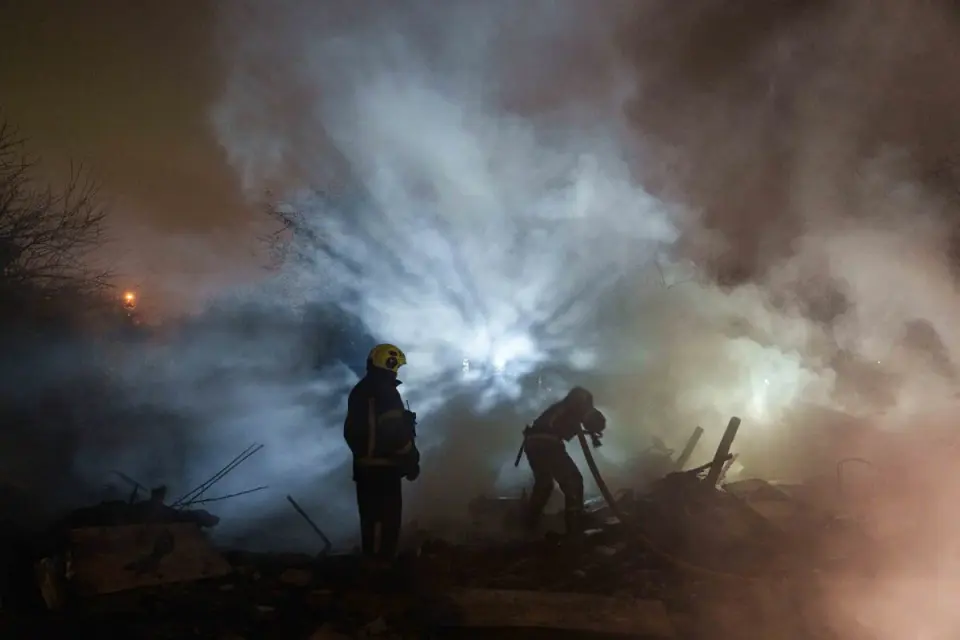
Russia launched a massive missile barrage against Kyiv and other Ukrainian cities hours after President Vladimir Putin agreed in principle to resume three-way peace negotiations with the US and Ukraine. The attack killed at least four people and wounded dozens, including children, while Moscow claimed its air defenses intercepted over 800 Ukrainian drones. Ukrainian President Volodymyr Zelenskyy condemned the strikes as evidence that Russia is not genuinely seeking peace, noting that the attacks target energy infrastructure ahead of winter. Meanwhile, US envoy Steve Witkoff reported 'new momentum' toward peace after meeting Putin, though no specific date has been set for the talks, which are expected to begin after November 10.
Key points
- Russia fired 21 ballistic missiles at Kyiv in three waves, hitting apartment buildings, energy facilities, a railway station, and the subway system, killing at least one person in the capital.
- The broader attack across 12 Ukrainian regions killed at least four people and wounded dozens, including five children, with two women killed in a strike on a market in Kharkiv region.
- Moscow's Defense Ministry reported intercepting 808 Ukrainian drones overnight, with 630 targeted at Moscow, causing temporary airport restrictions and two injuries.
- Putin agreed in principle to resume three-way negotiations with the US and Ukraine after meeting US envoy Steve Witkoff in St. Petersburg, but no date has been set; talks are expected to start after November 10.
- Zelenskyy stated that Russia has not changed its war tactics and is taking no steps to signal a desire to end the conflict, criticizing the lack of early warning from partners and the shortage of Patriot air-defense ammunition.
- Ukraine reported that Russia has launched 170 strikes on critical energy facilities since October 11, aiming to 'weaponize winter' by denying civilians heat and light.
Background
This escalation follows a period of intensified long-range strikes on both sides, including a record drone barrage by Ukraine on Moscow in September and Russian attacks on border infrastructure. In early October, Moscow warned diplomats of 'mortal danger' in Kyiv due to retaliatory strikes, and Ukraine has been developing countermeasures for high-speed Russian drones. The current strikes occur as the five-year anniversary of Russia's full-scale invasion approaches, with both sides continuing to target energy and logistics networks.
Why it matters
The timing of the missile strikes, occurring hours after Putin agreed to resume peace talks, highlights the deep disconnect between diplomatic rhetoric and military action on the ground. It underscores Zelenskyy's argument that Russia is not genuinely committed to ending the war, while also revealing the fragility of the US-mediated peace process. The targeting of energy infrastructure ahead of winter threatens to cause severe humanitarian consequences for Ukrainian civilians, potentially undermining any diplomatic progress and testing the limits of Western support for Ukraine.
What to watch
The three-way negotiations between Russia, Ukraine, and the US are expected to begin sometime after November 10, though no specific date has been set. Ukraine is likely to continue pressing for more Patriot air-defense ammunition and additional sanctions on Russia, while Russia may continue its 'weaponizing winter' campaign to pressure Kyiv. The outcome of the talks will depend on whether Russia follows through on its agreement to resume negotiations or continues its military escalation.
Want the full story? Read the original reporting
Read on AP News