
Putin delays mobilization until after Duma elections to preserve domestic support
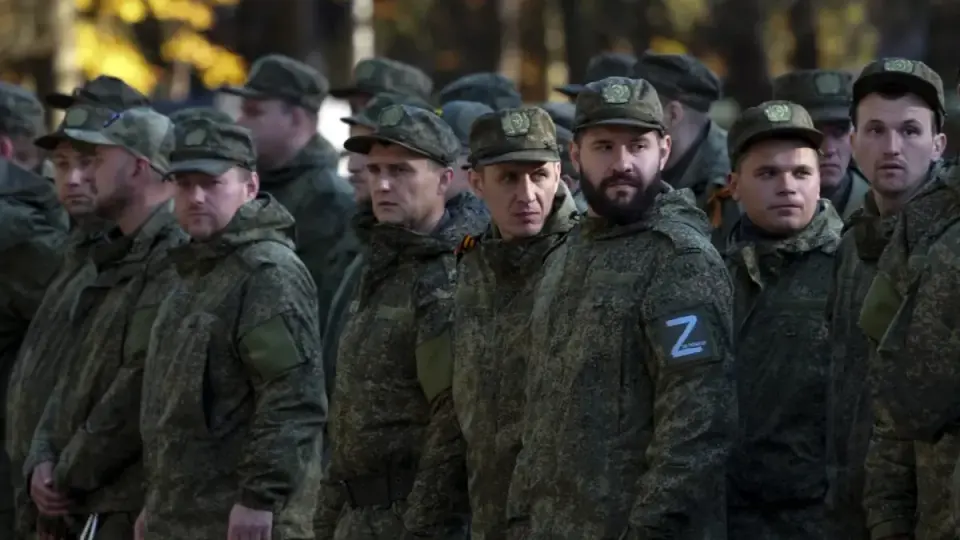
Vladimir Putin has denied imminent mass mobilization, but analysts suggest he may wait until after the September 18-20 Duma elections to avoid undermining his war support. Russia is currently using quieter recruitment methods, including targeting rural populations and foreigners, while Ukrainian strikes on oil refineries have caused fuel shortages that could exacerbate public discontent if formal mobilization begins.
Key points
- Putin stated on September 3 that there is no scenario requiring mobilization 'as of today,' a phrasing that leaves the door open for action after the upcoming parliamentary elections.
- The first Duma elections since the 2022 invasion are scheduled for September 18-20, with United Russia expected to win uncontested after anti-war parties were banned.
- Russia has avoided formal mobilization since 2022 by recruiting from prisons, rural areas, and foreign nationals, while gradually reducing exemptions for citizens.
- Ukrainian strikes on Russian oil infrastructure have led to petrol shortages and business losses, creating a volatile environment for any new military conscription efforts.
- European intelligence services warn of potential escalation, though full-scale mobilization remains a calculated risk for the Kremlin due to potential public backlash.
Background
Recent months have seen increased tensions, including CIA warnings about potential nuclear escalation and NATO concerns over hybrid attacks in Europe. U.S. envoys recently met with Putin to revive peace talks, but fighting continues with significant drone and missile barrages. Previous coverage noted that Russia’s fuel shortages and diplomatic pauses have not halted the war, with Moscow maintaining a posture of indefinite conflict.
How outlets are covering it
The i Paper emphasizes the domestic political calculus, arguing that Putin will likely delay mobilization until after the Duma elections to prevent a resurgence of public dissent that could undermine the narrative of war support. Le Monde focuses on the rhetorical strategy, noting that Putin’s denial of mobilization is timed to reassure voters ahead of the September vote, which is described as a tool to rally support rather than a genuine democratic process. Both outlets agree that while formal mobilization is not immediate, Russia is tightening recruitment through non-formal means and reducing exemptions, suggesting a gradual escalation rather than a sudden shift.
Why it matters
The timing of potential mobilization affects both the intensity of the war in Ukraine and internal stability in Russia. If mobilization occurs after the elections, it could trigger a new wave of emigration and economic disruption, while the current quiet recruitment strategy aims to sustain military manpower without provoking widespread public opposition. This dynamic influences NATO’s assessment of Russian capabilities and the likelihood of broader European escalation.
What to watch
Analysts expect Russia to monitor public sentiment closely in the weeks following the Duma elections. If support remains stable, the Kremlin may proceed with expanded recruitment or formal mobilization. Conversely, if fuel shortages and economic strain intensify, Moscow may continue to rely on foreign troops and quiet conscription to avoid domestic unrest. Western intelligence will continue to track Russian military movements and recruitment efforts for signs of escalation.
- Putin’s next gamble could be devastating for Russia The i Paper
- Putin Denies a Draft Is Coming, but Some Russian Men Are Taking No Chances The New York Times
- Russia may force more men to fight in Ukraine as military faces heavy losses PBS
- Putin, war leader and election campaign chief, prepares Russia for military escalation Le Monde.fr
- Putin denies fresh mobilization campaign in Ukraine war dw.com
Want the full story? Read the original reporting
Read on The i Paper