
Coercive Recruitment and Mobilization Fears Grip Russia as War Attrition Deepens
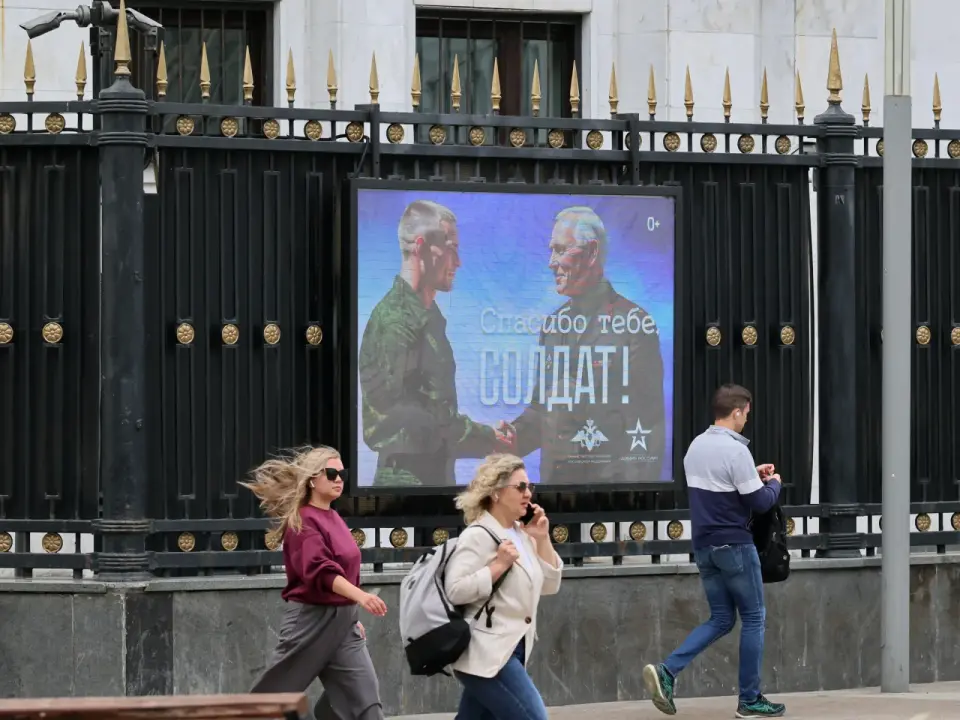
Russian authorities are facing a recruitment crisis, leading to reports of coercive tactics against civilians to fill military quotas. While the Kremlin denies plans for a new mass mobilization, human rights groups document a surge in forced enlistments, particularly in the Penza region. These tactics include street detentions, drug planting, and targeting vulnerable individuals, driven by dwindling voluntary contract sign-ups and high casualty rates.
Key points
- The human rights project Idite Lesom reported 14 cases of forced enlistment between August 10 and 18, marking a peak in coercive recruitment since July.
- In the Penza region, men have been abducted from streets, homes, and police stations under false pretexts, with some victims later confirmed killed in combat.
- Voluntary military contract sign-ups have halved by late 2025, forcing recruiters to target vulnerable groups such as debtors, migrants, and those with mental health issues.
- The Kremlin denies mobilization plans, but Ukrainian officials and Western intelligence suggest preparations are underway, potentially following the State Duma elections.
- Russia is losing approximately 30,000 personnel monthly, outpacing the 27,000 new recruits, creating a critical shortage of trained soldiers.
Background
This escalation follows a period of economic instability, where Russians withdrew billions from banks in 2026 due to fears of asset seizure to fund the war. The current recruitment crisis is part of a broader pattern of military strain, where Russia’s reliance on mass manpower and short training periods has led to high casualty rates and a lack of tactical innovation, as noted in earlier analyses of its WWII-era military culture.
How outlets are covering it
Al Jazeera and Meduza highlight the human toll, detailing specific coercive methods like planting drugs on detainees and targeting the vulnerable. Euronews and The Moscow Times emphasize the systemic nature of the issue, noting that while the Kremlin denies mobilization, the tactics mirror the 2022 partial mobilization. The International Crisis Group offers a more measured view, suggesting the Penza incidents may be isolated quota-driven efforts rather than a nationwide mobilization, though acknowledging the long-term risk if the war continues. All sources agree that voluntary recruitment is failing, forcing the state to rely on coercion and financial incentives.
Why it matters
The shift to coercive recruitment signals a deepening crisis in Russia’s military manpower and public trust. It indicates that the state is willing to violate civil liberties to sustain its war effort, potentially leading to further social unrest and economic instability. For the conflict, it suggests that Russia may be preparing for a more aggressive phase, despite current denials, as it struggles to replace its high casualty rates with trained personnel.
What to watch
Watch for potential mobilization announcements or further escalation in coercive recruitment tactics across Russia. Monitor the impact of the Unified Register of Military Records on emigration, as it may restrict the ability of men to flee. Also, track any official responses from the Kremlin to the reports of forced enlistment, as well as any changes in Russian military strategy or casualty rates.
- Russia mobilisation fears grow amid reports of intimidating tactics Al Jazeera
- Mobilisation fears grip Russians as Moscow's forced recruitment spikes Euronews.com
- Anti-War NGO Reports Rise in Forced Enlistments Across Russia The Moscow Times
- How men in one Russian region are being abducted and sent to war Meduza — Новости
- “Meat, where are you going?” Astra Press
Want the full story? Read the original reporting
Read on Al Jazeera