
Russia’s Return to G20 Finance Talks in Bangkok Deepens US-Europe Rift
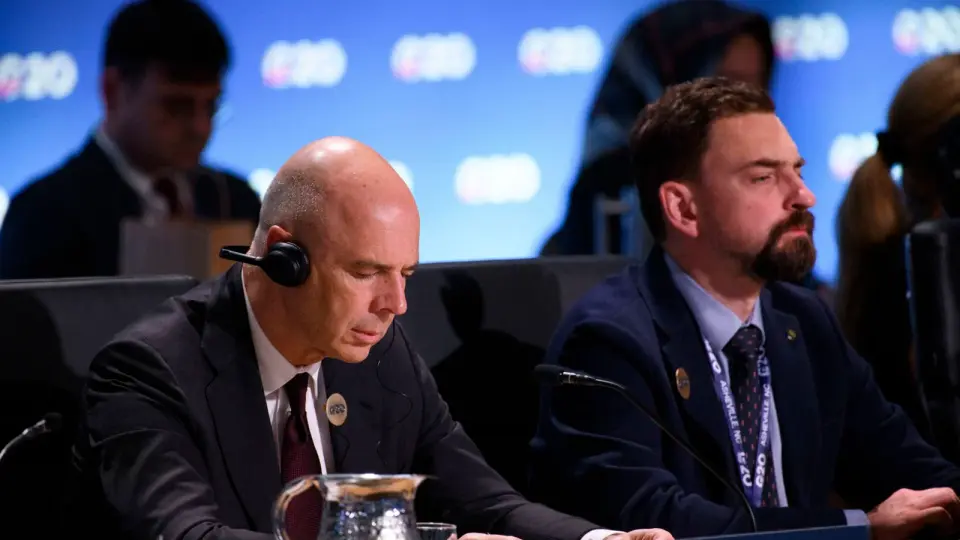
Russian finance minister Anton Siluanov attended the G20 finance meeting in Bangkok, marking his second in-person appearance since the 2022 invasion of Ukraine. The US invited Russia back to the talks, a move that angered European allies who argue it normalizes Moscow’s status while the war continues. The meeting ended without a joint communique due to deep divisions over Ukraine, trade imbalances, and the Middle East conflict.
Key points
- Siluanov and Bank of Russia Deputy Governor Elizaveta Danilova attended the G20 finance meeting in Bangkok on October 15, seated between South Korea and the UAE.
- German Finance Minister Lars Klingbeil attended the meeting but refused to pose for a group photo with Siluanov, reiterating that Europe will not treat Russia as a normal member while the war continues.
- The G20 finance chiefs ended the meeting without a joint communique, citing disagreements over the Ukraine war, trade imbalances, and the Middle East conflict.
- The US administration has invited Russian President Vladimir Putin to the December G20 summit in Miami, a move criticized by European leaders and Ukrainian President Volodymyr Zelenskyy.
- The US temporarily lifted sanctions on Russian diesel imports until April, drawing criticism from European officials who argue sanctions should not be eased during the conflict.
Background
In late September 2026, the US invited Putin to the December G20 summit in Miami, marking a potential return to multilateral diplomacy for Moscow. This move followed a failed August 2025 Alaska meeting and a recent phone call that yielded no peace breakthrough. European allies and a bipartisan group of 14 US senators criticized the invitation, arguing it legitimizes Russian aggression and undermines pressure for a ceasefire in Ukraine.
How outlets are covering it
CNBC emphasizes the US-Europe rift over Russia’s return to the G20, highlighting Klingbeil’s refusal to pose for a group photo and the lack of a joint communique. Firstpost focuses on the broader diplomatic implications, including the US invitation to Putin for the December summit and the temporary lifting of diesel sanctions. Both outlets agree that the US is seeking to re-engage Russia, but Firstpost places more emphasis on the potential for direct engagement between Putin and Trump, while CNBC highlights the immediate friction between US and European officials at the Bangkok meeting.
Why it matters
The return of Russia to the G20 finance talks signals a shift in US foreign policy toward Moscow, potentially weakening the unified Western stance against Russian aggression. The lack of a joint communique and the ongoing disputes over sanctions and the Ukraine war highlight the deepening divisions within the G20 and the transatlantic alliance, which could impact future global economic coordination and diplomatic efforts to resolve the conflict.
What to watch
The December G20 summit in Miami will be the next major test of US-Europe relations, with the potential for Putin to attend and engage directly with Trump and other world leaders. European leaders are expected to continue opposing any normalization of Russia’s status without progress toward ending the war in Ukraine. The outcome of the summit could influence future sanctions policies and diplomatic efforts to resolve the conflict.
- Russia returns to G20 table in Bangkok on U.S. invitation that angers Europe CNBC
- Germany warns against bringing Russia back into G20 fold Reuters
- Germany Slams US Move to Bring Russia Back to the Global Stage Bloomberg
- Germany sees no major cut in US aid to Ukraine despite Trump remarks Yahoo
- Russia returns to G20 table as Europe pushes back against Trump’s Moscow outreach Firstpost
Want the full story? Read the original reporting
Read on CNBC