
Sanctioned Russian Ship Delivers Military Hardware to Mali via Togo
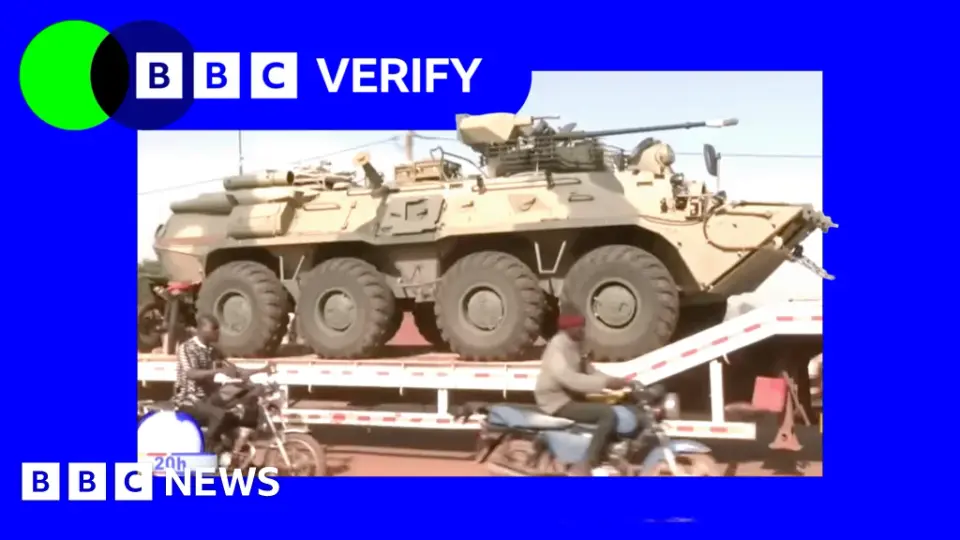
A US-sanctioned Russian cargo ship, the Mikhail Britnev, delivered approximately 50 military vehicles to Mali via the port of Lomé in Togo. The convoy, which included armored personnel carriers and trucks, arrived in Bamako on July 25 after transiting through Burkina Faso. This shipment marks the first use of Togo as a maritime logistics hub for Russia’s Africa Corps, diversifying Moscow’s supply routes beyond Guinea. The delivery aims to bolster the Malian junta against rebel advances by JNIM and Tuareg separatists, despite recent battlefield setbacks.
Key points
- The Mikhail Britnev departed Russia’s Baltiysk port on June 18, passing through the English Channel with naval escort before docking in Lomé, Togo, on July 9.
- The vessel carried around 50 vehicles, including BMP-2 and BMP-3 infantry fighting vehicles, BTR-82A armored personnel carriers, Tigr-M MRAPs, and general-purpose trucks.
- The convoy traveled over 1,144 miles from Lomé to Bamako, crossing Togo and Burkina Faso, arriving on July 25.
- This is the first Russian military maritime shipment to Togo, breaking the previous monopoly of Conakry, Guinea, as the sole West African entry point for such arms.
- The shipment occurs amid significant rebel gains in northern Mali by JNIM and Tuareg groups, prompting increased Russian support for the local junta.
Background
Russia has supported Mali’s military government since French forces withdrew in 2022, replacing Wagner with the Africa Corps. While Conakry, Guinea, had been the primary port for Russian arms shipments to the Sahel since 2025, Togo’s deep-water port offers a new route. Togo and Russia signed a military cooperation agreement in late 2025, and Africa Corps personnel have been deployed to Togo since early 2026. This development follows earlier US discussions regarding potential strikes against JNIM in Mali.
How outlets are covering it
BBC Verify and Critical Threats confirm the shipment’s details, noting the vessel’s evasion of tracking systems and the strategic importance of diversifying logistics. Critical Threats emphasizes the political dimension, linking the move to Togolese President Faure Gnassingbé’s efforts to insulate his regime and contain JNIM in northern Togo. Modern Ghana frames the event as a shift in great-power competition in the Gulf of Guinea, highlighting Russia’s ambition to establish a permanent rail and pipeline corridor from Lomé to the Sahel. While BBC focuses on the immediate military impact on the Malian conflict, Critical Threats and Modern Ghana analyze the broader geopolitical implications for West African security and Russian influence.
Why it matters
The successful delivery of military hardware via Togo demonstrates Russia’s ability to circumvent Western sanctions and logistical constraints in West Africa. It strengthens the Malian junta’s capacity to counter rebel advances, potentially prolonging the conflict. Furthermore, it signals a deepening security partnership between Moscow and Lomé, challenging Western influence in the Gulf of Guinea and creating a new axis of Russian military presence in the region.
What to watch
Analysts expect the new shipment to help Malian and Russian forces build up strength for potential offensives into rebel-held areas. Russia may continue to use Togo as a primary logistics hub, potentially expanding infrastructure such as railways and pipelines. Western powers, including France and the US, are likely to monitor and potentially counter this growing Russian presence in West Africa’s coastal waters.
- Russian ship defies sanctions to send military vehicles to Mali BBC
- Russia Operationalizes Military Presence In Togo; Saf Seizes Key Central Sudan Supply Line; Congolese National Dialogue Takes Shape: Africa File, July 30, 2026 Critical Threats
- Russia Opens New Sea Route to Supply Africa Corps in Mali Военное дело
- Moscow's Gulf of Guinea Gambit: How Togo Became Russia's New Atlantic Foothold Modern Ghana
- Africa’s New War Corridors: Russia, Sudan, DRC debuglies.com
Want the full story? Read the original reporting
Read on BBC