
Saudi Arabia Halts East-West Pipeline Operations After Drone Strike Originating in Iraq
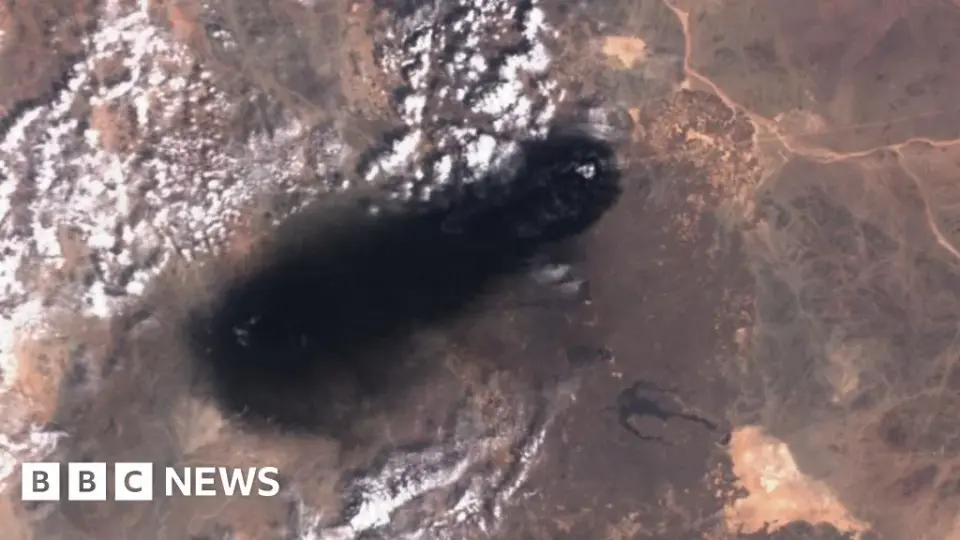
Saudi Arabia has suspended operations on its critical East-West oil pipeline following a drone attack launched from Iraq. The kingdom stated it would support Iraqi efforts to prevent such strikes while reserving the right to defend its sovereignty. Iraqi authorities removed the military commander in Maysan governorate, the region where the attack originated. The Gulf Cooperation Council condemned the incident as a dangerous escalation, coinciding with recent Houthi advances in Yemen that threaten Red Sea shipping routes.
Key points
- Saudi Arabia halted the East-West pipeline after a drone strike caused damage and injuries, citing the need to safeguard security and citizens.
- Riyadh stated it would support the Iraqi government in preventing attacks launched from its territory against neighboring states.
- The Saudi government reserved the right to take necessary measures to protect its sovereignty, facilities, and residents.
- Iraqi officials confirmed the attack originated in Maysan governorate, which borders Iran, leading to the dismissal of the local operations commander.
- The Gulf Cooperation Council condemned the strike as a violation of international law and a threat to Saudi territorial integrity.
- Recent Houthi gains in Yemen, including control of the Bab al-Mandab Strait, have heightened regional tensions regarding oil shipping routes.
Background
This incident follows a series of attacks on Saudi infrastructure in September 2026, including a previous drone strike on the same pipeline that prompted a precautionary shutdown. Earlier in the year, Saudi Arabia had engaged in limited strikes in eastern Iraq in response to Iran-linked aggression, balancing the need for security with diplomatic restraint. The current event occurs amid broader regional volatility, where Houthi militants have expanded their control in Yemen, potentially impacting global oil exports routed through the Red Sea.
Why it matters
The shutdown of the East-West pipeline disrupts a key route for Saudi crude exports, potentially affecting global oil supply and prices. The incident highlights the vulnerability of critical energy infrastructure to cross-border attacks and tests the stability of Saudi-Iraqi relations. It also underscores the escalating risks posed by non-state actors and proxy conflicts in the Gulf region, which could lead to further escalation if security measures fail to deter future strikes.
What to watch
Saudi Arabia will likely continue to monitor security threats while engaging with Iraqi authorities to ensure the removal of the responsible commander leads to tangible results. The kingdom may reassess its defensive posture if further attacks occur, potentially leading to more direct measures against sources of aggression. The situation in Yemen will also be watched closely, as Houthi control of the Bab al-Mandab Strait could force further rerouting of oil shipments and increase geopolitical tensions in the Red Sea.
Want the full story? Read the original reporting
Read on BBC