Tag

Gcc

All articles tagged with #gcc

Iran ups the Gulf pressure as US-led response widens regional stakes
world11 days ago

Iran ups the Gulf pressure as US-led response widens regional stakes

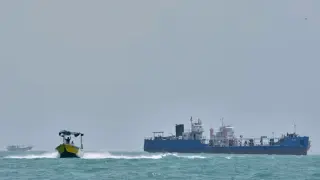
Iran continues its campaign to deter the United States from challenging its control of the Strait of Hormuz, with a June 27 drone strike on the tanker M/T Kiku and June 28 drone and missile attacks on US bases in Bahrain and Kuwait, followed by US strikes on Iranian surveillance, communications, air-defense and mine-laying facilities. Tehran reiterates sovereignty over the strait amid GCC opposition to tolls, while regional moves include Israeli-Lebanese security pilot zones and Hezbollah threats; in Iraq, US pressure spurs discussions of disarming militias and tightening anti-money-laundering controls. ISW-CTP argue Tehran seeks recognized strait control and may leverage it to influence nuclear talks.

Iran Weighs Force and Diplomacy Over Strait of Hormuz as Gulf Bloc Pushes Back
world14 days ago

Iran Weighs Force and Diplomacy Over Strait of Hormuz as Gulf Bloc Pushes Back

Analysts say Iran is using near-term force to press for control of the Strait of Hormuz while seeking long-term recognition from Gulf states, with CENTCOM striking Iranian missile/drone storage sites and coastal radars after a drone attack on a merchant vessel. Tehran’s diplomatic efforts appear faltering and its rhetoric toward Gulf states has hardened. Separately, Israel and Lebanon signed a US-brokered framework for eventual withdrawal, with the Lebanese Army backing two IDF positions and US advisers overseeing the process; clashes between IDF and Hezbollah continue in southern Lebanon. No substantive new developments in US-Iran negotiations or broader maritime activity beyond the Hormuz dynamic.

Iran rejects US-GCC security rhetoric, calls for regional autonomy
world15 days ago

Iran rejects US-GCC security rhetoric, calls for regional autonomy

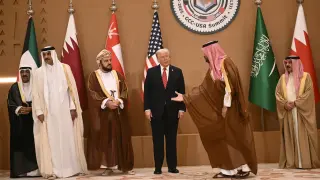
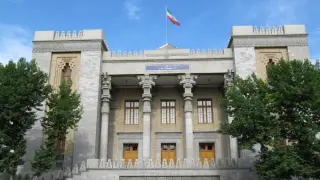
Iran's Foreign Ministry denounces the US-GCC joint statement as meddlesome and provocative, rejects Washington's security guarantees for Gulf states, and accuses the United States of using Gulf bases to attack Iran. It says Gulf countries must prevent third parties from using their soil, emphasizes Tehran's retaliation against the attacks, demands compensation from five Arab states that enabled the operation, rejects labeling Palestinian/Lebanese groups as Iranian proxies, and calls for regional security through mutual cooperation and its West Asia nuclear-free initiative, while warning about Hormuz shipping and noting a June 18 MoU that allegedly ended hostilities.

Iran Pushes for Hormuz Control as Shipping Tensions Escalate
world15 days ago

Iran Pushes for Hormuz Control as Shipping Tensions Escalate

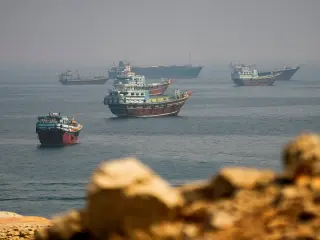
ISW and CTP report Iran is escalating attempts to control the Strait of Hormuz through attacks and warnings to ships, including an IRGC Navy strike near Oman, pressuring vessels to use Iran’s traffic scheme and aiming to undermine international safe-passage efforts. The United States and GCC issued a joint statement rejecting tolls or any control of the strait, while Gulf states resist Iranian incentives such as proposed fees that could generate tens of billions annually. The IMO-Oman safe-route initiative challenges Iran’s leverage, and most ships have continued to use alternative routes. Diplomatic channels with Oman and broader US–Iran talks continue, with no clear concessions from Gulf states yet.,”

Qatar Emerges as Winner in Fragile US-Iran Accord
explainer25 days ago

Qatar Emerges as Winner in Fragile US-Iran Accord

The US-Iran memorandum is portrayed as a short-lived, thin accord that could temporarily lift the naval blockade and permit limited Iranian oil sales, but most major issues—nuclear goals, Iran’s support for militias, and missile programs—are left unresolved. Qatar emerges as the big winner for its sustained mediation, while GCC states align cautiously; Lebanon and Hezbollah could reap gains as a byproduct, complicating Israel’s position and signaling that the region may not see lasting peace once the two-month window closes.

Gulf Rejects the Myth of a Controllable Tehran
opinion1 month ago

Gulf Rejects the Myth of a Controllable Tehran

An opinion piece argues the Gulf can no longer treat Tehran’s threat as manageable; Tehran’s missiles, economic pressure, and actions around the Strait of Hormuz demonstrate an existential challenge, prompting a shift from passive diplomacy toward active alignment with the Iranian people, Israel, and the United States to counter Tehran and safeguard regional prosperity.

Blockade Backfires: The Iran Strait Gamble Undermines Trump's Exit
middle-east2 months ago

Blockade Backfires: The Iran Strait Gamble Undermines Trump's Exit

An analysis argues that Trump’s push for a swift exit from the Iran conflict via a Hormuz blockade—advised by hawkish groups like the FDD—backfired: it failed to deliver sanctions relief or a decisive Iranian capitulation, instead lifting global oil prices, narrowing diplomatic options, and preserving Iran’s leverage over the Strait of Hormuz.

GCC at a Crossroads: War Risks, Economic Strains, and Iran
middle-east3 months ago

GCC at a Crossroads: War Risks, Economic Strains, and Iran

GCC states have largely avoided joining the Iran war despite being heavily targeted, weighing the risk of escalation against economic vulnerabilities, labor dependence, and regional security shifts. While the U.S. and Israel push for Gulf involvement, internal tensions, shifting security alignments, and the cost to oil-dependent economies are keeping Gulf rulers cautious, with possibilities of new security pacts or closer Israel ties still on the table.

UN Security Council Weighs Two Draft Resolutions in Rising Middle East Crisis
world4 months ago

UN Security Council Weighs Two Draft Resolutions in Rising Middle East Crisis

The UN Security Council prepared votes on two draft resolutions addressing the Middle East crisis triggered by US-Israeli strikes on Iran: Bahrain-led text on behalf of the GCC and Jordan condemns Iran and calls for de-escalation, including guarantees for navigation through the Strait of Hormuz, while a shorter Russian draft urges restraint and negotiations without naming states. Bahrain’s draft drew broad co-sponsorship; after consultations it proceeded in blue. Post-script: on 11 March, Bahrain‑led resolution was adopted 13 in favour with 2 abstentions (China and Russia) and wide support (135 co-sponsors); Russia’s draft failed to reach the nine votes needed for adoption (4 in favour, 2 against, 9 abstentions).

Desalination Under Fire: Gulf Water Security on the Brink
middle-east4 months ago

Desalination Under Fire: Gulf Water Security on the Brink

Bahrain says an Iranian drone damaged a Gulf desalination plant—the first reported attack in the region during the current conflict—while Iran accuses the US of hitting a plant on Qeshm Island, highlighting the Gulf’s heavy reliance on desalinated water. GCC states account for a large share of global desalination capacity, making outages potentially severe for drinking water and agriculture; experts urge regional coordination, diversified and distributed desalination, and shared water reserves to bolster resilience amid ongoing tensions.

Iran expands attack, pulling Gulf states into a broader regional crisis
world4 months ago

Iran expands attack, pulling Gulf states into a broader regional crisis

Iran’s wider missile and drone strikes against Gulf Cooperation Council states target civilian infrastructure such as airports, ports and hotels in retaliation for U.S.-led operations, signaling an effort to widen the conflict and pressure Washington. While Gulf defenses have largely repelled missiles and drones, the psychological impact on cities like Dubai, Abu Dhabi and Doha and disruption to air and sea travel highlight risks to global supply chains and Gulf economies, potentially forcing GCC nations to recalibrate their ties with Washington as the region braces for further escalation.

Iran's drone-missile blitz tests Gulf defenses
world4 months ago

Iran's drone-missile blitz tests Gulf defenses

In the wake of a joint Israel-U.S. attack, Iran unleashed hundreds of missiles and drones at GCC states and neighbors (Bahrain, Jordan, Kuwait, Iraq, Qatar, Saudi Arabia, and the UAE), pushing regional air defenses to the limit. Interceptions were reported across the region (the UAE said it intercepted 165 ballistic missiles, two cruise missiles, and 541 drones; other states logged numerous interceptions with some drone/missile damage), exposing vulnerabilities to saturation attacks. The moves have raised questions about deterrence and could push GCC states toward greater action or closer coordination with the U.S., potentially leading to counter-attacks on Iran.

Rival Gulf Visions Shake the Region: Saudi Restraint vs UAE Intervention
world5 months ago

Rival Gulf Visions Shake the Region: Saudi Restraint vs UAE Intervention

Saudi Arabia pursues de-escalatory development and border security to insulate its domestic agenda, while the UAE embraces pre-emptive activism to reshape a brittle regional order. The late-2025 Yemen crisis exposed a direct Saudi–Emirati split as UAE-backed forces briefly seized border provinces before Saudi-led forces reversed them, prompting Riyadh to accuse Abu Dhabi of undermining its leadership. The dispute threatens GCC cohesion, tests responses to Israel normalization, and reshapes security arrangements and external alignments, with policymakers needing to manage competing risk tolerances rather than assuming convergence.