
Saudi Strikes on Yemen Oil Depots Trigger Houthi Threats to Aramco and Riyadh Airport
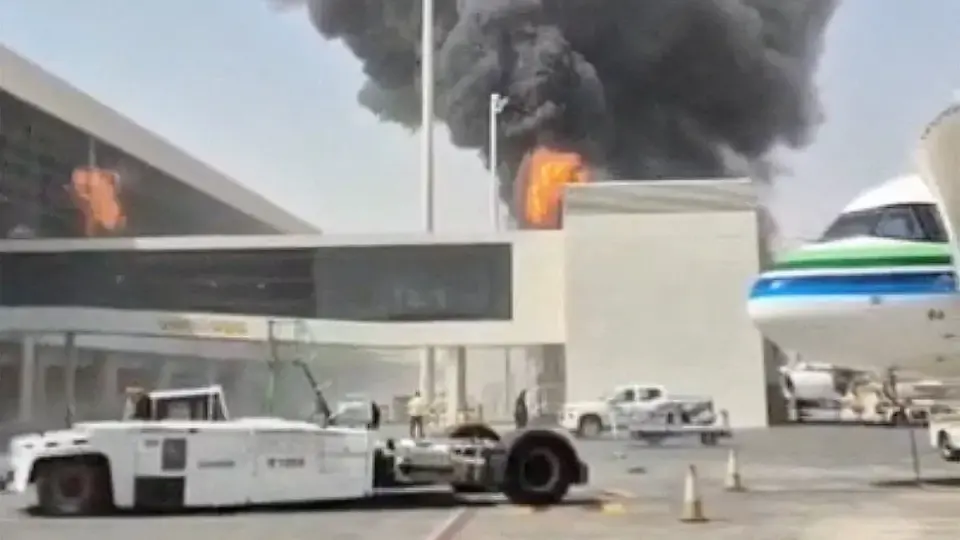
Saudi-led coalition forces struck oil infrastructure in Sanaa and Hodeidah, prompting Houthi leaders to declare Aramco facilities and Riyadh’s King Khalid International Airport as legitimate targets. This escalation follows a deadly weekend attack on the Riyadh airport that killed 13 people. While Saudi Arabia maintains air dominance, analysts note Houthi drones are becoming harder to intercept, raising fears of sustained retaliation against Saudi energy hubs.
Key points
- Saudi coalition forces struck the al-Sabah central oil station in Sanaa and storage tanks at the Ras Isa port in Hodeidah on Tuesday.
- Houthi spokesman Yahya Saree warned civilians to evacuate Aramco headquarters in Dammam, King Khalid International Airport, and a refinery in Riyadh, labeling them legitimate targets.
- The strikes followed a Saturday attack on King Khalid International Airport that killed 13 people and injured over 300, leading to widespread flight suspensions by major airlines.
- Saudi Arabia intercepted three drones north of Riyadh on Tuesday, while the Yemeni government launched nine air strikes in Taiz governorate against Houthi positions.
- UN data indicates at least 46 civilians have been killed and over 200,000 displaced in Yemen since September, with ICRC president Mirjana Spoljaric calling for de-escalation.
Background
This escalation follows a series of Houthi attacks on Saudi airports and Aramco facilities in September and early October, including a strike on the Jizan refinery. The current phase began after Houthis seized strategic territory along the Bab al-Mandeb strait in September, prompting the Saudi-backed 'Dawn of Yemen' counteroffensive.
How outlets are covering it
Al Jazeera and The Guardian both confirm the Saudi strikes on Sanaa and Hodeidah, but The Guardian emphasizes the asymmetry in the conflict, noting Saudi air dominance versus Houthi reliance on cheaper, harder-to-detect drones. AP News focuses on the broader regional context, including potential Iranian targeting of oil transfers, while Al Jazeera highlights the immediate threat to Aramco. The Guardian also notes the role of the Southern Transitional Council in the conflict, a detail omitted by the other sources.
Why it matters
The targeting of Aramco facilities and major airports threatens Saudi Arabia’s economic stability and global energy supply chains. The escalation risks drawing in other regional powers and could disrupt oil markets, as seen when Brent crude neared $97.40 per barrel in September. The humanitarian crisis in Yemen is also worsening, with significant civilian casualties and displacement.
What to watch
Houthi leaders have warned of 'harsh and painful' reprisals if Saudi strikes continue, but no attacks have been launched yet. Saudi Arabia is expected to continue its 'Dawn of Yemen' counteroffensive, while international airlines may maintain suspensions of flights to the region. The US may pressure Turkey to intervene, according to President Trump, but no new military action has been announced.
- Houthis threaten Saudi Arabia’s Aramco facilities and airports Al Jazeera
- Iran war live: Blasts heard in Sanaa as Houthis threaten ‘harsh’ response Al Jazeera
- Saudi Arabia strikes strategic oil depots near Yemen capital The Guardian
- Saudis tell Sanaa residents around oil facility to evacuate, and other Middle East developments AP News
- Houthis and Saudis strike each other in latest escalation DW.com
Want the full story? Read the original reporting
Read on Al Jazeera