
Second-Day Fire at Samara Hub Highlights Renewed Ukrainian Strikes on Russian Energy Grid
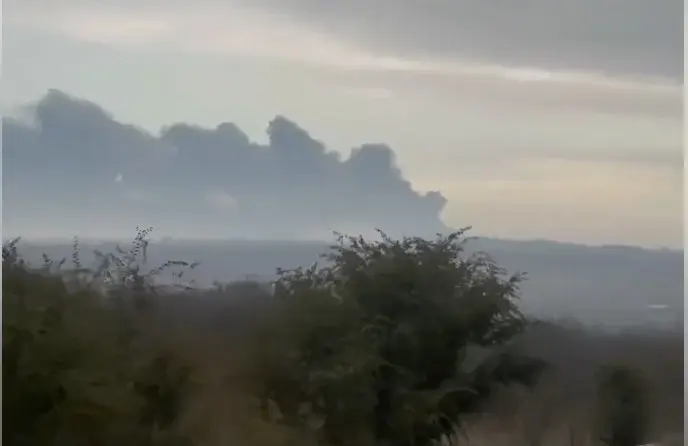
A fire burned for a second day at the Samara Linear Production and Dispatch Station (LPDS) following a Ukrainian drone strike on November 2. The facility, a critical junction for Russian oil exports and Kazakh crude, had already suffered significant damage in October. This attack coincides with a broader wave of strikes on Russian refineries, including the Slavneft-Yanos plant in Yaroslavl, which triggered power outages in Crimea. President Zelenskyy has publicly rejected US calls to halt refinery strikes, arguing that Ukraine must respond to Russian attacks on its own energy grid.
Key points
- The Samara LPDS, a major Transneft facility holding 1.6 million cubic meters of crude, was struck on November 2, causing a fire that persisted into the second day.
- The facility connects pipelines from Western Siberia, Tatarstan, and Kazakhstan, and is crucial for producing the Urals export blend, which accounts for up to half of Russian oil exports.
- Kazakhstan temporarily suspended oil flows through the Atyrau-Samara pipeline after the strike but resumed operations on November 3 after technical inspections.
- Ukrainian drones also hit the Slavneft-Yanos refinery in Yaroslavl on November 3, injuring two workers and causing power cuts in five Crimean cities.
- Zelenskyy told Fox News that Ukraine will continue targeting Russian oil facilities unless Russia ceases attacks on Ukrainian energy infrastructure, defying previous US requests to pause such strikes.
Background
This latest incident follows a pattern of escalating Ukrainian strikes on Russian energy infrastructure throughout 2026. In October, Ukrainian forces damaged multiple storage tanks at the Samara LPDS, including strikes on October 2, 7, 10, and 11. Earlier in the year, attacks on the Rostov oil terminal and Omsk chemical plants highlighted the reach of Ukrainian long-range drones. These actions have contributed to a fuel crisis in Russia, with gasoline and diesel prices rising 20% since early 2026, and have intensified diplomatic tensions between Washington and Kyiv over energy sanctions and ceasefire proposals.
How outlets are covering it
Kyiv Post emphasizes the strategic importance of the Samara LPDS as a hub for the Urals export blend and notes the temporary suspension of Kazakh oil flows. The outlet highlights that the strike was part of a renewed wave of attacks on refining and transportation infrastructure after a brief pause requested by the US. Fox News focuses on the diplomatic friction, reporting that Zelenskyy explicitly rejected Trump's calls to halt refinery strikes, arguing that Ukraine's response must be 'painful' to deter Russian attacks on its energy grid. The Moscow Times provides a broader view of the simultaneous strikes, detailing the damage to the Yaroslavl refinery and the resulting power outages in Crimea, while noting that Russia intercepted 856 drones in the same timeframe. While Kyiv Post and Fox News highlight the political dimension of the strikes, The Moscow Times focuses on the immediate operational impact on Russian energy and power systems.
Why it matters
The strikes on the Samara LPDS and other refineries threaten to disrupt Russia's oil export revenues and fuel supply chain, potentially affecting global energy markets. The diplomatic fallout, with Zelenskyy defying US pressure, complicates ongoing peace negotiations and highlights the deepening rift between Washington and Kyiv over the conduct of the war. Furthermore, the temporary suspension of Kazakh oil flows underscores the vulnerability of transit routes and the broader regional instability caused by the conflict.
What to watch
Analysts will monitor the extent of damage to the Samara LPDS and whether the fire leads to long-term disruptions in oil exports. The diplomatic relationship between the US and Ukraine may face further strain as Zelenskyy continues to prioritize military responses over diplomatic pauses. Additionally, the impact on Russian fuel prices and the stability of the power grid in Crimea will be key indicators of the effectiveness of Ukrainian strikes. Future peace talks in Abu Dhabi may include discussions on energy ceasefires, as proposed by Zelenskyy.
- Fire Rages for Second Day at Russia’s Key Oil Hub After Ukrainian Strike Kyiv Post
- Ukraine's Zelenskyy on defying US in attacking Russian oil: 'Our response must be painful' Fox News
- Drones Hit Russia’s Yanos Refinery as Ukraine Steps Up Strikes Bloomberg.com
- Exclusive | Ukraine Pauses Strikes on Russian Refineries After Pressure From U.S. WSJ
- Ukrainian Drones Hit Yaroslavl Oil Refinery, Trigger Power Outages in Crimea The Moscow Times
Want the full story? Read the original reporting
Read on Kyiv Post