
Trump scales back US-South Korea drills amid trade and Iran disputes
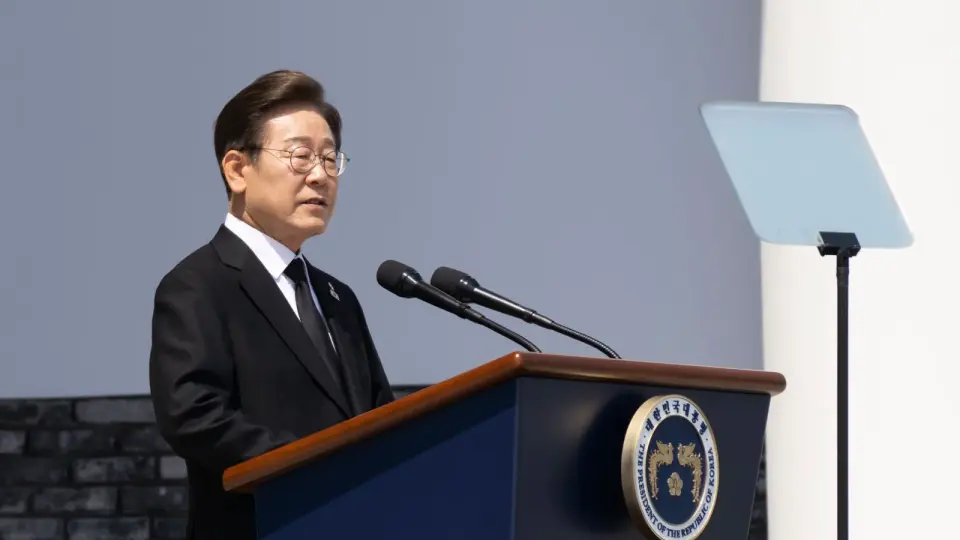
President Donald Trump ordered a significant reduction in joint military exercises with South Korea, citing Seoul’s refusal to assist in the US conflict with Iran and slow progress on a $350 billion investment pledge. While Seoul insists the drills are defensive, Washington views them as provocative toward North Korea and a symbol of an unbalanced alliance.
Key points
- Trump directed Defense Secretary Pete Hegseth to 'substantially reduce' the annual Ulchi Freedom Shield exercises, which involve 18,000 South Korean troops and 28,500 US personnel.
- The move follows Trump’s public complaint that President Lee Jae-myung declined to support US operations in Iran, despite Washington maintaining a large military presence in Seoul.
- US officials are frustrated by South Korea’s slow execution of a $350 billion investment pledge, with $200 billion of the total yet to be allocated to specific projects.
- South Korea maintains the exercises are defensive, while North Korea has denounced them as rehearsals for an aggressive war.
- The tension coincides with a potential withdrawal of 4,500 US troops from the region and ongoing disputes over trade tariffs and regulatory fines against US firms like Coupang.
Background
This escalation follows recent diplomatic efforts by President Lee to replace the Korean War armistice with a peace regime and ease tensions with Pyongyang. It also occurs amidst a severe heatwave in Seoul, which has strained domestic resources and highlighted the need for robust crisis management systems.
How outlets are covering it
CNBC emphasizes the defensive nature of the exercises and Lee’s call for peace, while Politico highlights the administration’s frustration over economic leverage and slow investment negotiations. The Times of India focuses on Trump’s personal grievance regarding Iran support and the financial burden of the alliance. All sources agree that the reduction in drills is a strategic tool to pressure Seoul and signal to Pyongyang.
Why it matters
The scaling back of joint drills could weaken deterrence against North Korea and signal a shift in US security commitments in the Indo-Pacific. It also underscores the growing entanglement of trade and security issues in US-ally relations, potentially affecting regional stability and global supply chains.
What to watch
Watch for potential announcements on new investment pledges from South Korea in late August or early September, as well as any further reductions in US troop levels or changes in the scope of the Ulchi Freedom Shield exercises.
- South Korea must brace for ‘worst-case scenario,’ President Lee says, as Trump cuts military drills cnbc.com
- Trump says North Korea's Kim has responded to his overtures Reuters
- ‘Not the way it works’: Korea’s miscalculation on trade may cost them on security Politico
- Facing Quagmire in Iran, Trump Turns to a Familiar Face: North Korea’s Kim Jong-un The New York Times
- '39,000 soldiers guarding you from Kim’: Trump reduces military drills with South Korea over Iran The Times of India
Want the full story? Read the original reporting
Read on cnbc.com