
Stubb Rejects 'Slavic History' Claim as Nordic Putin Call Sparks European Diplomatic Rift
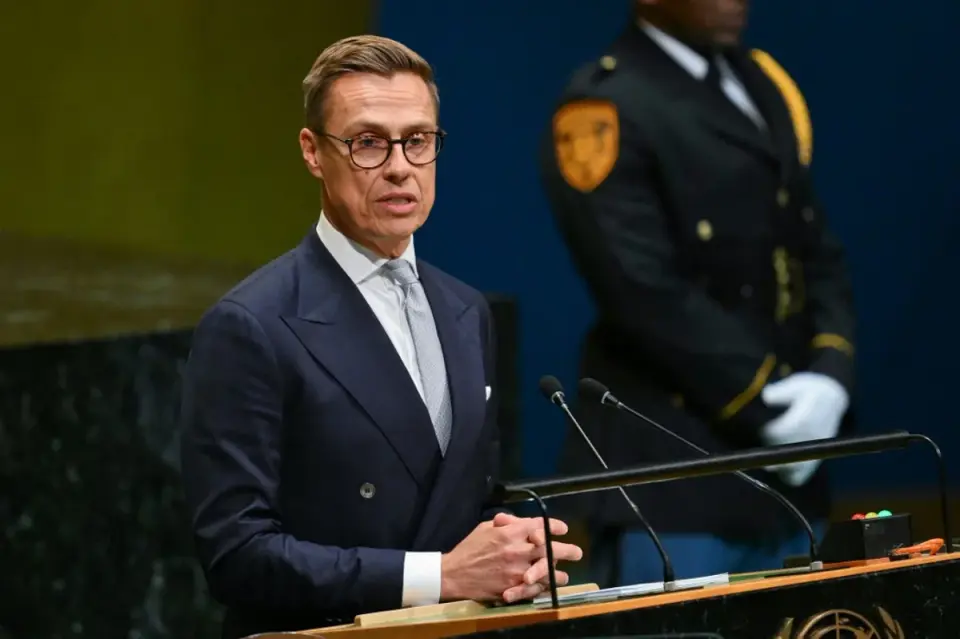
Finnish President Alexander Stubb and Norwegian Prime Minister Jonas Gahr Støre held a 90-minute phone call with Russian President Vladimir Putin on October 27, marking the first direct contact between Putin and Western European leaders since May. Stubb refuted Financial Times reports that Putin monopolized the conversation with a lecture on medieval Slavic history, asserting that speaking time was evenly distributed. The call, initiated at Ukraine's request, aimed to open a direct channel with Moscow ahead of trilateral peace talks in Abu Dhabi. While Stubb and Støre emphasized their support for Ukraine, the initiative triggered sharp criticism from Danish and Swedish leaders, who argued the uncoordinated outreach risks fracturing European unity. Simultaneously, a limited ceasefire began in the Russian-occupied city of Oleshky, though concerns remain regarding the treatment of evacuated Ukrainian residents.
Key points
- Stubb and Støre held a 90-minute call with Putin on Oct. 27, the first direct contact between Putin and Western European leaders since May.
- Stubb denied reports that Putin lectured on Slavic history, stating the conversation was 'frank and substantive' with evenly distributed speaking time.
- The call was initiated at Ukraine's request to ensure European perspectives were communicated directly to the Kremlin, not solely through third parties.
- Danish PM Mette Frederiksen and Swedish PM Ulf Kristersson criticized the initiative as uncoordinated, warning it could fracture European unity.
- A limited ceasefire began in Russian-occupied Oleshky on Oct. 27 to allow humanitarian aid and civilian evacuation, though the fate of residents remains unclear.
- Putin reiterated that 'root causes' of the war, including NATO expansion, must be resolved as preconditions for peace, demanding recognition of occupied territories.
Background
This diplomatic move follows a period of increasing tension between the US and European allies over Ukraine policy. In late September, Stubb urged Putin to negotiate, citing Ukraine's military resilience. On Oct. 23, Kyiv was struck by cluster munitions hours after US envoy Steve Witkoff praised Putin. The current call occurs amid stalled peace negotiations and a shift in US foreign policy under President Donald Trump, which has led some European leaders to seek direct channels with Moscow to avoid being sidelined in upcoming Abu Dhabi talks.
How outlets are covering it
Outlets diverge on the nature of the conversation. The Financial Times alleged Putin monopolized the call with a lecture on Slavic history, a claim Stubb explicitly refuted in an interview with Yle. The Institute for the Study of War (ISW) reported that Putin used the call to reiterate maximalist demands, including the recognition of occupied territories and NATO expansion as 'root causes.' The Guardian highlighted a 'mixed message' issue, noting that while Stubb and Støre framed the call as supporting Ukraine, Støre later cited shared security and fish stock concerns, leading analysts to question the clarity of the Nordic initiative. BBC reported that the call was not on behalf of 'Europe as a whole,' while The Guardian emphasized the resulting rift among Nordic neighbors, with Denmark and Sweden criticizing the lack of coordination. ISW noted that the call coincided with a limited ceasefire in Oleshky, which it described as the largest de-escalation since 2022, though it raised concerns about the coercive treatment of evacuated residents by Russian authorities.
Why it matters
The incident highlights a growing fracture within Europe over how to engage with Russia, as some leaders seek direct dialogue while others fear it will undermine unity and pressure on Moscow. The call sets the stage for upcoming trilateral talks in Abu Dhabi, where European leaders risk being sidelined if they cannot present a unified front. Furthermore, the debate over direct engagement reflects broader anxieties about US foreign policy shifts under President Trump, which have left European nations uncertain about the future of US support for Ukraine and the continent's security architecture.
What to watch
European leaders are expected to continue debating the efficacy of direct engagement with Moscow, with some calling for a single EU representative to negotiate with Putin. The limited ceasefire in Oleshky will be monitored for violations, and the treatment of evacuated Ukrainian residents will be a key issue in future negotiations. Upcoming trilateral peace talks in Abu Dhabi in November will test whether the Nordic initiative has opened a viable channel for diplomacy or merely exposed divisions within Europe. Putin has agreed to continue direct phone communication with Stubb and Støre, but his maximalist demands suggest little movement toward a ceasefire or peace agreement.
- Finland’s Stubb Rebuts Report on Putin Slavic History Lecture Kyiv Post
- Ukraine war latest: Oleshky evacuees cross border - and Zelenskyy says it's a lesson for the world Sky News
- Russian Offensive Campaign Assessment, October 27, 2026 Institute for the Study of War
- Norway and Finland hold rare call with Putin to discuss ending war BBC
- Pragmatic or pointless? Europe’s rift over whether to pick up the phone to Putin The Guardian
Want the full story? Read the original reporting
Read on Kyiv Post