
Israel Strikes Syrian Airbase Amid Dispute Over Turkish Military Cooperation
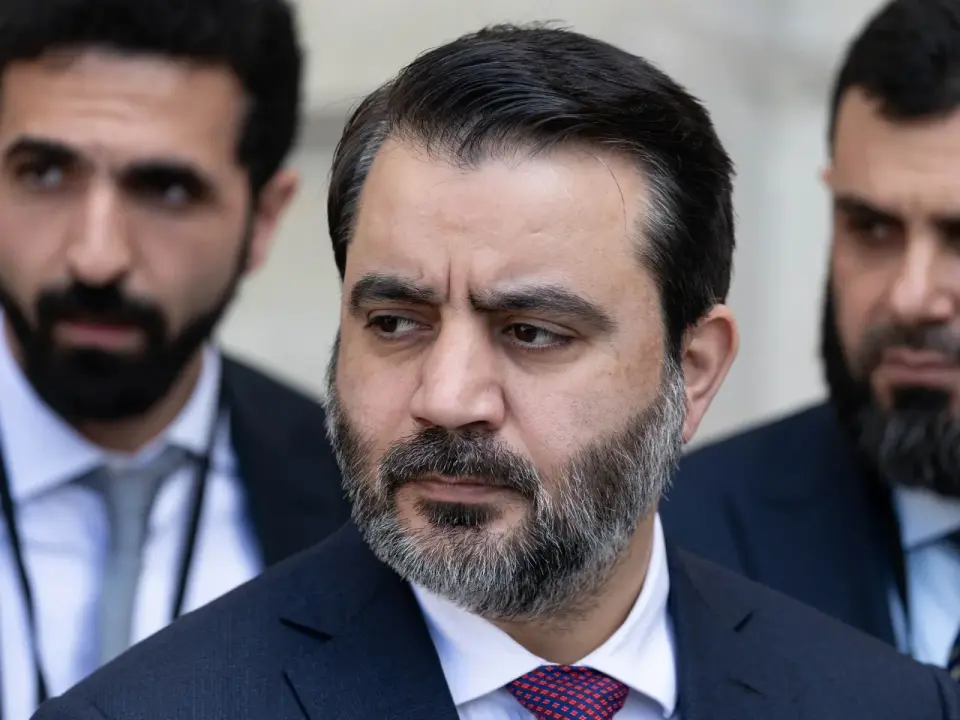
Israel conducted eight airstrikes on the Abu al-Duhur airbase in northern Syria, targeting runways and storage facilities. Syrian officials deny any permanent Turkish military presence, describing the site as largely empty and undergoing rehabilitation. The attack has intensified diplomatic tensions between Israel, Syria, and Turkey, with the US administration expressing concern over the escalation.
Key points
- Israel launched eight airstrikes on the Abu al-Duhur airbase near Aleppo, damaging runways and storage facilities without reported casualties.
- Syrian Foreign Minister Asaad al-Shaibani stated there were no plans for a permanent Turkish military presence, clarifying that Turkish visits were for training and cooperation.
- Israeli Prime Minister Benjamin Netanyahu claimed Israel warned Syria not to allow a Turkish presence at the base, calling the strike a necessary security measure.
- US envoy Tom Barrack condemned the strikes as an 'unnecessary escalation' that does not advance regional stability, while President Trump declined to comment directly.
- Turkey rejected Israeli allegations, stating no military delegation was present during the attack and calling for international measures against Israel's actions.
Background
This incident follows a period of shifting alliances in the region, including a recent memorandum of understanding between Syria and Russia to reorganize military footprints and Turkey's recent parliamentary approval of a PKK disarmament plan. The current tensions also occur against the backdrop of a failed US-mediated security agreement between Israel and Syria, which al-Shaibani noted had reached a formula on paper but was not implemented due to Israeli backing away from commitments.
How outlets are covering it
Outlets highlight divergent narratives regarding the strike's justification. Al Jazeera and Axios emphasize Syrian denials of a Turkish military buildup, with al-Shaibani asserting the base was largely empty and under rehabilitation. In contrast, Politico notes the US administration's internal friction, with envoy Barrack criticizing the strike while President Trump remained non-committal. The Jerusalem Post provides historical context, comparing the current Israel-Turkey-Syria dynamic to the previous Israel-Russia deconfliction mechanism in Syria, which ended after the 2024 regime change. All sources agree that the strike has heightened regional instability and strained relations among US partners in the region.
Why it matters
The strike signals a potential breakdown in the fragile post-2024 security architecture in Syria, threatening to escalate a broader regional conflict involving Israel, Turkey, and the US. It underscores the risks of unilateral military action in a region where diplomatic channels, such as the failed Israel-Syria security talks, have not yet stabilized the situation.
What to watch
Syria has expressed continued interest in de-escalation negotiations with Israel, though it insists that security concerns must be mutual. Turkey is expected to continue supporting Syria's military development, potentially leading to further diplomatic friction with Israel. The US may face increased pressure to mediate between its partners as the strike tests the limits of its regional influence.
- Syrian official says ‘no plans’ to establish Turkish military presence Al Jazeera
- Israel and Turkey step up warnings over Syria after airbase bombing Reuters
- Trump’s Syria envoy calls Israeli air strikes on base ‘unnecessary escalation’ Politico
- Syrian foreign minister to Axios: Israeli bombing of airbase was unjustified Axios
- Benjamin Netanyahu looks to Russia playbook to handle Turkey amid Syria tensions The Jerusalem Post
Want the full story? Read the original reporting
Read on Al Jazeera