
Tanker strikes in Strait of Hormuz rise as Iran enforces strict transit rules
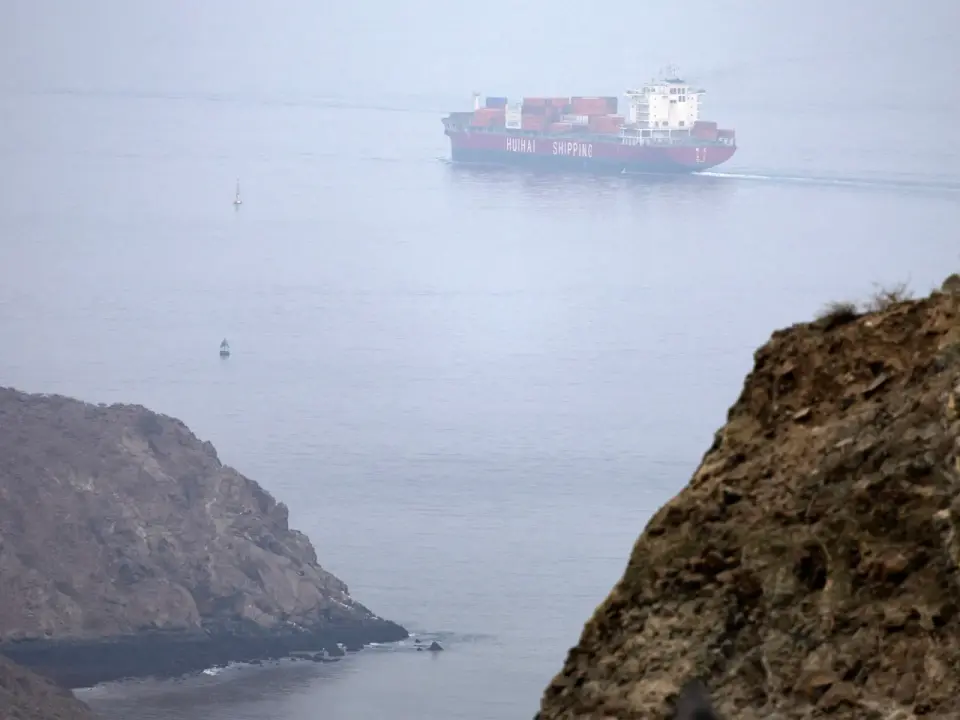
Two tankers were hit by unidentified projectiles near Oman’s Khasab on November 21, 2026, according to the UK Maritime Trade Operations (UKMTO). Iran’s navy separately claimed a tanker struck a naval mine in a restricted area. These incidents mark a sharp increase in attacks, with roughly 25 incidents reported in the past week. The strikes occur as Iran tightens control over the strait, which previously carried nearly 20% of global crude oil, while the US maintains a blockade and naval escorts.
Key points
- UKMTO reported two incidents near Khasab, Oman, involving tankers hit by projectiles, with no casualties reported.
- Iran’s navy stated a tanker caught fire after hitting a naval mine, accusing the vessel of ignoring warnings and disabling navigation equipment.
- Al Jazeera reports approximately 25 incidents in the past week, averaging three per day, signaling a deliberate escalation by Tehran.
- Iran requires ships to coordinate with its authorities and follow designated lanes, threatening attacks or mine strikes for non-compliance.
- The US is blockading Iranian ports and deploying naval vessels to escort tankers, while Iran aims to restrict oil exports for other nations.
Background
The conflict began in late February 2026 with US and Israeli attacks on Iran. Since then, shipping traffic through the Strait of Hormuz has dropped significantly, with tanker rates quadrupling and adding $30-$40 per barrel to oil costs. Previous incidents in October included a tanker fire that closed parts of the UAE coastline and claims of seven tankers damaged in a single day. The current escalation follows a period where US strikes on Iran were paused, though hawks are now pushing to resume the campaign.
How outlets are covering it
UKMTO and CNBC focus on the specific incidents near Khasab, noting the uncertainty regarding whether the two reports involved the same vessel. Al Jazeera emphasizes the broader trend, citing a dramatic increase in incidents and Iran’s strategic intent to control the strait. NPR highlights the human cost and environmental impact, noting that November is on pace to exceed October’s record for attacks, and details the ongoing cleanup of oil spills along the UAE coast. While the US disputes Iran’s mine claims, asserting primary routes remain clear, Iran insists it is enforcing strict transit rules to pressure Washington.
Why it matters
The escalation threatens global energy supplies, as the Strait of Hormuz is a critical route for crude oil. Increased attacks could further raise oil prices and disrupt shipping for essential goods like fertilizers. The standoff between US naval escorts and Iranian restrictions risks broader regional conflict, affecting not just oil but also commercial vessels carrying other vital products.
What to watch
Analysts expect continued tension as Iran maintains its strict control over the strait and the US reinforces its blockade and escorts. The situation may worsen if US hawks push to resume major strikes on Iran, potentially leading to further escalations in the conflict that has persisted since February 2026.
- Tankers hit in Strait of Hormuz as Iran tightens grip on shipping Al Jazeera
- UK maritime agency reports two tanker attacks near Oman; Iran says vessel hit mine east of Hormuz CNBC
- The U.A.E. Is Shuttling Oil Past Iran in Risky Hormuz Operation WSJ
- UAE's ADNOC L&S says one crew member missing after attack on its vessel in Hormuz Reuters
- Iran's attacks on ships in the Strait of Hormuz escalate NPR
Want the full story? Read the original reporting
Read on Al Jazeera