
UK imposes sweeping sanctions on Israeli settlements, marking a historic break with Tel Aviv
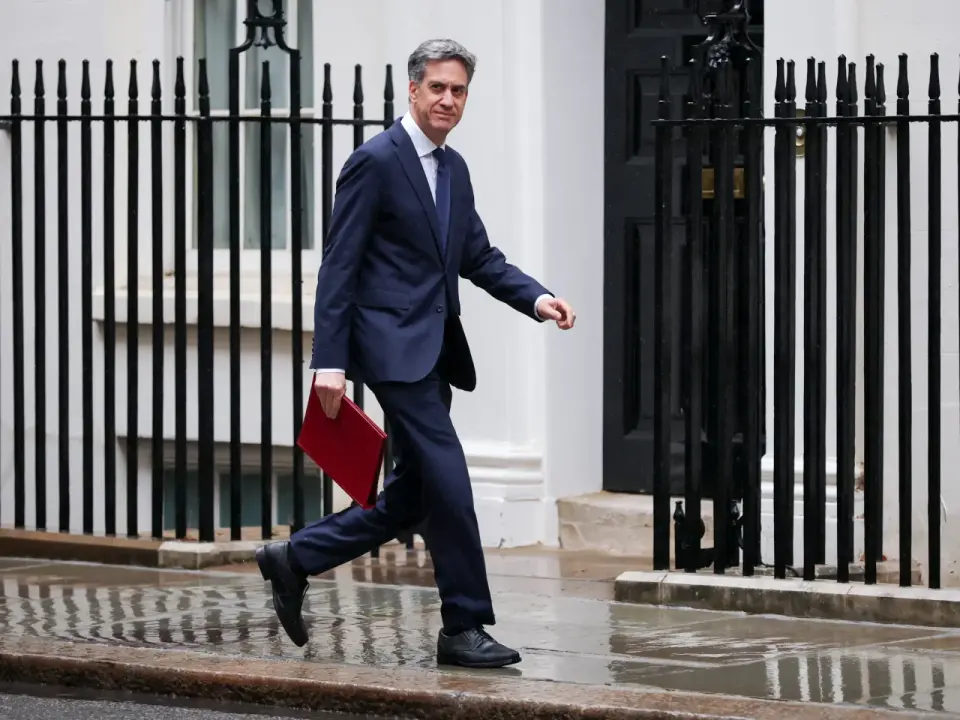
On September 8, 2026, UK Foreign Secretary Ed Miliband announced a comprehensive sanctions regime against Israeli settlements in the occupied West Bank. The measures include an import ban on settlement goods, restrictions on arms exports, and personal sanctions against individuals accused of promoting settler violence. The UK government declared the occupation unlawful in its entirety and cited 'ethnic cleansing' in the West Bank. This move, supported by 12 other nations, triggered immediate diplomatic retaliation from Israel, including the closure of the UK consulate in Jerusalem and entry bans for British MPs.
Key points
- UK Foreign Secretary Ed Miliband announced a ban on imports from Israeli settlements and a comprehensive sanctions regime targeting construction, financing, and advertising of settlements.
- The UK government officially declared the Israeli occupation of the West Bank unlawful in its entirety, aligning with a 2024 International Court of Justice ruling.
- Miliband stated that 'ethnic cleansing' is occurring in parts of the West Bank, a stark departure from previous British diplomatic language.
- Israel responded by closing the UK consulate in Jerusalem and banning 12 British MPs and activists, including Jeremy Corbyn and Diane Abbott, from entering the country.
- The US ambassador to Israel, Mike Huckabee, warned of potential retaliatory trade actions, though Secretary of State Marco Rubio stated Washington would not follow the UK's course.
- Twelve other countries, including France, Canada, and Denmark, announced similar sanctions or restrictions in a coordinated diplomatic effort.
Background
This announcement follows months of escalating tensions, including a US envoy's condemnation of settler violence in August 2026 and a surge in settlement activity ahead of Israeli elections. In late August, Al Jazeera reported that UK public-sector contracts with firms linked to settlements totaled over £2 billion, prompting calls for a trade ban. The current move represents a significant shift from the previous Labour government under Keir Starmer, which Miliband criticized for being too slow to act. The new Prime Minister, Andy Burnham, has framed this as a necessary reset to regain trust with progressive voters and uphold the two-state solution.
How outlets are covering it
Al Jazeera and The Guardian emphasized the moral and legal dimensions of the sanctions, highlighting Miliband's use of the term 'ethnic cleansing' and the UK's new stance on the illegality of the occupation. The Washington Post focused on the economic and diplomatic rift, noting the potential impact on the £6 billion in annual bilateral trade and the US warning of retaliatory measures. The BBC highlighted the domestic political fallout, including the UK Chief Rabbi's criticism of the move as 'gesture politics' and the support from Green Party MPs, who were also banned from entering Israel. While all sources agree on the scope of the sanctions, they differ in emphasis: The Guardian and Al Jazeera framed it as a moral imperative, while The Washington Post and BBC focused on the geopolitical consequences and internal UK debates.
Why it matters
This marks a historic shift in UK-Israel relations, with London moving from diplomatic condemnation to active economic sanctions. The move could destabilize the two-state solution if not reversed, but it also signals a broader international consensus against settlement expansion. The potential for legal challenges and US retaliation adds uncertainty to the outcome, but the coordinated action by 12 nations suggests a sustained diplomatic pressure campaign.
What to watch
The UK government expects the sanctions legislation to be enacted within nine months, though legal challenges may delay implementation. Israel is likely to escalate diplomatic retaliation, potentially affecting trade and security cooperation. The US may face pressure to mediate or retaliate, while the 12 allied nations will likely coordinate further measures. The impact on the two-state solution remains uncertain, but the sanctions aim to halt settlement expansion, particularly in the E1 area east of Jerusalem.
- UK announces sanctions on illegal Israeli settlements Al Jazeera
- UK foreign secretary making statement on sanctions for Israeli settlements in occupied West Bank BBC
- UK accuses Israeli ‘terrorists’ of ethnic cleansing in West Bank with government backing The Guardian
- Britain Set to Target Israeli West Bank Settlements With Trade Ban The New York Times
- U.K. to bar import of goods from West Bank settlements in growing rift with Israel The Washington Post
Want the full story? Read the original reporting
Read on Al Jazeera