
Ukraine Hits Five of Russia’s Largest Refineries in Two-Week Campaign
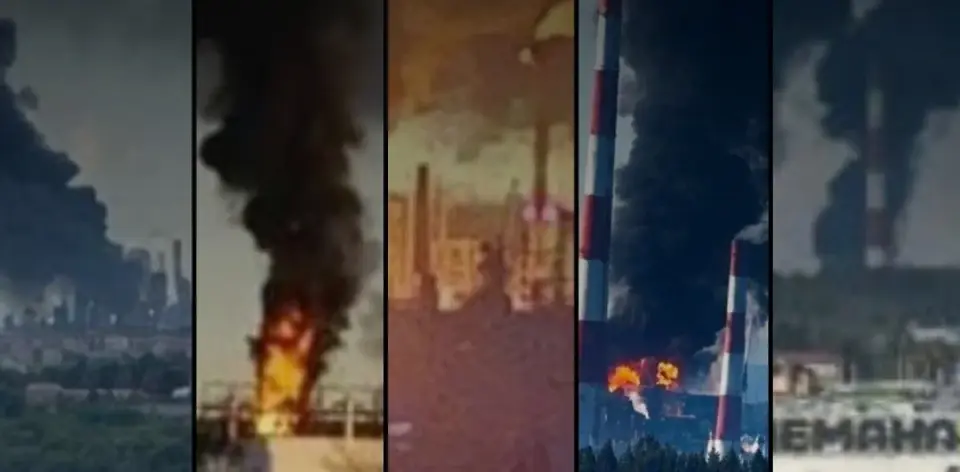
Ukraine’s General Staff reported that forces struck at least nine Russian oil refineries between October 30 and November 11, 2026. The campaign targeted five of Russia’s largest facilities, including plants in Omsk, Kirishi, Ryazan, Nizhny Novgorod, and Yaroslavl. These sites have a combined capacity exceeding 120 million metric tons annually, representing roughly 36% of Russia’s total refining output. The Omsk refinery, described as Russia’s largest, was hit for the third time in 2026. Ukrainian Special Operation Forces noted that Omsk is the sole producer of catalysts for secondary oil processing, making it critical for other refineries. The strikes follow a brief pause in attacks in late October and coincide with fuel sales restrictions in multiple Russian regions.
Key points
- Ukraine targeted nine Russian refineries between Oct. 30 and Nov. 11, including five of the country’s largest facilities.
- The targeted plants have a combined nominal capacity of over 120 million metric tons annually, or about 36% of Russia’s total refining capacity.
- The Omsk refinery in Siberia, located nearly 2,500 kilometers from the Ukrainian border, was struck for the third time in 2026.
- The Kirishi refinery in Leningrad region, with a capacity of 20 million metric tons, accounts for over 6% of Russia’s total refining output.
- The Saratov refinery, processing 7 million metric tons annually, supplies petroleum products to Russia’s industrial and military sectors.
- Ukraine’s General Staff identified Omsk, Kirishi, Ryazan, Nizhny Novgorod, and Yaroslavl as among the five most powerful refineries in Russia.
Background
This campaign follows a series of strikes in 2026 that have significantly impacted Russian refining capacity. In early July, Ukraine claimed to have knocked 43% of Russia’s refining capacity offline. By November 6, Ukrainian military intelligence reported that precision drone strikes had disabled 15 of Russia’s 38 major refineries, causing $23.2 billion in economic damage and cutting processing volumes by 55.4%. The latest strikes occur amid ongoing negotiations in Abu Dhabi, where Russia rejected European participation and security guarantees for Ukraine. Ukraine has offered a ceasefire if Russia stops targeting energy infrastructure, but Moscow continues missile attacks on Ukrainian power plants.
Why it matters
The strikes demonstrate Ukraine’s expanding ability to target critical energy infrastructure deep inside Russian territory, including facilities far beyond the immediate frontline. The disruption of 36% of Russia’s refining capacity threatens to exacerbate fuel shortages and economic strain, potentially impacting military logistics and civilian energy supplies. The targeting of the Omsk refinery, a key producer of catalysts, could have cascading effects on other refineries, further straining Russia’s energy sector. This campaign also highlights the strategic importance of energy infrastructure in the conflict, as both sides seek to leverage economic pressure to influence negotiations and battlefield outcomes.
What to watch
Russia may intensify fuel rationing or import dependencies as refining capacity remains disrupted. Ukraine could continue targeting energy infrastructure if Russia does not cease attacks on Ukrainian power plants. Negotiations in Abu Dhabi may focus on energy security and sanctions, with potential clashes over the scope of European involvement. The long-term impact on Russia’s economy and military logistics will depend on the speed of repairs and the availability of alternative fuel sources.
Want the full story? Read the original reporting
Read on Kyiv Post