
Ukraine Resumes Refinery Strikes Amid US Pressure and Oleshky Ceasefire
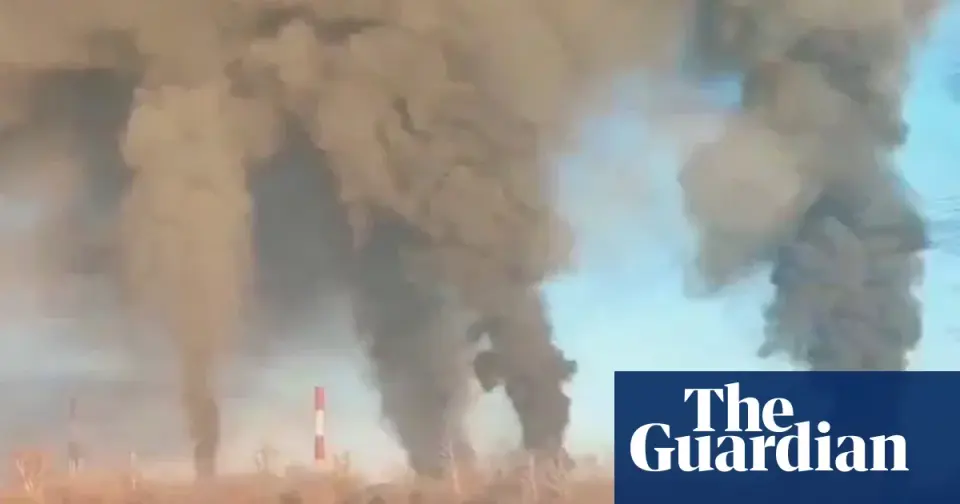
Ukraine has resumed long-range drone attacks on Russian oil refineries, defying US pressure to pause strikes ahead of midterm elections. Recent attacks targeted facilities in Nizhny Novgorod and Samara oblasts, causing fires and power outages. While the US blamed Kyiv for rising fuel prices, Ukrainian officials denied agreeing to a 30-day pause. A six-day humanitarian ceasefire in Oleshky ended, with observers noting Russia used the truce to reinforce positions. Zelenskyy cited Russian attacks on Ukrainian energy infrastructure as justification for retaliation, while trilateral talks between Russia, Ukraine, and the US remain scheduled but unlikely to yield breakthroughs due to Moscow’s maximalist territorial demands.
Key points
- Ukraine resumed drone strikes on Russian oil refineries in Nizhny Novgorod and Samara oblasts on Friday, defying US pressure to pause attacks.
- The Wall Street Journal reported Ukraine had agreed to stop bombing energy infrastructure, but Ukrainian officials told the Kyiv Independent they never accepted a 30-day pause demanded by Jared Kushner.
- Russian state media confirmed fires at the Kstovo refinery in Nizhny Novgorod and a major strike on a Rosneft-owned facility in Samara oblast.
- A six-day humanitarian ceasefire in the occupied town of Oleshky ended on Sunday, with both sides hailing the evacuation mission as a success, though observers noted Russia used the truce to reinforce troops.
- Zelenskyy stated Ukraine was retaliating against Russian strikes on energy facilities, which left 280,000 households without power, including 80,000 in the Kyiv region.
- Trilateral talks between Russia, Ukraine, and the US are expected later this month, but Putin’s demands for Ukraine to cede territory in Donetsk, Kherson, and Zaporizhzhia remain unchanged.
Background
This escalation follows a series of tensions in October 2026, where Ukraine previously defied US-Russia diesel deals and ended an 'energy ceasefire' after a brief pause. In early October, Ukrainian officials vowed to continue strikes despite US efforts to stabilize global energy prices through diplomatic concessions to Moscow. The current strikes represent a continuation of this strategy, prioritizing the degradation of Russian war-funding infrastructure over US diplomatic pressures.
How outlets are covering it
The Wall Street Journal reported that Ukraine had conceded to White House pressure to halt strikes, a claim directly contradicted by Ukrainian officials speaking to the Kyiv Independent, who stated no such agreement was reached. Euronews highlighted the scale of the Nizhny Novgorod attack, noting regional governor Gleb Nikitin reported over 100 drones were destroyed and significant damage occurred to an 'industrial enterprise,' while war monitoring channels confirmed the target was the Kstovo oil refinery. UNITED24 Media emphasized the strategic impact, noting that Ukraine has struck 10% of Russia’s oil refining capacity in 72 hours, though the source text was largely obscured by cookie consent banners. The Guardian noted that Zelenskyy did not explicitly acknowledge the refinery attacks, instead citing strikes on a missile factory in Rostov region, likely to avoid US reprisals, while emphasizing Russia’s record monthly military losses in October.
Why it matters
The resumption of strikes signals a hardening of Ukraine’s stance against US diplomatic pressure, potentially straining US-Ukraine relations ahead of midterm elections. The attacks threaten to further disrupt global fuel supplies, as Russian refineries are already operating at reduced capacity. Meanwhile, the end of the Oleshky ceasefire and Russia’s reinforcement of positions suggest a renewed military onslaught is imminent, complicating any prospects for broader peace negotiations despite upcoming trilateral talks.
What to watch
Trilateral talks involving Russia, Ukraine, and the US are expected later this month, with Putin expressing willingness to speak directly with Zelenskyy, though he excluded European leaders from such calls. However, little progress is expected due to Russia’s unchanged maximalist territorial demands. A renewed Russian military offensive in the Kherson region is anticipated following the end of the Oleshky ceasefire, as observers believe Russia used the truce to swap exhausted troops and reinforce positions.
- Ukraine defies Trump to resume attacks on Russian oil The Guardian
- Another Russian refinery is aflame despite Trump’s warning to Kyiv The Washington Post
- Russia says 'massive' drone attack targeted 'industrial enterprise' amid reports oil refinery hit Euronews.com
- Exclusive | Ukraine Pauses Strikes on Russian Refineries After Pressure From U.S. WSJ
- Ukraine Hits 10% of Russia’s Oil Refining Capacity in Just 72 Hours UNITED24 Media
Want the full story? Read the original reporting
Read on The Guardian