
Midterms and Mediation: The Race to Restart or Resolve the Iran War
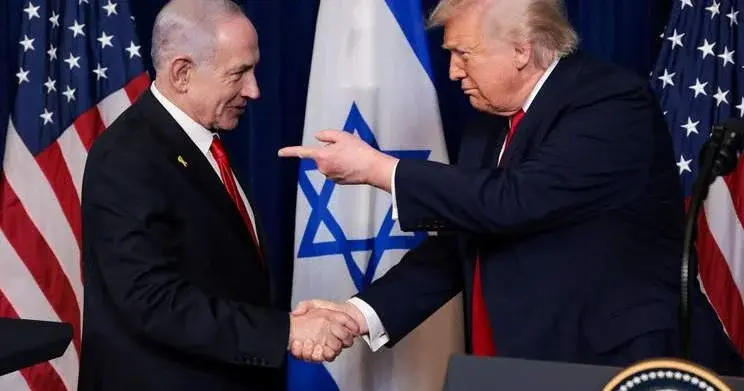
The US-Iran conflict is in a fragile lull, with both sides preparing for a potential resumption of hostilities after the November 3 US midterm elections. While diplomatic channels remain open through Qatari mediation, military preparations are intensifying. Israel faces a strategic dilemma: it fears a US withdrawal will leave it vulnerable to an undefeated Iran, whereas Washington seeks a short, high-intensity campaign. Meanwhile, internal divisions in Iran over whether to negotiate or resist complicate the path to peace.
Key points
- US President Donald Trump has ruled out military action before the November 3 midterm elections, but reports indicate the Pentagon is preparing for renewed strikes immediately afterward.
- Israeli Prime Minister Benjamin Netanyahu, despite an inconclusive election, maintains that the US must 'finish the job' in Iran, though analysts note Israeli policy may not change significantly regardless of the government.
- Iran’s Supreme National Security Council Secretary Mohsen Rezaei stated that Tehran will not reopen the Strait of Hormuz or enter negotiations until Washington meets seven specific conditions, including lifting the naval blockade.
- US Vice President JD Vance sent a letter to Rezaei, signaling a shift in diplomatic tone, though Iran has not yet responded.
- Iranian Supreme Leader Mojtaba Khamenei has ordered military commanders to expand their list of potential targets, warning of a response 'without geographic limitations' if attacked again.
Background
The current standoff follows two rounds of strikes in 2025 and 2026, which severely weakened Iranian military capabilities and Hezbollah. The conflict began in February 2026 with US and Israeli operations, leading to a naval blockade and economic pressure. Recent elections in both the US and Israel have intensified debates over whether to pursue regime change or diplomatic resolution, with dual citizens potentially influencing outcomes in both nations.
How outlets are covering it
Iran International and The Jerusalem Post highlight that Israel’s political divisions may not alter its stance on Iran, with analysts arguing that even a government led by Gadi Eisenkot would maintain a hardline approach. However, The Jerusalem Post emphasizes Israel’s need for independent military capability, warning that a US withdrawal could leave Israel vulnerable to an undefeated Iran. Al Jazeera argues that the war is driven by US hegemony and Israeli domination, calling for Arab states to reject US-led security frameworks. The Mises Institute critiques the war as a tool for interest groups, noting that public disapproval is high but democratic constraints are weak. In contrast, Iranian officials are split between those advocating for 'dignified negotiations' and hardliners emphasizing military deterrence and economic resilience.
Why it matters
The outcome of the upcoming US midterms and the success of Qatari-mediated talks will determine whether the region moves toward a new phase of conflict or a diplomatic resolution. A resumption of war could trigger a global energy crisis, while a failure to reach an agreement may leave Israel and the US in a prolonged state of strategic uncertainty. The internal divisions in Iran and the shifting diplomatic tone from Washington suggest that the path to peace is fragile and contingent on immediate political decisions.
What to watch
The next critical window is the period following the November 3 US midterm elections, when military action is most likely to resume if diplomacy fails. Iran’s response to Vance’s letter and the outcome of Qatari-mediated talks in Doha will be key indicators. If negotiations collapse, expect renewed strikes on Iranian nuclear and petrochemical facilities, potentially triggering a wider regional conflict involving proxies like the Houthis and Hezbollah.
- Netanyahu or not, the next move on Iran may be Trump's Iran International
- How to stop the US-Israel war on Iran Al Jazeera
- A New War on Iran Would Deal a Death Blow to U.S. Leadership in the Mideast Foreign Policy
- Iran, the Midterms, and the Myth of Government by the People Mises Institute
- Why Israel must prepare for an independent, open-ended war against Iran and its proxies - opinion The Jerusalem Post
Want the full story? Read the original reporting
Read on Iran International