
Ukraine shifts drone strikes to Ozon, causing 30% stock plunge
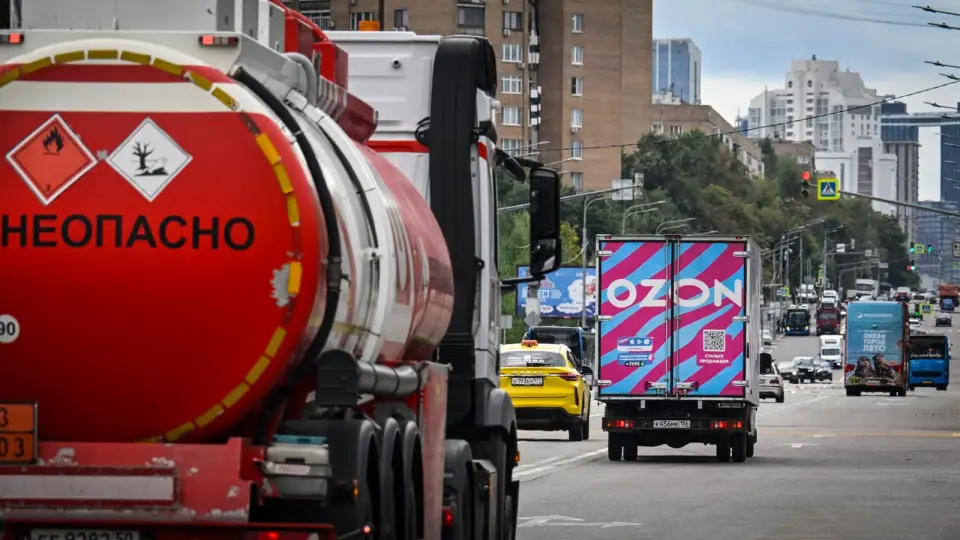
Ukraine has expanded its drone campaign against Russian e-commerce, targeting Ozon after Wildberries. Ozon shares dropped nearly 30% following strikes on six logistics hubs in southern Russia. Kyiv aims to disrupt supply chains and pressure Putin's economy, while Moscow threatens retaliation and considers state takeovers of damaged firms.
Key points
- Ozon shares fell nearly 30% on the Moscow Exchange after drone strikes hit six facilities in three days.
- Strikes occurred in Makhachkala, Krasnodar, Samara, Orenburg, Adygea, and Stavropol, causing fires and evacuations.
- Ukraine's Ministry of Defense stated that hitting Ozon follows the destruction of 15 major Wildberries hubs.
- Putin promised state support for damaged businesses and issued a decree allowing the state to seize control of poorly protected critical infrastructure.
- The combined revenue of Russia's top three online retailers accounts for over 5% of the country's GDP.
Background
Since mid-July, Ukrainian forces have systematically targeted Wildberries, Russia's largest online retailer, destroying over a quarter of its logistics network. These strikes were intended to disrupt military supply chains and reduce Kremlin revenues. The current campaign against Ozon represents a significant escalation in this economic warfare strategy, targeting the second-largest marketplace in the country.
How outlets are covering it
CNBC and The Guardian emphasize the severe financial impact, noting Ozon's share price collapse and the strategic shift from Wildberries. The BBC highlights the human cost, reporting that Russian authorities claimed three children were killed in a related strike in Krasnodar, though both sides deny targeting civilians. The Guardian notes that unlike Wildberries, which has state bank backing, Ozon's main shareholder, AFK Sistema, faces high debt and may not provide substantial support. All sources agree that Kyiv justifies these attacks by claiming the warehouses store dual-use goods for the military, a claim Moscow denies.
Why it matters
The strikes demonstrate Ukraine's ability to inflict deep economic pain on Russia's civilian infrastructure, potentially accelerating cracks in the wartime economy. The Kremlin's response, including potential state takeovers of damaged companies, signals a shift toward greater state control of critical sectors to maintain stability against external threats.
What to watch
Analysts expect further strikes on Russian logistics and energy infrastructure. The Kremlin is likely to implement its new decree to seize control of damaged companies to ensure rapid repair and protection. Ukraine may continue targeting other major economic hubs to sustain pressure on Moscow's budget and supply chains.
- Ukraine is targeting Russia’s retail giants. Ozon is the next economic pressure point CNBC
- Russia's second-biggest online retailer Ozon targeted in Ukrainian strikes BBC
- Ukraine targets Ozon in widening attacks on Russian online retailers Reuters
- Video Drone strikes logistics hub owned by major Russian online retailer ABC News - Breaking News, Latest News and Videos
- Ukraine war briefing: Ozon next in Kyiv’s sights as sheds of Wildberries rival burn The Guardian
Want the full story? Read the original reporting
Read on CNBC