
Ukraine’s Kerch Bridge Strike Disrupts Russian Logistics Amid US Push for Pre-Congress Deal
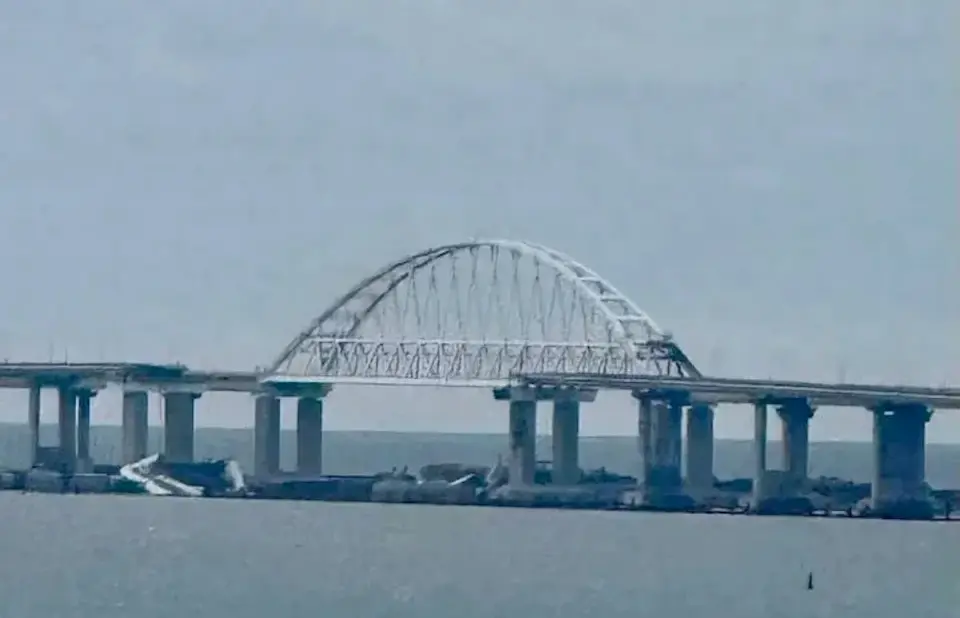
Ukraine’s sustained strikes have collapsed the road section of the Kerch Bridge, severing Russia’s primary land link to Crimea and disrupting logistics. This military development coincides with a frantic push by the Trump administration to secure a peace deal before the new US Congress convenes in January 2027, which analysts fear will impose tougher sanctions and increased aid to Ukraine. While US envoys urge a quick settlement, Kyiv and European allies remain skeptical of Russian intentions, with Zelensky defending the strikes as a proportional response to 109 prior Russian attacks on Ukrainian infrastructure.
Key points
- The road section of the Kerch Bridge has been destroyed by Ukrainian strikes, which utilized domestic systems like Palianytsia drones and Flamingo missiles. Ukrainian officials estimate repairs will take months, potentially up to a year, significantly hampering Russian logistics to Crimea.
- The Trump administration is pressing for a ceasefire deal before the US Congress reconvenes on January 3, 2027. Officials fear that a Democratic-controlled Congress will restrict their ability to aid Russia and will increase support for Ukraine, prompting a 'panic mode' diplomatic push.
- US envoys Steve Witkoff and Jared Kushner have warned that the current peace talks may be the last realistic opportunity for a deal. They have portrayed Vladimir Putin as a willing partner for peace, a claim Zelensky rejected, noting that Russian escalation continues despite diplomatic overtures.
- Ukraine is pursuing a broader strategy to isolate Crimea and degrade Russian forces in Kherson and Zaporizhzhia oblasts. This includes cutting communications and logistics, potentially rendering Russian units in those areas combat ineffective.
- Ukrainian forces have demonstrated superiority in small-unit ground operations, such as Operation Cheburechna in Sumy oblast, which cleared Russian infiltrators. Additionally, Ukrainian drone units have degraded elite Russian drone units like 'Rubicon' in Kursk oblast, maintaining a tactical edge in adaptation and flexibility.
Background
Recent archive coverage highlights that Ukrainian drone strikes on Russian oil infrastructure have forced Moscow to import record fuel volumes, while previous Kerch Bridge damage had already halted ceasefire talks. The current strikes are part of a sustained campaign to disrupt Russian logistics, with earlier reports noting that Ukraine used domestically produced Flamingo and Neptune missiles in the November 17 attack. The diplomatic landscape remains tense, with Russia rejecting security guarantees for Ukraine and insisting the bridge was exclusively civilian, a claim disputed by Kyiv.
How outlets are covering it
Asia Times characterizes the Trump administration’s diplomatic efforts as a 'desperate throw of the dice' to secure a deal before the new Congress limits their maneuverability, noting that the administration is 'lying to the Ukrainians and Europeans' about Putin’s intentions. In contrast, BBC reports that UK Defence Secretary Wes Streeting visited Kyiv to demonstrate European unity, calling Putin a 'cold-blooded killer' and emphasizing that Europe will not be divided by Russian aggression. While Asia Times focuses on the internal political pressure on the US administration, BBC highlights the international solidarity and Zelensky’s justification of the strikes as a 'fair response' to Russian aggression. Both sources agree on the strategic importance of the Kerch Bridge but differ in their assessment of the diplomatic prospects, with Asia Times viewing the US push as likely to fail and BBC emphasizing the resilience of European support for Ukraine.
Why it matters
The destruction of the Kerch Bridge represents a significant logistical blow to Russia, potentially isolating Crimea and weakening Russian forces in southern Ukraine. Simultaneously, the US administration’s urgency to secure a deal before the 2027 Congress highlights the shifting political landscape in Washington, which could lead to a more hawkish stance on Russia and increased support for Ukraine. This dynamic may influence the trajectory of the war, as Kyiv and Europe prepare for potential renewed pressure from Moscow while navigating the changing diplomatic environment in the US.
What to watch
Ukraine is expected to continue strikes on the rail section of the Kerch Bridge and other logistical targets to further degrade Russian operations. The Trump administration will likely intensify diplomatic efforts to secure a deal before January 2027, potentially offering concessions to Ukraine in exchange for a ceasefire. European leaders are expected to maintain support for Ukraine, resisting pressure for a quick settlement that favors Russia. The new US Congress, once convened, may impose tougher sanctions on Russia and increase military aid to Ukraine, altering the balance of power in the conflict.
- As the Kerch Bridge goes down, the Ukraine war clock is ticking Asia Times
- After Bridge Attack, Putin Says He Will ‘Not Be Negotiating’ Ukraine Cease-Fire The New York Times
- Zelensky says Crimean Bridge strikes 'fair response' as he meets UK's Streeting BBC
- Ukraine strains Russian logistics with Crimean bridge strikes Reuters
- Clean-up of Downed Crimea Bridge to Take Russia Months, Ukraine Says Bloomberg.com
Want the full story? Read the original reporting
Read on Asia Times