
Ukraine's Drone Surge Exposes Russian Air Defense Gaps
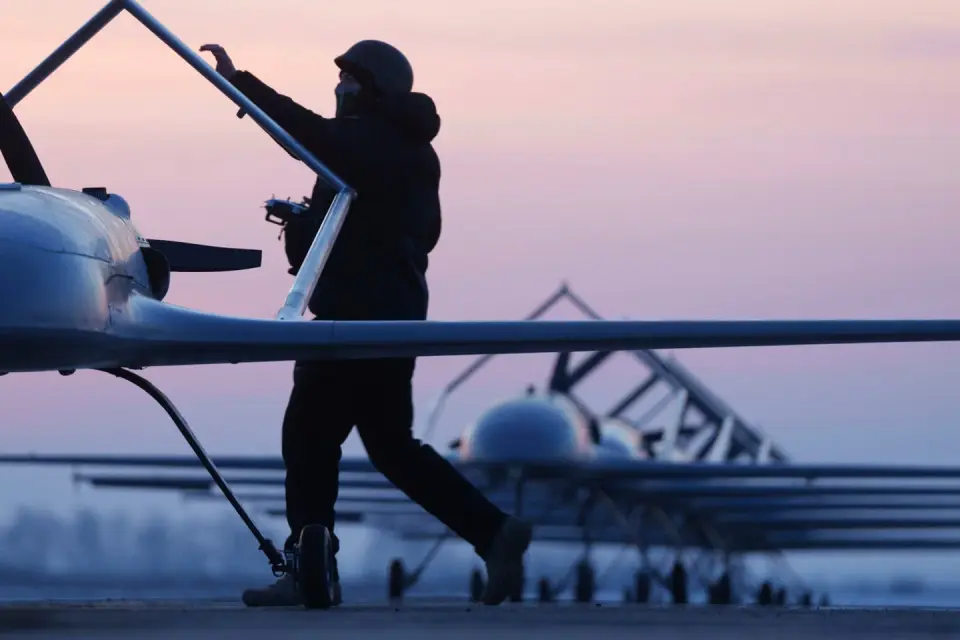
Ukraine’s long-range drone campaign has intensified significantly, targeting Russian energy and logistics infrastructure deep inside its borders. While Moscow claims high interception rates, successful strikes on refineries and retail hubs indicate critical vulnerabilities in Russian air defenses. This escalation is driving civilian casualties and economic pressure, though diplomatic prospects remain limited.
Key points
- Ukraine’s deep-strike drone operations, led by platforms like the FP-1 and Lyutyi, have surged since spring 2026, targeting Russian refineries and logistics hubs up to 2,000 kilometers from the border.
- Russian authorities claim to have intercepted thousands of drones, including 992 on June 18, but successful hits on facilities like the Tobolsk-Neftekhim complex suggest air defense gaps.
- Fire Point, a Ukrainian defense company, now produces over 60% of Ukraine’s long-range strike drones, scaling from 200 units in 2022 to an expected 100,000 by year-end 2026.
- The escalation has led to increased civilian casualties, with the UN reporting a 37% rise in Ukrainian civilian deaths in the first half of 2026 compared to 2025.
- Ukraine is also targeting economic infrastructure, such as Wildberries warehouses, to pressure the Russian economy and business elite, while Russia retaliates with ballistic missile strikes on Ukrainian cities.
Background
This escalation follows a pattern of increasing Ukrainian long-range strikes since early 2024, which initially targeted oil refineries to disrupt Russia’s war funding. Previous reports in 2026 highlighted a slowdown in Russian ground advances and growing reliance on air power, with Ukraine’s drone capabilities becoming a key strategic asset to offset conventional military disadvantages.
How outlets are covering it
Le Monde emphasizes the technical evolution of Ukrainian drones and their ability to bypass Russian air defenses, noting that while Moscow claims high interception numbers, successful strikes on distant targets like Tobolsk prove otherwise. CNN focuses on the broader aerial war, highlighting that both sides’ offensive capabilities are outstripping their defenses, leading to increased civilian casualties and infrastructure damage. It also notes the strategic aim of bringing the war closer to Russian civilians and business elites. Al Jazeera shifts focus to ground robots, highlighting how Ukraine’s technological innovation, driven by grassroots efforts, is changing the nature of warfare, though it notes these robots are vulnerable to aerial drones. CNBC highlights the industrial scale of Ukraine’s drone production, particularly Fire Point’s role, and the economic pressure on Russia, while also noting the challenges Ukraine faces in securing ballistic missile interceptors from the US and EU.
Why it matters
The success of Ukraine’s drone campaign is testing Russia’s air defense capabilities and economic resilience, potentially influencing the war’s trajectory. However, the escalation is also leading to increased civilian casualties and infrastructure damage on both sides, with limited prospects for diplomacy as both sides continue to prioritize military pressure over negotiation.
What to watch
Ukraine is expected to continue its deep-strike campaign, with Fire Point aiming to produce over 100,000 drones by year-end. Russia may increase its use of ballistic missiles to overwhelm Ukrainian air defenses, while Ukraine seeks to secure more Patriot interceptors from the US and EU. The economic pressure on Russia, particularly through strikes on energy and retail infrastructure, may influence internal political dynamics, but a diplomatic resolution remains unlikely in the near term.
- How do Ukraine's long-range drones evade Russian defenses? Le Monde.fr
- Russia and Ukraine have stepped up their aerial war. Civilians are paying the price cnn.com
- ‘Like the movies’: How Ukraine’s ground robots are changing rules of war Al Jazeera
- Inside the startup drone maker powering Ukraine's deep-strike campaign CNBC
- The War That’s Happening Above Russia and Ukraine The New York Times
Want the full story? Read the original reporting
Read on Le Monde.fr