
US Envoys Pivot to European Security Talks, Igniting Transatlantic Dispute Over Russia’s Demands
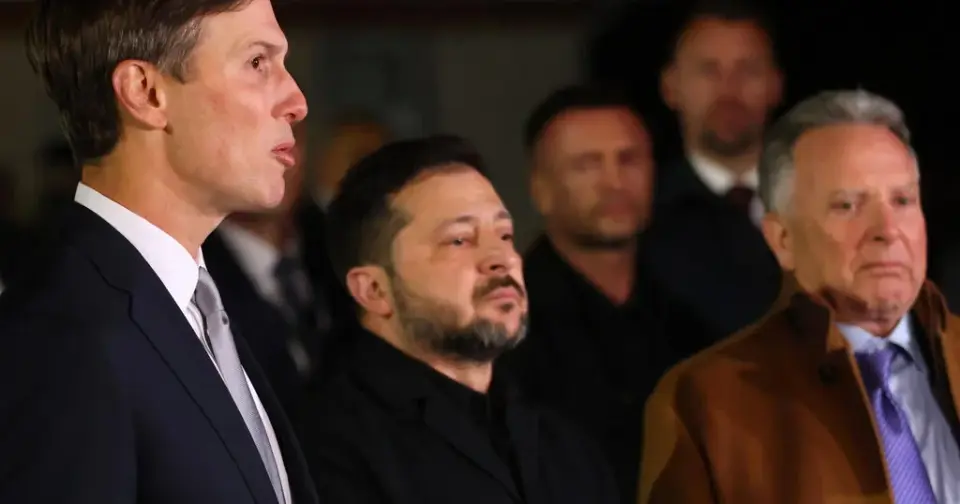
The US is facilitating direct engagement between Russia and Europe to advance peace in Ukraine, according to Jared Kushner. However, European leaders and Ukraine warn that discussing European security architecture before a ceasefire risks legitimizing Russian aggression and weakening NATO.
Key points
- Jared Kushner stated the US focus is now on facilitating direct engagement between Moscow and European partners and preparing the agenda for trilateral talks.
- Zelenskyy warned that discussing a new European security framework could allow Moscow to weaken NATO and reshape borders, insisting any agreement must not recognize occupied territories.
- EU foreign policy chief Kaja Kallas warned against 'walking into traps' set by Russia, emphasizing that the aggressor has no security concerns.
- European leaders agreed on a negotiating team comprising EU institutions and the E5 countries (Britain, France, Germany, Italy, Poland), rejecting a single spokesperson.
- Kushner outlined five goals for security, including permanent consultations and crisis communications, while asserting NATO remains central to European defense.
Background
This development follows the first round of US-brokered talks in Abu Dhabi since February, which concluded with a prisoner exchange but no peace deal. Previous coverage noted US envoys conceded to Russia’s 'all-or-nothing' strategy and that Europe rejected earlier US proposals for a continent-wide security framework that excluded allies. Zelenskyy had previously demanded Europe select a single negotiator by November 19, a deadline that has now passed amid ongoing debates over representation.
How outlets are covering it
CBS News reports that Kushner views the expansion of talks as a path to breakthroughs, emphasizing that any final agreement must strengthen Ukraine’s and Europe’s security. In contrast, The Guardian highlights the skepticism of EU leaders, with Kaja Kallas accusing Russia of setting traps to divert attention from its aggression. The Financial Times argues that the US strategy of enlarging the problem by adding European security architecture has played into Putin’s hands, potentially emboldening Moscow to demand a 'new Yalta' and weakening transatlantic ties. While Kushner claims NATO will remain central, Zelenskyy and European leaders fear that pre-emptive security discussions could lead to the withdrawal of American troops or the dismantling of mutual defense guarantees.
Why it matters
The shift toward discussing European security architecture before a ceasefire could fundamentally alter the post-war order in Europe. If successful, it may legitimize Russian demands for border changes and NATO reductions. If it fails, it could deepen the rift between the US and Europe, leaving Ukraine without the security guarantees necessary for a durable peace. The outcome will determine whether the conflict ends in a negotiated settlement or escalates into a broader geopolitical confrontation.
What to watch
The next round of trilateral talks is expected to include European representatives, though Russia has expressed hostility toward this inclusion. Trump is set to meet Putin next week, but officials say the Ukraine war will not be on the agenda. European leaders will likely continue to debate the exact composition of their negotiating team, while Ukraine awaits confirmation of specific security guarantees from NATO and the EU before considering any territorial concessions.
- U.S. facilitating direct engagement between Europe and Russia amid push for peace in Ukraine, Kushner says CBS News
- Russia is ‘setting traps’ in Ukraine talks, EU foreign policy chief warns The Guardian
- The dangers of revising Europe's security architecture DW.com
- Putin Tests Europe’s Unity With New Pressure to Talk Security Bloomberg.com
- Europe Express: opening a security can of worms Financial Times
Want the full story? Read the original reporting
Read on CBS News