
U.S. Intelligence Agencies Split Over Israeli Claims of Iranian Chemical Arsenal
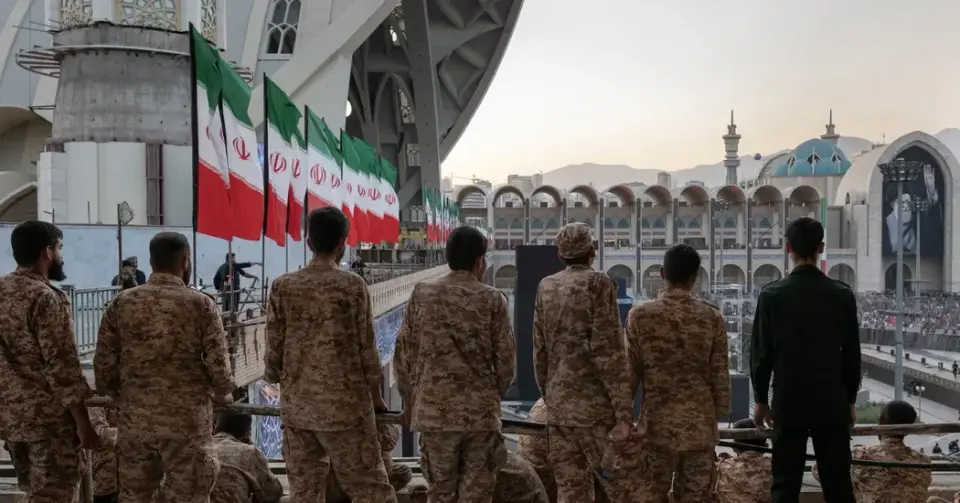
U.S. officials are divided over Israeli assertions that Iran possesses chemical weapons, with intelligence agencies questioning the validity of the claims while political leaders consider the implications for regional security.
Key points
- The New York Times reports that U.S. intelligence agencies are currently debating the credibility of Israeli claims regarding an Iranian chemical weapons program.
- The dispute centers on whether Iran has developed or stockpiled chemical agents, a claim that has not been independently verified by American assessors.
- The disagreement highlights a rift between U.S. intelligence estimates and the political narrative pushed by Israeli leadership, including Prime Minister Benjamin Netanyahu.
- The debate occurs against a backdrop of heightened tensions, with U.S. President Donald Trump and the Department of Defense weighing the potential impact on regional stability.
Background
Recent months have seen increased friction between Israel and Iran, including cyber operations by Iran-linked groups targeting Israeli and Iraqi infrastructure. Additionally, Iranian strategists have previously noted that Israeli political instability, such as the lack of a clear winner in the 2026 elections, could be exploited to delay Western action. This current dispute over chemical weapons adds a new layer of uncertainty to the already volatile diplomatic landscape.
Why it matters
If the claims are accurate, the existence of an Iranian chemical arsenal would significantly alter the security calculus for the U.S. and its allies, potentially justifying more aggressive countermeasures. Conversely, if the claims are unfounded, it could strain U.S.-Israel relations and complicate diplomatic efforts to de-escalate tensions in the Middle East.
What to watch
U.S. intelligence agencies are expected to continue their internal review of the evidence. The outcome of this debate may influence future U.S. policy decisions regarding sanctions, military posturing, and diplomatic engagement with both Tehran and Jerusalem.
Want the full story? Read the original reporting
Read on The New York Times