
US-Iran Negotiations Stall as Pezeshkian Balances Rhetoric and Leverage
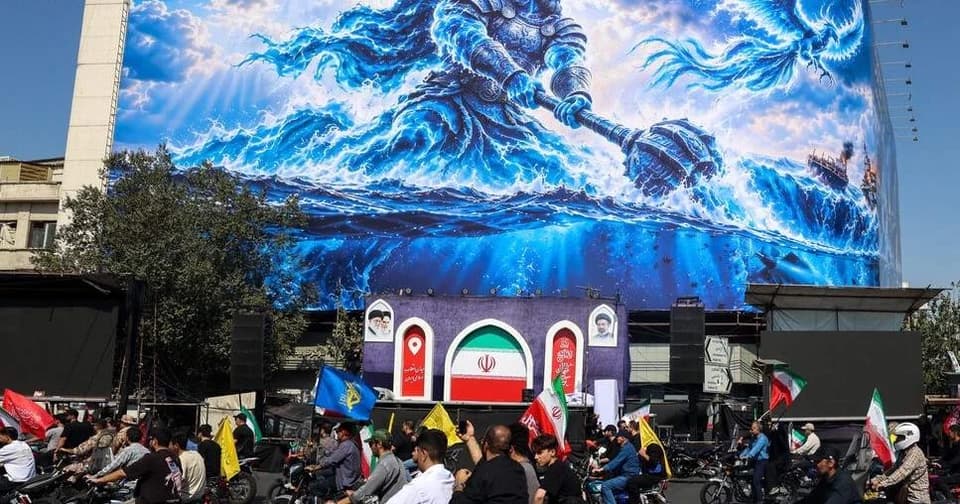
US and Iranian negotiators are exploring a phased deal to reopen the Strait of Hormuz in exchange for lifting economic sanctions, but both sides refuse to move first. President Masoud Pezeshkian’s UN speech attempted to balance defiant rhetoric with diplomatic openness, yet domestic divisions and external skepticism remain high. While Tehran signals potential escalation beyond Hormuz, Washington maintains its blockade, viewing it as a critical leverage point. The talks, held alongside the UN General Assembly, face significant hurdles due to mutual distrust and conflicting domestic political incentives.
Key points
- Negotiations in New York focus on a phased agreement: Iran seeks relief from the US economic blockade, while Washington demands the reopening of the Strait of Hormuz.
- President Pezeshkian’s UN speech received mixed reactions; conservatives praised his defiant tone, while reformists highlighted his willingness to negotiate, though hardliners criticized any engagement with the US.
- Iranian officials, including Supreme Leader’s adviser Yahya Rahim Safavi, warned of 'horizontal escalation,' potentially extending conflict to the Indian Ocean and Red Sea if pressure continues.
- A senior Israeli official described the chance of a US-Iran agreement as 'small but not impossible,' noting that the Revolutionary Guards may not want to grant Trump a victory before the November midterm elections.
- Trita Parsi, an Iran expert, noted that Trump is disinclined to lift the blockade even if Iran opens Hormuz, creating a paradox where sanctions become an end in themselves rather than a means to secure a deal.
Background
Previous attempts at diplomacy, including a June memorandum of understanding, collapsed in July, leading to renewed hostilities and a US naval blockade. In early September, US Energy Secretary Chris Wright suggested a nuclear deal might await a future Iranian administration, signaling a shift toward military pressure. Iran has also expanded its maritime strategy, proposing new shipping corridors and sanctions on vessels to counter US influence. The current negotiations occur amidst a backdrop of domestic unrest in Iran, including protests and crackdowns, which Pezeshkian’s UN speech largely ignored, focusing instead on external threats.
How outlets are covering it
Iran International emphasizes the domestic divide within Iran, noting that Pezeshkian’s speech was praised by both conservatives and reformists but criticized by hardliners for being too conciliatory. They highlight the gap between societal changes in Iran, such as relaxed hijab enforcement, and the unchanged legal framework. Newsquawk focuses on the market implications, noting that pessimistic signaling from intermediaries is common and may not reflect the true state of negotiations. They point out that the Revolutionary Guards’ domestic political incentives may hinder a deal before the US midterms. Trita Parsi offers a more skeptical view, arguing that Trump’s reluctance to lift the blockade creates a fundamental paradox, making a deal unlikely despite some hope. He also notes the growing international isolation of Israel, which may indirectly affect the US-Iran dynamic.
Why it matters
The outcome of these negotiations will significantly impact global energy markets, as the Strait of Hormuz is a critical route for oil and gas. A failure to reach a deal could lead to further escalation, potentially involving regional actors and affecting global supply chains. Additionally, the domestic political dynamics in Iran and the US, including the upcoming midterm elections, will influence the willingness of both sides to make concessions. The broader implications include the potential for a wider regional conflict and the continued use of economic sanctions as a tool of statecraft.
What to watch
Negotiators will likely continue to explore phased agreements, but the deadlock over who moves first remains a significant barrier. The US may maintain its blockade, while Iran could escalate its rhetoric or actions in other regions. The November US midterm elections may influence Trump’s willingness to make concessions, as a deal could be seen as a victory or a failure depending on the political context. Iran’s domestic situation, including protests and crackdowns, may also impact the government’s ability to negotiate from a position of strength.
- US and Iran want a deal, but neither wants to move first Iran International
- NEWSLETTER: UNGA week could bend the war — or miss again Reuters
- A senior Israeli official says "The chance of an agreement between the US and Iran is 'small' - but not impossible', reports i24 News Newsquawk
- Progress at UNGA Dawn
- There is hope for a US-Iran breakthrough. But just a glimmer. Geopolitical Chat #10: Q&A Session for Paid Subscribers Trita Parsi | Substack
Want the full story? Read the original reporting
Read on Iran International