
US Military Weighs Major Middle East Drawdown After Iran War Exposes Base Vulnerabilities
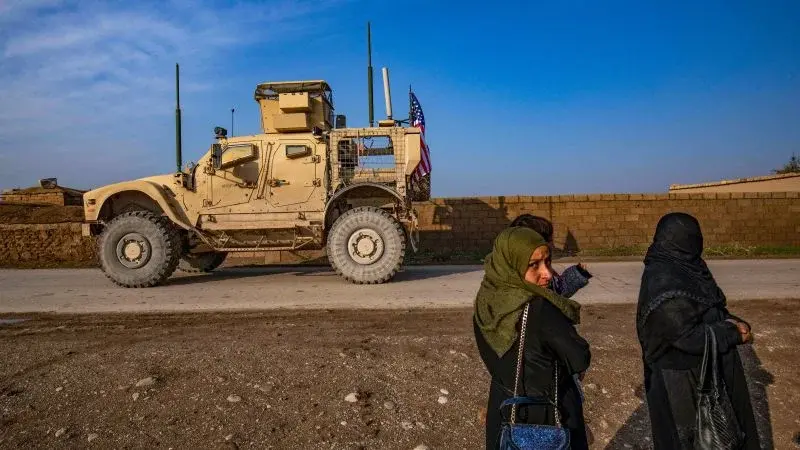
US military and intelligence officials are quietly evaluating a significant reduction of their Middle East footprint following the Iran conflict. With 50,000 troops currently deployed, planners consider shifting to a mission-based model rather than permanent basing. This move follows repeated Iranian attacks that exposed critical infrastructure weaknesses, including the destruction of a CIA outpost in Riyadh. While no formal order exists, the discussions reflect a desire to align with President Trump’s preference for reduced overseas presence and to shift defense burdens to regional partners.
Key points
- Six sources indicate quiet discussions within the US military and intelligence community about cutting personnel and facilities in the Middle East if the Iran conflict ends.
- The US currently maintains approximately 50,000 troops, two aircraft carriers, and over a dozen guided-missile destroyers in the region.
- Iranian drone and missile attacks have killed 18 American service members and severely damaged bases in Bahrain, Qatar, Saudi Arabia, and Kuwait, including the effective destruction of a CIA outpost in Riyadh.
- Planners are considering a 'mission-based' approach where personnel and equipment remain in the US and are deployed only for specific operations, rather than maintaining permanent installations.
- The Pentagon is evaluating whether to rebuild damaged facilities, with costs potentially reaching billions of dollars and depending on host nation contributions.
- Chief of Naval Operations Adm. Daryl Caudle stated that personnel will not return to the 5th Fleet headquarters in Bahrain 'anytime soon.'
Background
This potential drawdown follows a 25-year cycle of US military expansion in the Middle East post-9/11, which peaked at 250,000 troops during the 2003 Iraq invasion. Previous attempts to pivot away from the region, including under President Obama, were often reversed by emerging threats like ISIS. Recent archive coverage highlights ongoing tensions, including US air strikes in Iran in July 2026 and doubts regarding nuclear deals, underscoring the volatile backdrop for these strategic reassessments.
How outlets are covering it
CNN provides the most detailed account, citing six sources to describe the informal nature of the discussions and the specific vulnerabilities exposed by Iranian attacks. NDTV summarizes the core report, emphasizing the 20-year presence and the potential for a mission-based deployment model. Afghan Voice Agency (AVA) focuses on the extent of the damage, highlighting the destruction of the CIA headquarters in Riyadh and the uncertainty regarding reconstruction costs. While all sources agree on the vulnerability of US infrastructure, CNN and AVA emphasize the strategic shift toward reducing permanent basing, whereas NDTV focuses on the operational logistics of the potential drawdown.
Why it matters
This potential shift marks a fundamental change in US national security strategy, moving away from the permanent, large-scale basing model established after 9/11. It reflects a broader trend of shifting defense burdens to regional partners and adapting to the changing threat landscape posed by Iran. The decision to potentially not rebuild certain facilities could signal a long-term reduction in US influence in the Gulf, impacting regional security dynamics and alliances.
What to watch
The US military is expected to continue operations in the Middle East for the near term, including escorting ships through the Strait of Hormuz. However, the informal discussions may lead to a formal force posture review in the coming year. The outcome will depend on the resolution of the Iran conflict, the cost of rebuilding damaged bases, and the willingness of host nations to share financial burdens. President Trump’s decisions on escalation or de-escalation will likely dictate the pace and scale of any potential drawdown.
- Military and intelligence officials discuss smaller presence in the Middle East as US looks for another post-9/11 strategy CNN
- US Plans To Shrink Middle East Military Footprint After Iran War: Report NDTV
- From Gaza to Hormuz: Geopolitical Stalemate and the New Middle East Ifimes
- US officials admit; Iran destroys CIA headquarters in Riyadh and destroys US bases in large scale خبرگزاری صدای افغان(آوا)
- US hubris has led to a Middle East quagmire Arab News
Want the full story? Read the original reporting
Read on CNN