
Zelensky Accuses Russia of Seeking Military Freedom, Not Security, Amid Abu Dhabi Talks
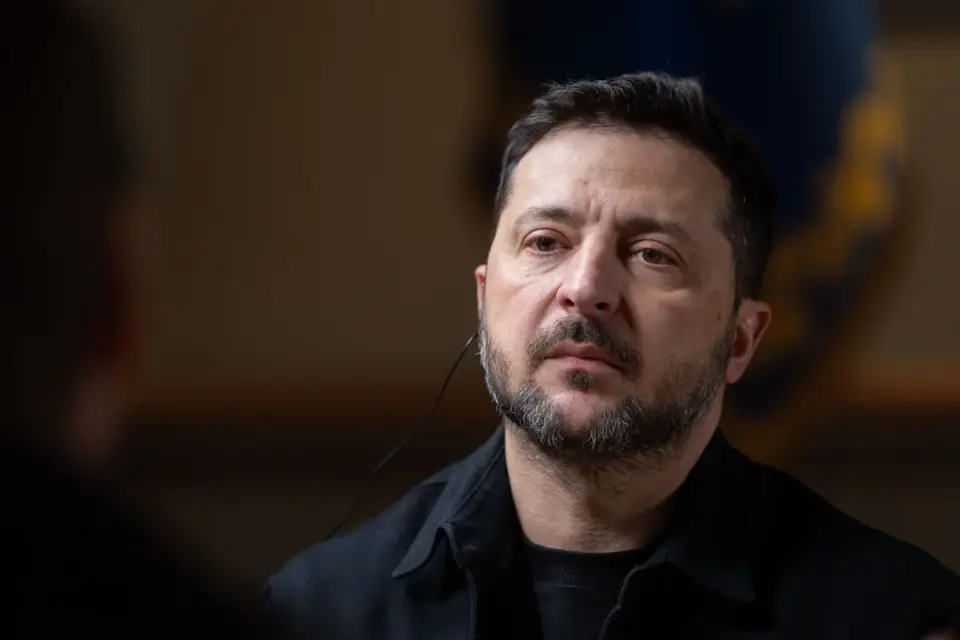
President Volodymyr Zelensky told Danish lawmakers that Russian demands for security guarantees are a pretext for maintaining the ability to use force against neighbors. He argued that Moscow’s history of initiating conflicts since World War II proves it seeks freedom of action rather than protection. This stance aligns with the recent Abu Dhabi trilateral talks, where Ukraine rejected territorial concessions, while Russia insisted on a new European security order that halts NATO expansion. Despite a prisoner exchange deal, no agreement was reached on territory or a full ceasefire. Zelensky also warned that Ukraine faces a critical shortage of Patriot interceptors, as US supplies are diverted to the Middle East, leaving Ukrainian cities vulnerable to Russian ballistic attacks ahead of the fifth winter of war.
Key points
- Zelensky stated that Russia’s request for security guarantees is a cover for keeping a free hand to use force, noting no one has attacked Russia in decades.
- The second day of trilateral talks in Abu Dhabi concluded with a large-scale prisoner exchange but no agreement on territory or a broader ceasefire.
- Russia’s delegation demanded a new European security order, including a halt to NATO enlargement and reduced alliance presence in post-1997 member states.
- Ukraine’s negotiators argued that no broader framework could be established before a full ceasefire, while Russia pressed for nonaggression pacts with individual NATO members.
- Zelensky warned that Patriot missiles are being diverted to the Middle East, leaving Ukraine unable to protect its cities from Russian ballistic missile attacks.
- A massive Russian attack on November 2-3 knocked three power plants offline, forcing emergency electricity cuts in Kyiv and surrounding regions.
Background
This development follows Zelensky’s recent rejection of Donbas concessions and his call for a ceasefire along current front lines. In October, he secured €70 billion in EU funding to sustain defense through the winter, highlighting tensions with the US over Patriot shortages and Starlink restrictions. Earlier in September, Zelensky warned of Russian 'shadow mobilization' and increased mercenary recruitment, indicating ongoing military pressure despite diplomatic efforts.
Why it matters
The inability to agree on territorial issues and security frameworks risks prolonging the conflict into its fifth winter, with potential severe humanitarian impacts due to energy infrastructure attacks. The diversion of critical defense assets like Patriot missiles to other theaters exacerbates Ukraine’s vulnerability, while the lack of European participation in direct talks may weaken the long-term stability of any negotiated settlement.
What to watch
US envoys Steve Witkoff and Jared Kushner are scheduled to meet Russian President Vladimir Putin in Moscow on November 12, followed by a meeting with Zelensky in Ireland. Ukraine’s delegation suggests the next round of talks should be scheduled after these meetings, with hopes of reaching a settlement before the New Year, though progress remains contingent on resolving the territorial impasse.
Want the full story? Read the original reporting
Read on Kyiv Post