
Peru Halts Anchoveta Fishing Amid Record El Niño, Triggering Global Supply Crisis
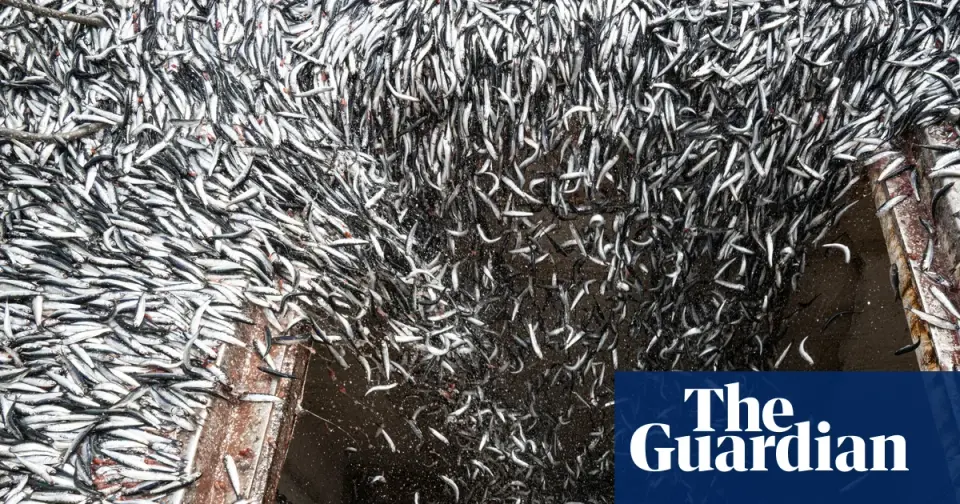
Peru has fully suspended its anchoveta fishing season for 2026 due to a severe El Niño event, causing a 30.7% contraction in the sector and threatening global fishmeal supplies. The government prioritized stock sustainability over economic losses, while industry groups demand emergency financial aid.
Key points
- Peru suspended all anchoveta fishing in June 2026, extending the closure indefinitely in August after only 24% of the 1.9 million tonne quota was harvested.
- The Peruvian central bank forecasts a 30.7% contraction in the fishing sector and 78,000 job losses in 2026, with a potential $1.4 billion economic impact if the second season is also cancelled.
- Global fishmeal prices have nearly doubled to $3,500 per tonne, impacting aquaculture and livestock feed costs worldwide, as Peru supplies roughly 20% of global fishmeal.
- The suspension was driven by warming waters from a 'super El Niño' that threatens plankton populations and juvenile anchoveta, with climatologists calling it the most severe event since the 1880s.
- The Peruvian government is considering direct cash assistance for affected families and loan guarantees for businesses, while industry leaders call for tax reductions and regulatory flexibility.
Background
Peru’s anchoveta fishery has historically experienced volatile cycles linked to El Niño events and overfishing. Previous collapses in 1973 and 1984 led to stricter regulations, and the industry was privatized in 1992. Recent years have seen declining average harvests despite improved management, with the 2025 season also ending early due to concerns over juvenile populations.
How outlets are covering it
The Peruvian government, led by Minister Juan Carlos Requejo, defended the closure as a necessary conservation measure to ensure long-term sustainability, stating that 'sustainability takes precedence over any short-term decision.' In contrast, industry representatives like Jessica Luna of the National Fisheries Society described the sector as 'in the ICU' and demanded 'extraordinary action,' including direct cash payments, loan guarantees, and tax relief. While the government focuses on ecological preservation, the industry emphasizes the immediate economic devastation affecting 250,000 workers and the global supply chain. Credicorp Capital views the El Niño risks as cyclical rather than structural, maintaining a positive medium-term outlook for Peru’s economy despite short-term disruptions.
Why it matters
The anchoveta closure highlights the escalating economic and ecological impacts of climate change on global food systems. As Peru supplies a significant portion of the world’s fishmeal, disruptions directly affect feed costs for aquaculture and livestock, potentially raising food prices globally. The event also underscores the tension between environmental sustainability and economic stability in resource-dependent economies, setting a precedent for how nations may respond to future climate-driven resource shocks.
What to watch
The Peruvian government is preparing legislation to request a supplementary credit allocation of PEN 8 billion from Congress to support affected sectors. Industry associations are coordinating with local authorities to provide emergency assistance to communities. The outcome of the Operation Eureka LXXVIII stock assessment will determine if the 2026 second season is officially cancelled, with preliminary reports suggesting it will be due to high sea temperatures and juvenile presence.
- A perfect storm: how the super El Niño is devastating the fishing industry The Guardian
- Peru: Civil Society Demands a Contingency Plan to Address the El Niño Phenomenon Pressenza - International Press Agency
- Peru's El Niño just hit its highest alert level. Electricity prices may follow. Latin Times
- Farmers, fishers demand immediate El Niño aid as losses mount AlterMidya
- Peruvian government eyes direct payments to El Niño-affected fishing families; industry calls for more action SeafoodSource
Want the full story? Read the original reporting
Read on The Guardian