
APEC Summit Ends Without Resolving U.S.-China Trade or Tech Tensions
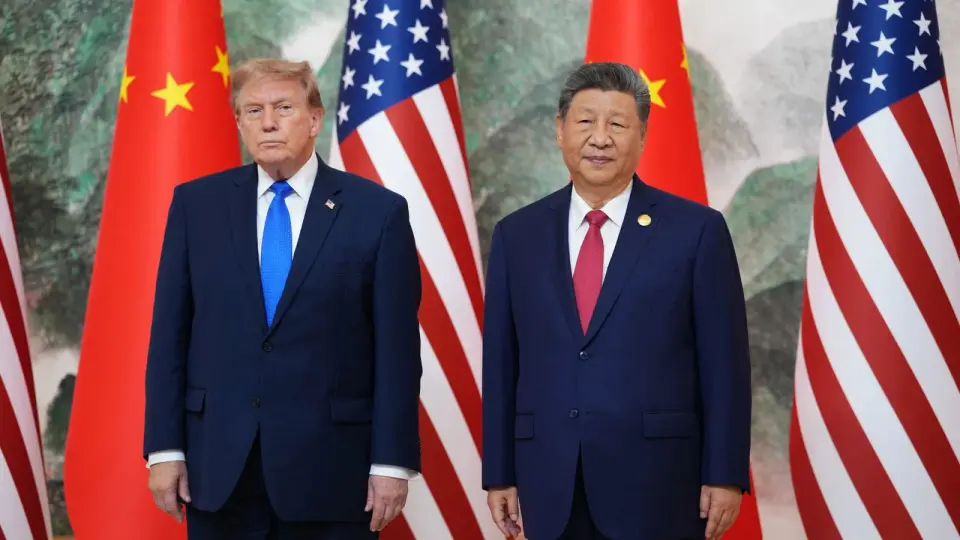
The Asia-Pacific Economic Cooperation (APEC) summit in Shenzhen concluded with a historic trilateral meeting between U.S. President Donald Trump, Chinese President Xi Jinping, and Russian President Vladimir Putin, but failed to produce concrete agreements on trade, tariffs, or semiconductor restrictions. While the leaders issued a joint declaration on nuclear risk reduction and oil production, key economic issues remained unresolved, leaving global markets without the certainty they sought. Taiwan, a key APEC member, was largely sidelined despite its critical role in global tech supply chains, and U.S.-China tensions over advanced chips persisted amid recent leadership turmoil at Nvidia.
Key points
- Trump, Xi, and Putin met for the first time in a trilateral session, issuing a joint declaration on nuclear risk reduction, UN reform, energy security, and diplomatic immunity, but without specific implementation timelines or production targets.
- No major announcements were made regarding further tariff reductions, the extension of rare earth exports beyond a January deadline, or the easing of U.S. restrictions on advanced semiconductor exports to China.
- Taiwan, represented by Acer founder Stan Shih, did not feature prominently in the summit, despite being a key APEC member and a central issue in U.S.-China relations; key local elections in Taiwan are scheduled for November 28.
- Elon Musk, who was expected to accompany Trump, was not seen at major APEC events and instead visited Tesla’s Shanghai factory, raising questions about the extent of U.S. business engagement with China.
- Japanese Prime Minister Sanae Takaichi, the first Japanese leader to visit China in seven years, received a cool reception and emphasized the Quad Summit over APEC, citing strong opposition to unilateral changes to the status quo.
Background
The APEC summit in Shenzhen followed a series of high-level diplomatic engagements, including a Quad meeting in the Philippines and bilateral talks with Thailand. The summit was held amid ongoing tensions over U.S.-China trade, semiconductor restrictions, and the Russia-Ukraine conflict. Previous coverage noted that Xi had welcomed Trump at the airport, a gesture not seen since he took office, and that Taiwan had been largely sidelined in prior discussions, with Beijing intensifying gray-zone tactics to assert influence without triggering open conflict.
How outlets are covering it
CNBC emphasized the lack of concrete progress on trade and tech issues, noting that the trilateral meeting was more about optics than substance. Economies.com highlighted the market implications of the summit, pointing out that the absence of major economic agreements left global markets vulnerable to renewed trade tensions. Briefs Finance focused on the diplomatic dynamics, noting that Taiwan was largely sidelined and that Elon Musk’s absence from major events raised questions about U.S. business engagement with China. All three sources agreed that the summit failed to produce the breakthroughs that global markets and businesses were seeking.
Why it matters
The lack of concrete agreements on trade and tech issues leaves global markets uncertain about the future of U.S.-China relations, which could have significant implications for supply chains, semiconductor exports, and global economic growth. The sidelining of Taiwan, a key player in global tech supply chains, raises concerns about the stability of the region and the potential for further tensions. The absence of progress on nuclear risk reduction and oil production could also have implications for global energy markets and geopolitical stability.
What to watch
The next steps will depend on whether the political commitments announced in Shenzhen translate into concrete changes in trade restrictions, energy policies, and international sanctions. Key dates to watch include the November 28 elections in Taiwan and any further negotiations between the U.S. and China on trade and tech issues. The market will also be watching for any signs of progress on the Russia-Ukraine conflict, which could have implications for global energy markets and geopolitical stability.
- U.S.-China trade, Taiwan and tech tensions remain unresolved as Trump returns from Asia CNBC
- Bitter division Global Times
- Key takeaways from speeches at Apec CEO Summit, including Xi and Putin addresses South China Morning Post
- Trump's Asian summit offers limited breakthroughs as global markets await concrete economic agreements Economies.com
- Trump, Xi and Putin Meet at APEC in Shenzhen Briefs Finance
Want the full story? Read the original reporting
Read on CNBC