
Serbia’s Alta Bank Closure Leaves Russian Expats Facing Financial Ruin
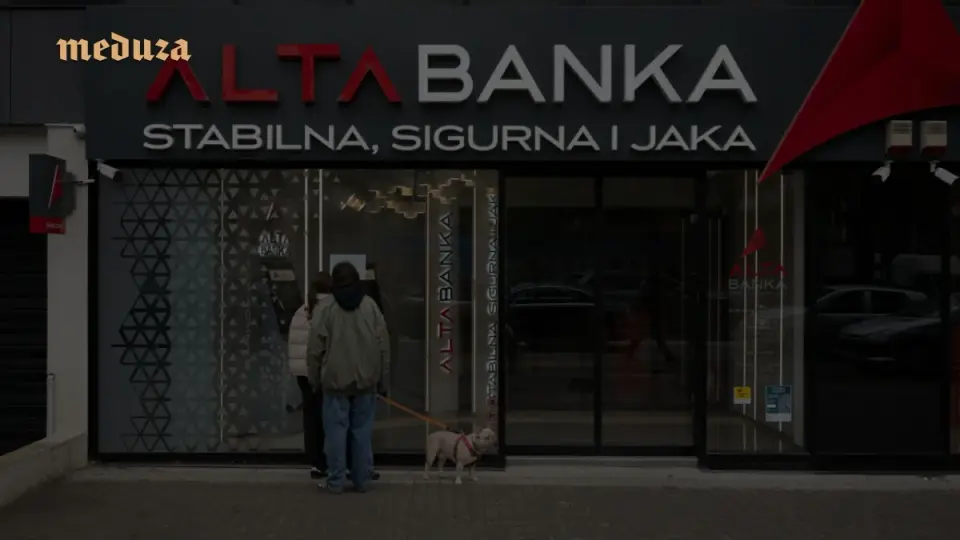
On October 30, Serbia’s central bank revoked the license of Alta Bank, freezing assets for thousands of Russian expatriates who relied on it as one of the few accessible financial institutions. While the Deposit Insurance Agency guarantees payouts up to 50,000 euros, many clients hold significantly larger sums, leaving them without access to funds for daily expenses, business operations, or property purchases. The sudden closure has created a crisis for individuals who used Alta to receive salaries, transfer proceeds from Russian property sales, or manage sole proprietorships, forcing them to seek alternative, often more restrictive, banking options.
Key points
- The National Bank of Serbia revoked Alta’s operating license on October 30, citing severe financial deterioration and liquidity risks, with the Deposit Insurance Agency appointed as liquidator.
- Affected clients include Russian emigrants who used Alta for everyday transactions, business accounts, and receiving funds from property sales in Russia, as other Serbian banks have largely refused to open accounts for non-residents.
- The deposit insurance scheme covers up to 50,000 euros, but many clients hold larger amounts, leaving them uncertain about recovering the remainder of their savings through bankruptcy proceedings.
- The closure has disrupted business operations for entrepreneurs and sole proprietors who relied on Alta for client payments, tax filings, and employee salaries, forcing them to seek new banking arrangements.
- Human rights organizations are preparing appeals to the Serbian government to ensure fair treatment of Russian depositors and to clarify the procedure for returning funds to non-citizens.
Background
This crisis follows the recent election defeat of President Aleksandar Vučić and coincides with attempts by Alta’s owner, Davor Macura, to leave the country. Authorities are investigating potential money laundering, and the bank’s parent company faces scrutiny over its retail empire, Idea Market, which employs 7,000 people. The closure has exacerbated tensions between Russian expatriates and Serbian society, with some locals mocking the affected Russians, while others defend their right to financial access.
Why it matters
The Alta Bank closure highlights the precarious financial situation of Russian expatriates in Serbia, who have faced increasing restrictions on banking access. The crisis underscores the risks of relying on a single financial institution and the potential consequences of abrupt regulatory actions. It also raises questions about the fairness and transparency of the deposit insurance process for non-citizens, as well as the broader implications for financial stability in the region.
What to watch
The Deposit Insurance Agency is expected to publish the full procedure for returning insured funds by Monday, with payouts to begin within seven business days. Affected clients are planning to consult with lawyers and potentially join collective lawsuits to recover the remaining amounts. Human rights organizations are preparing petitions to the Serbian government, demanding precise deadlines for fund returns and urgent action to ensure that Russians can open accounts at other Serbian banks.
Want the full story? Read the original reporting
Read on Meduza