
El Niño Drought Forces Panama Canal to Slash Daily Ship Transits to 32
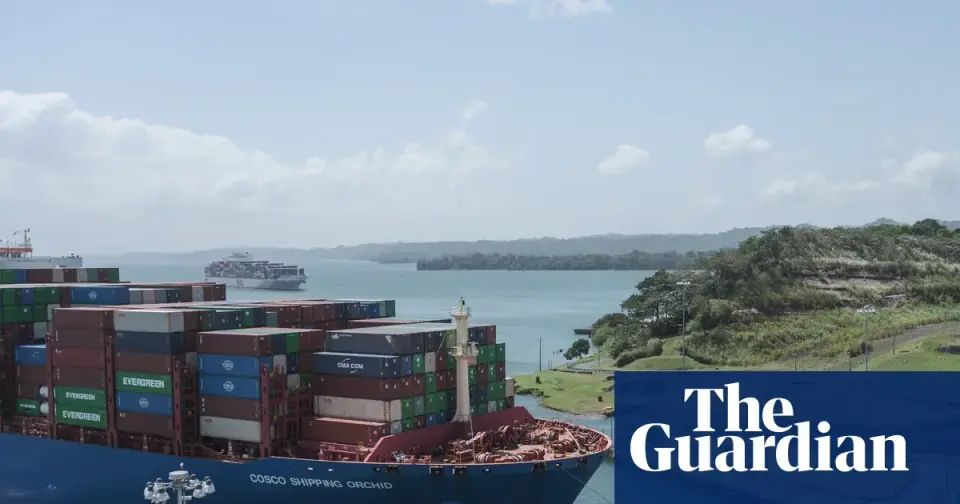
The Panama Canal Authority announced a reduction in daily vessel transits from 36 to 32 starting September 15, 2026, due to severe drought conditions caused by El Niño. This move aims to preserve water levels in the canal's artificial lakes, which are critical for both shipping and the drinking water supply of half of Panama's population. The restrictions follow a phased reduction beginning September 3, where daily limits drop to 34 vessels. Rainfall in the canal's watershed is 34% below historical averages, and the current El Niño event is expected to be one of the strongest on record. These cuts threaten to increase shipping costs and transit times, impacting global trade routes that handle 5% of maritime commerce and 40% of US container traffic. The canal operator has already implemented water-saving measures, including limiting draft depths for large ships, and warns that further restrictions may be necessary if rainfall remains low. The situation exacerbates existing supply chain pressures, particularly for cold-chain goods and energy shipments, as companies seek alternative routes or pay premium auction prices for priority transit slots.
Key points
- The Panama Canal Authority will reduce daily vessel transits from 36 to 34 starting September 3, 2026, and further to 32 by September 15, 2026, due to low water levels in Gatun and Miramar lakes.
- Rainfall in the canal's watershed from May to August 2026 is 34% below historical averages, driven by a severe El Niño weather pattern that is expected to be one of the strongest on record.
- The canal handles approximately 5% of global maritime trade and 40% of US container traffic, making the restrictions significant for global supply chains, particularly for large retailers and energy companies trading between Asia and the US.
- The water levels in the canal's lakes also provide drinking water for half of Panama's 4.2 million population, making water conservation a critical domestic issue alongside trade operations.
- The canal operator has already implemented water-saving measures, including lowering the maximum draft for the largest ships, and warns that further restrictions may be necessary depending on rainfall in the coming weeks.
- Waiting times for ships without reservations are expected to increase, and auction prices for priority transit slots have surged, with one shipping company paying $4 million in April 2026 to bypass the queue, compared to an average of $135,000 before the Iran war.
Background
This development follows earlier coverage in August 2026, where the Panama Canal Authority announced initial transit reductions due to El Niño-driven drought. Previous reports highlighted the impact on consumer prices, with the US feeling the brunt of higher transit costs for medicines, goods, and energy. The canal's water levels had already been lowered, prompting stricter draft limits and higher auction prices. Panama has been pursuing water-storage projects and fuel pipelines to mitigate future bottlenecks, but the current El Niño event is more severe than the 2023 drought, which saw daily transits cut from 38 to 22. The 2023 restrictions led to a bottleneck of ships waiting for their turn and forced companies to find alternative routes. The current situation is compounded by the Iran war, which has reduced traffic through the Strait of Hormuz, making the Panama Canal even more critical for global trade.
How outlets are covering it
The Guardian emphasizes the direct impact of El Niño on the canal's water levels and the phased reduction in daily transits, highlighting the canal's role in global trade and the potential for further restrictions. CNN focuses on the consumer impact, noting how the drought will affect prices for everyday goods, though the article is largely obscured by JavaScript code. The BBC provides a broader context, linking the El Niño event to global weather patterns and the canal's importance as a source of income for Panama, bringing in about $3 billion annually. The Journal of Commerce highlights the impact on the cold-chain ocean market, noting that El Niño will affect crop yields in South America, which is a major source of fresh produce for North America and Europe. All sources agree on the severity of the El Niño event and the need for water conservation, but they differ in their emphasis: The Guardian and BBC focus on the canal's operational and economic impact, while CNN and the Journal of Commerce highlight the downstream effects on consumers and specific trade sectors. The Guardian and BBC also note the potential for further restrictions, while the Journal of Commerce focuses on the impact on cold-chain goods.
Why it matters
The Panama Canal is a critical artery for global trade, and any disruption to its operations has far-reaching consequences. The current El Niño-driven drought is not only affecting the canal's ability to handle the volume of ships it normally processes but is also threatening the drinking water supply for half of Panama's population. This dual impact underscores the vulnerability of the canal to climate change and the need for sustainable water management. The reduction in daily transits will likely lead to higher shipping costs, longer transit times, and increased congestion, which will ripple through global supply chains and affect consumer prices. The situation is further complicated by the Iran war, which has reduced traffic through the Strait of Hormuz, making the Panama Canal even more critical for global trade. The current El Niño event is expected to be one of the strongest on record, and if rainfall remains low, the canal may need to implement further restrictions, which could have significant economic and social impacts. The canal's operator has already implemented water-saving measures, but the situation remains precarious, and the future of the canal's operations depends on the outcome of the current El Niño event.
What to watch
The Panama Canal Authority will monitor rainfall in the coming weeks and may implement further restrictions if water levels continue to drop. The phased reduction in daily transits will continue, with the final cut to 32 vessels per day taking effect on September 15, 2026. The canal operator will likely prioritize larger Neopanamax ships and allocate slots by cargo type to maximize efficiency. Companies will need to plan for longer transit times and higher costs, and may seek alternative routes or pay premium auction prices for priority transit slots. The situation will also impact the cold-chain ocean market, as El Niño affects crop yields in South America, which is a major source of fresh produce for North America and Europe. The canal's operator will continue to implement water-saving measures, including limiting draft depths for large ships, and may pursue additional water-storage projects and fuel pipelines to mitigate future bottlenecks. The situation will also have a significant impact on consumer prices, as higher transit costs will ripple through global supply chains and affect the cost of everyday goods.
- Panama canal to reduce shipping as El Niño strikes vital route The Guardian
- One ship paid $4 million to skip the Panama Canal line. Here’s why that matters for your wallet CNN
- Panama Canal to cut number of ships passing through due to El Niño BBC
- El Niño adds to an already stressed cold-chain ocean market Journal of Commerce
- Panama Canal to cap ship transits due to El Nino drought DW.com
Want the full story? Read the original reporting
Read on The Guardian