
Panama Canal Cuts Capacity Amid El Niño, Driving Record Transit Costs
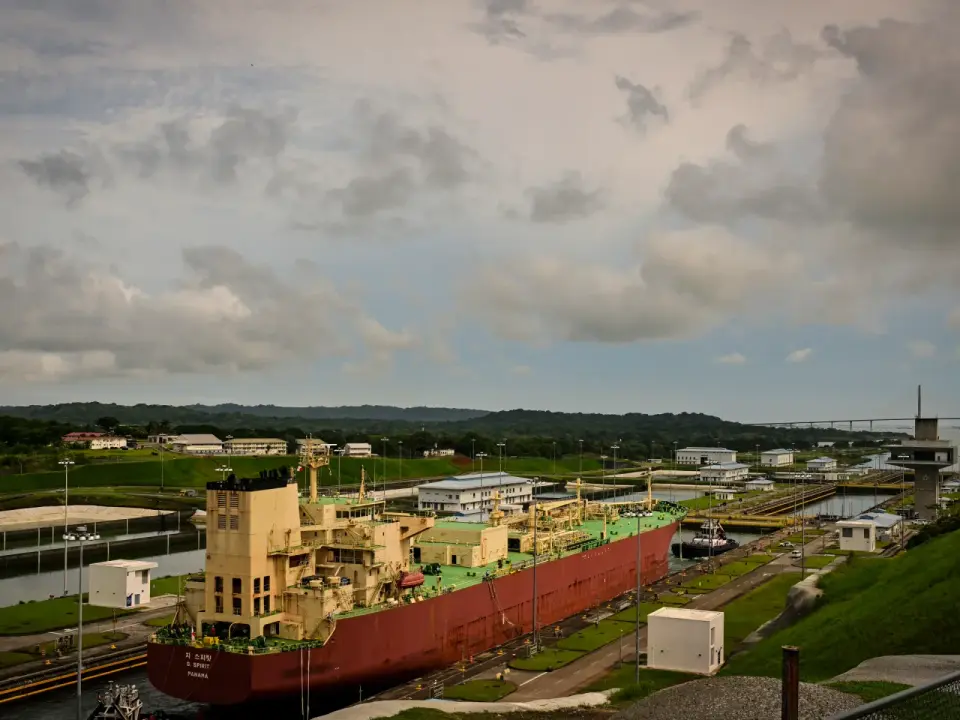
The Panama Canal is reducing daily vessel limits to 34, then 32, due to El Niño-driven drought, while surging demand from the Strait of Hormuz crisis has tripled transit auction prices to record levels.
Key points
- The Panama Canal Authority (ACP) is lowering daily transit caps to 34 vessels starting this week, dropping to 32 on September 15, due to low water levels caused by El Niño.
- Rainfall in the canal area from May to August is 34 percent below the historical average, prompting water conservation measures like reduced draft limits for large ships.
- Transit slot auction prices have tripled, reaching a record $5.3 million for a single South Korean vessel, as demand surges from rerouted oil and gas shipments.
- The ACP has relaxed Neopanamax booking rules, allowing multiple reservations per date and slot swaps, to better distribute limited capacity among container and LPG carriers.
- Analysts warn the bottleneck will persist for six to nine months, potentially pushing freight rates higher and forcing some vessels to reroute around the Cape of Good Hope.
Background
This development follows earlier warnings in August that El Niño conditions would force the canal to cut daily transits from 36 to 34, and later to 32, as drought lowered water levels in Gatun Lake. Previous coverage noted that these restrictions were expected to ripple through global supply chains, increasing costs for consumer goods and energy, while Panama pursued water-storage projects to mitigate future bottlenecks. The current crisis is compounded by the Strait of Hormuz conflict, which has redirected oil and gas flows toward the Americas, increasing demand for the canal's limited capacity.
How outlets are covering it
Al Jazeera emphasizes the macroeconomic impact, noting that the canal handles 5 percent of global maritime trade and 40 percent of US container traffic, and that the Hormuz crisis has driven US crude exports to record levels. gCaptain focuses on operational logistics, detailing how the ACP is relaxing Neopanamax booking rules to allow multiple reservations and slot swaps, aiming to distribute capacity more equitably among vessel types. Both sources agree that the drought is severe, but Al Jazeera highlights the long-term 'slow-burning crisis' predicted by analysts, while gCaptain notes the immediate pressure on vessels arriving without reservations, with up to 18 ships competing for a single slot.
Why it matters
The dual pressure of El Niño drought and rerouted global trade is creating a severe bottleneck at a critical chokepoint. As transit slots become scarce and expensive, freight rates are likely to rise, affecting the cost of goods from Asia to the US East Coast and energy exports from the US Gulf. The situation could persist into 2027, forcing companies to rethink supply chain routes and potentially accelerating the shift toward alternative logistics corridors.
What to watch
The ACP will continue monitoring rainfall and water conditions, with potential further adjustments to transit limits if the drought worsens. Shipping companies are expected to adapt by consolidating cargo into larger vessels to maximize water efficiency, while some may reroute around the Cape of Good Hope to avoid the canal's high costs and delays. The impact on global trade is likely to unfold over the next six to nine months, with freight rates and transit times remaining under pressure.
- Panama Canal restricts traffic amid Hormuz crisis: Why this matters Al Jazeera
- How El Nino is choking the Panama Canal Phys.org
- Panama Canal Loosens Neopanamax Booking Rules as Capacity Tightens gCaptain
- Droughts hit key shipping routes, adding pressure to energy markets Heavy Lift & Project Forwarding International
- El Niño Strengthens, Raising New Concerns for Panama Canal gCaptain
Want the full story? Read the original reporting
Read on Al Jazeera