
Nepal Flood Crisis: Bodies Pile Up as Rescue Teams Face Impossible Odds
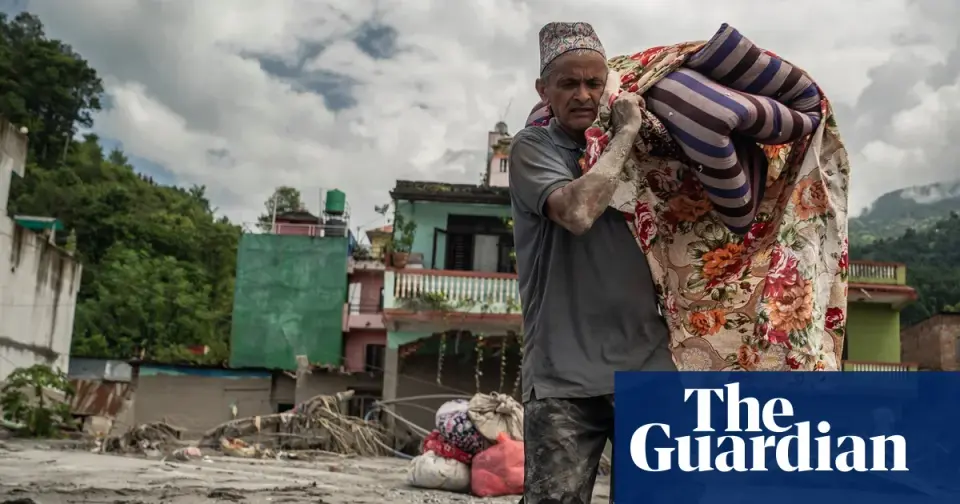
The death toll from the August 2026 Himalayan floods has reached 804, with morgues overflowing and over 3,000 people still missing. While USGS data confirms the event was a massive glacial debris flow, rescue efforts remain stalled by thick mud and inaccessible terrain. Survivors of trapped hydropower tunnels describe harrowing escapes, but many workers remain unaccounted for.
Key points
- The confirmed death toll in Nepal and Tibet has risen to 804, with over 3,000 individuals still missing.
- Morgues are overwhelmed; mass burials have begun in Bharatpur, and DNA sampling is used for unidentified bodies.
- USGS analysis indicates the disaster was triggered by a glacial collapse equivalent to a magnitude 5.2 earthquake, traveling 100 km.
- Rescue operations at the Trishuli 3A hydropower plant are ongoing, with air pumped into tunnels for potentially 100 trapped workers.
- Survivors report losing all clothing and belongings, with many families abandoning their homes due to ongoing river risks.
Background
This disaster follows a series of earlier reports in August 2026 detailing the initial glacial collapse and subsequent flooding. Previous coverage noted rising death tolls, international aid pledges, and warnings of secondary glacial lake threats. The current situation reflects the long-term aftermath of that initial event, with focus shifting from immediate rescue to recovery and identification.
How outlets are covering it
The Guardian emphasizes the humanitarian crisis, highlighting the overwhelming burden on morgues and the emotional toll on survivors like Usha Nepali, who lost her home. CNN focuses on the technical and human drama of the hydropower tunnel rescues, detailing the struggles of workers like Ram Chandra and the efforts to reach trapped colleagues. USGS provides a scientific perspective, confirming the event as a glacial debris flow with seismic energy equivalent to a magnitude 5.2 earthquake, and noting the geological history of the area, including a similar event in 2015.
Why it matters
The scale of the disaster, with hundreds dead and thousands missing, highlights the vulnerability of communities in the Himalayas to glacial events. The ongoing rescue efforts and identification challenges underscore the long-term impact of such disasters on local populations and infrastructure.
What to watch
Rescue teams will continue efforts to reach trapped workers in hydropower tunnels, while authorities work to identify and bury the dead. Long-term recovery and rebuilding efforts will be crucial, especially in areas like Devighat, where residents fear they cannot return.
- Devastated by floods and overwhelmed by bodies, Nepalis weep for what remains of their homes The Guardian
- Before Nepal’s Floods, Hindu Pilgrims Sought the Divine at Mount Kailash The New York Times
- State Department official says about 85 Americans still missing after Nepal flash flooding The Hill
- These men had a hellish escape from Nepal’s flooded hydro tunnels. They were the lucky ones CNN
- 2026 Nepal Debris Avalanche and Flash Flood | U.S. Geological Survey usgs.gov
Want the full story? Read the original reporting
Read on The Guardian