An outbreak of meningococcal meningitis in Berkshire has killed one student and left two others ill, with cases linked to Reading; UKHSA says the risk to the wider public remains low, close contacts are being given antibiotics, and vaccination reminders are issued.
A teenage student, Lewis Waters, died after contracting meningitis; his family described him as funny and kind and said they are devastated. Two other pupils from local Reading-area schools are being treated, with UKHSA tracing a social network linking the cases and offering antibiotics to close contacts. One case has been confirmed as meningitis B, while the other two await results; officials say the broader public risk is low and urge up-to-date vaccinations (including MenACWY) for those up to age 25, along with awareness of meningitis symptoms.
A virtual Emergency scientific consultation on Andes Virus medical countermeasures (MCM) R&D is convened by WHO's R&D Blueprint and CORC (led by UKHSA) to review current evidence and set immediate priorities for coordinated research, including diagnostics, therapeutics, and vaccine development.
Six people evacuated from a cruise ship after a hantavirus outbreak have completed 72 hours of isolation at Arrowe Park Hospital and are heading home or to suitable accommodation, with negative tests and ongoing UK public‑health monitoring; the rest of the 22 people isolating there remain asymptomatic, while additional passengers and crew are being repatriated or monitored under precautionary measures.
An outbreak of hantavirus on the cruise MV Hondius has led to evacuations and a worldwide contact-tracing effort after several deaths; health authorities say the Andes strain can spread in close contact but the overall risk to the general public remains very low, with British passengers facing 45 days of self-isolation as investigations continue.
Two Britons have self-isolated in the UK after potential hantavirus exposure on the virus-hit MV Hondius off Cape Verde. The ship has three deaths, is being evacuated to the Canary Islands, and UK authorities are coordinating medical evacuations and contact tracing, with the public risk deemed very low.
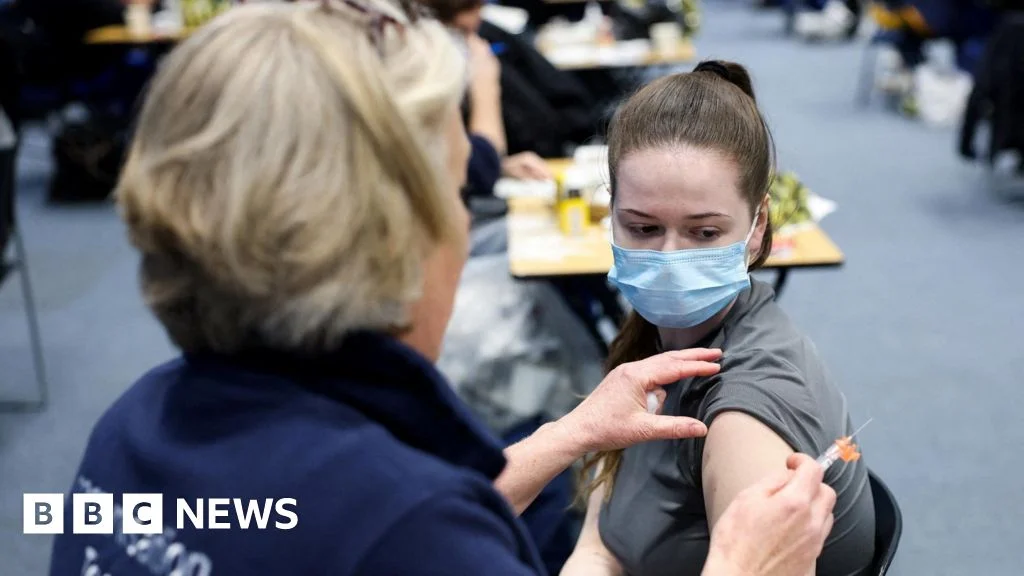
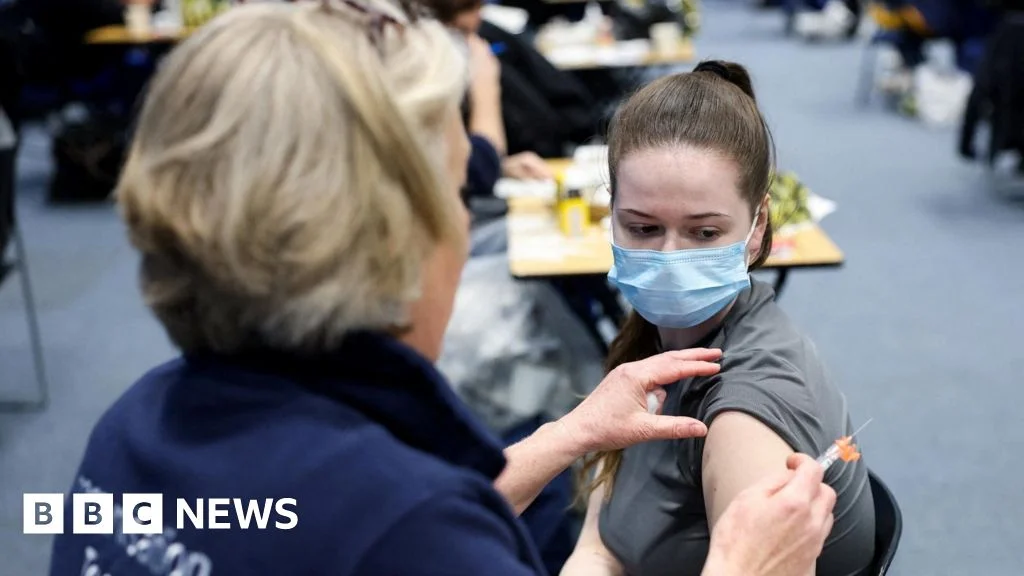
UKHSA says the peak of the Kent meningitis outbreak linked to a Canterbury nightclub has passed, with 29 confirmed or suspected cases and two deaths. Four clinics across Canterbury, Ashford and Faversham are offering vaccines and antibiotics, and more than 10,000 vaccines and about 13,000 antibiotic courses have been administered. Cases may still appear as monitoring continues; the outbreak involves MenB, and routine MenB vaccination does not fully cover late teens.
UK health officials are scrambling to contain an unprecedented meningitis B outbreak linked to a Canterbury nightclub, with 29 cases and two deaths since early March; about 10,000 people have received antibiotics as investigators chase why the outbreak has accelerated and whether it will spread beyond Kent. Questions include when the outbreak will end, whether teenagers should be vaccinated with MenB given its cost, and whether factors like sharing vapes, Saharan dust, or Covid-era immunity gaps played a role; initial genetic testing suggests the strain resembles those in the UK since 2021 and should be vaccine-covered, but researchers will look for mutations that could alter spread or virulence.
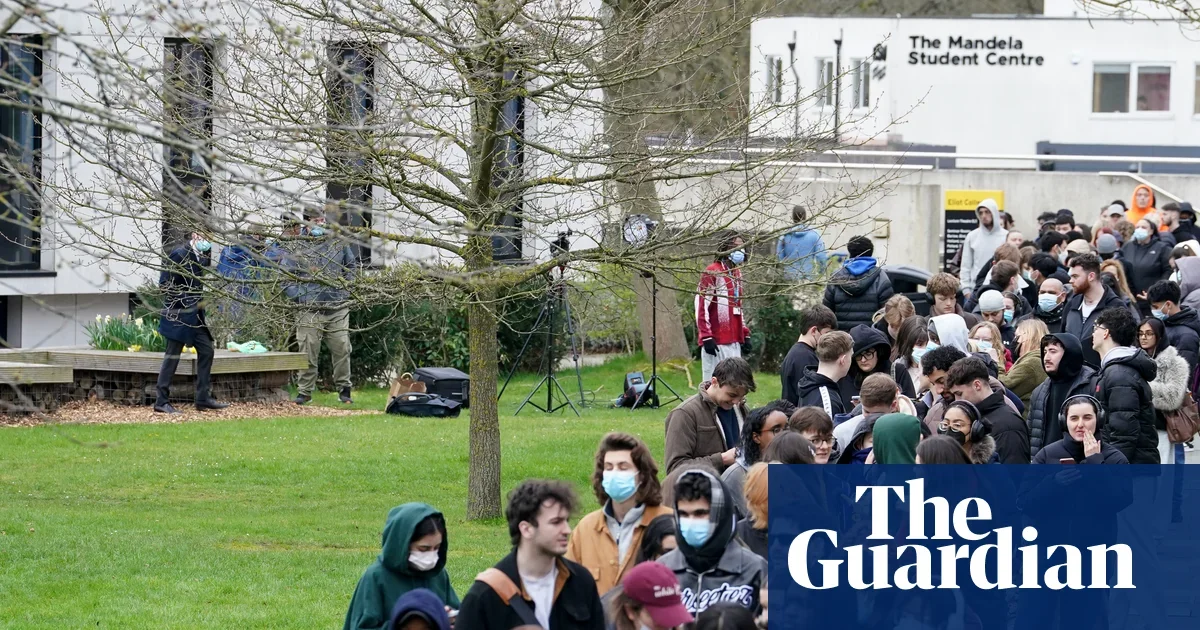
Two deaths and about 20 confirmed or suspected meningitis cases have led to precautionary measures at the University of Kent, with students largely staying in their rooms, wearing masks, long queues for antibiotics, and vaccination efforts underway for around 5,000 students; authorities suspect a nightclub event as a possible source and warn more cases may follow.
An explosive outbreak of invasive meningococcal disease linked to Canterbury’s Club Chemistry has reached 20 cases and two deaths as of 17 March, with the MenB strain confirmed. Health officials have launched antibiotics distribution and a targeted MenB vaccination program for University of Kent students living in halls, and JCVI may be asked to re-examine Teen MenB vaccination eligibility. UKHSA notes MenB accounts for about 80% of recent UK cases, and experts say the Canterbury outbreak’s pace and scale are unprecedented.
A meningitis outbreak in Kent (with cases also in London) has been upgraded to a national health incident after cases rose from 15 to about 20, many linked to Canterbury’s Club Chemistry. Officials warn of rapid, potentially super-spreader transmission, including the deaths of an 18-year-old sixth-form pupil and a 21-year-old University of Kent student, and a nine‑month‑old baby is critically ill. Authorities have distributed antibiotics to some 700 students and will offer MenB vaccination to about 5,000 Kent students while investigating the outbreak’s origin and whether a mutant MenB strain is involved. No school closures have been announced as containment efforts continue.
Two people have died from meningitis in Kent amid an outbreak centred on Canterbury (15 confirmed cases), with health authorities coordinating a rapid response, a targeted vaccination plan for University of Kent students, and widespread antibiotic provision while the campus remains open.
Two people have died and 11 others infected in an invasive meningococcal disease outbreak in southern England, linked to student populations in Canterbury and the University of Kent. The UK Health Security Agency says it is working with the university to identify close contacts and administer antibiotics to curb spread; one victim was a high school student in Faversham. Meningococcal disease can rapidly progress to meningitis and septicemia, so early recognition and treatment are crucial. The specific strain hasn’t been confirmed, and while MenB vaccination exists in the UK, boosters for teens are not universally provided.
Two people have died and 11 others are seriously ill in a Kent meningitis outbreak. The UK Health Security Agency has contacted around 30,000 people in Canterbury; close contacts are receiving antibiotics as a precaution, while vaccination is expected later. The University of Kent is moving some events online and a Canterbury nightclub, Club Chemistry, remains closed as authorities investigate and manage the response.
Two young adults aged 18-21 have died from an outbreak of invasive meningitis at the University of Kent, with about 11 more people in Canterbury hospitals. The UK Health Security Agency is arranging antibiotics for exposed students and staff and is investigating a possible link to a campus social event. Authorities have notified more than 30,000 people connected to the university while tracing close contacts and advising vigilance for meningitis symptoms.