
Wearable Sleep Trackers Fail to Capture Subjective Sleep Quality, New Review Finds
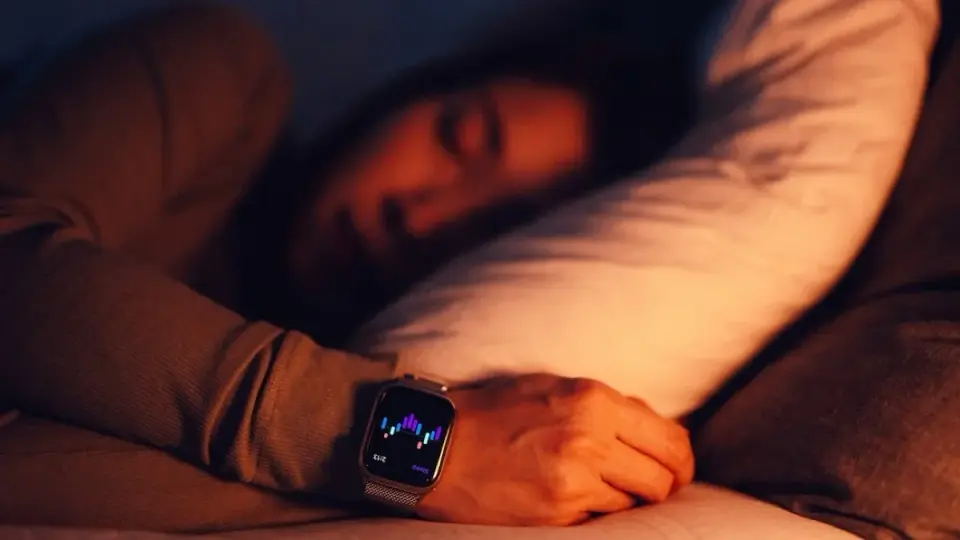
A new systematic review indicates that popular wrist-worn sleep trackers, such as Fitbit and Apple Watch, often fail to accurately reflect a user's subjective sleep quality. While these devices can measure sleep duration, they poorly correlate with how refreshed or tired a person feels, particularly among those with insomnia, depression, or older age. Researchers warn that relying on these metrics may delay clinical interventions for sleep disorders.
Key points
- A review published in Sleep Medicine analyzed five studies involving approximately 2,000 participants and found that wearable devices explained only 2.5 to 16.2 percent of the variance in subjective sleep quality.
- Devices often overestimate sleep duration and efficiency in individuals with insomnia, failing to detect frequent nighttime awakenings that contribute to poor sleep satisfaction.
- The review highlights a significant disconnect between objective physiological data and subjective experience, noting that people with depression may perceive sleep as poor despite normal objective metrics.
- Clinicians are advised not to rely solely on wearable data for diagnosing sleep disorders, as this may provide misleading information and delay appropriate treatment.
- The study notes that four of the five analyzed studies used Fitbit devices, while only one examined the Apple Watch, leaving the reliability of other brands untested.
Background
This finding aligns with broader concerns about the limitations of consumer health technology. Previous coverage on sleep-related issues, such as the impact of noise on hotel guests and the link between vitamin D and cognition in older adults with sleep problems, underscores the complexity of sleep health. The current review adds a critical layer by questioning the validity of the data generated by the very devices many people use to monitor these issues.
How outlets are covering it
ScienceAlert emphasizes the clinical implications of the review, warning that misleading data from sleep trackers could delay appropriate medical intervention for patients with sleep disturbances or mental health conditions. The outlet highlights the specific failure of devices to capture the subjective reality of sleep, particularly for older adults and those with insomnia. In contrast, BBC focuses on the behavioral and psychological consequences of sleep tracking, coining the term 'orthosomnia' for the obsession with achieving perfect sleep scores. BBC reports that this fixation can actually worsen sleep quality by increasing anxiety, and cites a lawsuit against Oura alleging that its sleep stage measurements are no more accurate than a coin flip. While ScienceAlert focuses on the diagnostic gap between device data and clinical reality, BBC highlights the potential for trackers to create a cycle of worry and misperception about one's own sleep.
Why it matters
As sleep tracking becomes increasingly integrated into daily wellness routines, the disconnect between objective data and subjective experience poses a significant risk to public health. Relying on inaccurate metrics may lead individuals to dismiss genuine sleep disorders or, conversely, to develop anxiety about their sleep habits. This review underscores the need for more reliable methods for assessing sleep quality and highlights the limitations of current wearable technology in clinical and personal contexts.
What to watch
Researchers and clinicians are likely to continue advocating for the use of validated subjective sleep quality assessment tools, such as sleep diaries, over wearable data for diagnosing sleep disorders. There may also be increased scrutiny on the accuracy claims of sleep tracker manufacturers, potentially leading to more rigorous testing and standardization of these devices. Consumers may need to be educated about the limitations of their sleep trackers and the importance of not over-relying on them for health decisions.
- Scientists Discover a Serious Problem With Sleep Trackers ScienceAlert
- Is sleep tracking making your sleep worse? BBC
- Sleepmaxxing: Are Popular Sleep Hacks Evidence-Based? Medscape
- Sleepmaxxing on a Budget: How to Actually Cool Down a Hot Bedroom Without Running the AC All Night Us Weekly
- Want a Good Night's Sleep? Stop Worrying About Sleepmaxxing—And Ditch the Fitness Trackers inc.com
Want the full story? Read the original reporting
Read on ScienceAlert