
Pompeii Wardrobe Reveals Intimate Details of Roman Life Before Eruption
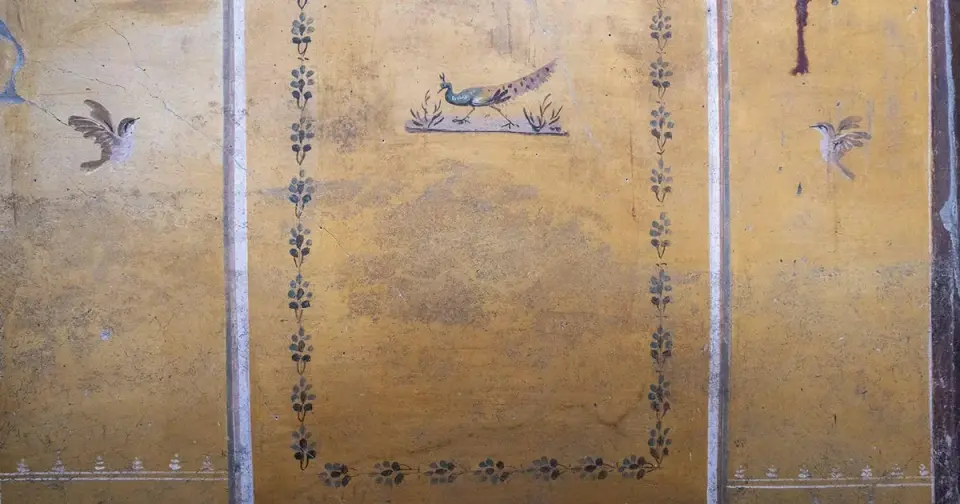
Archaeologists in Pompeii have reconstructed a wooden wardrobe from a house on Via dell'Abbondanza, revealing personal items, coins, and childhood amulets left behind during the AD 79 eruption. The find offers insight into the daily lives and potential fates of the residents, though their identities remain unknown.
Key points
- A sealed closet in a central Pompeii home yielded cosmetics, a bronze lantern, and a 'crepundia' necklace with 24 miniature charms.
- The discovery includes 38 bronze coins in a plant-based container, suggesting owners lacked time to retrieve valuables during the eruption.
- Mouse skeletons found in the home indicate urban pests were a common issue, despite the resident's apparent high standard of living.
- The house, previously excavated in 1912, is tentatively linked to Cornelius Maximus, but the new finds do not confirm the owner's identity.
Background
Pompeii, a UNESCO World Heritage Site, has been the subject of continuous archaeological investigation since its rediscovery. Recent advancements in dating techniques, such as argon-argon calibration, have refined the timeline of the AD 79 eruption. This new discovery adds to a growing body of evidence regarding daily life in the city, complementing earlier finds like a 2,000-year-old love note and evidence of post-eruption habitation.
How outlets are covering it
CBS News and The Independent emphasize the personal and emotional significance of the finds, particularly the 'crepundia' necklace, which served as a childhood amulet. Euronews provides detailed technical descriptions of the artifacts, including the materials used in the necklace and the specific species of mouse found. BBC Science Focus Magazine, while not covering this specific wardrobe, highlights the broader context of AI-driven archaeological breakthroughs in Pompeii and Herculaneum, suggesting a new era of discovery. All sources agree that the items offer a glimpse into daily life but differ in their emphasis on the technical versus the human aspects of the discovery.
Why it matters
This discovery provides a rare, intimate look at the personal lives of ordinary Romans, moving beyond grand architectural or artistic finds to reveal the mundane details of daily existence. It underscores the human cost of the eruption and the resilience of urban life, even in the face of natural disasters. The preservation of such items allows historians to reconstruct the social and economic fabric of Pompeii with greater accuracy.
What to watch
Archaeologists will continue to analyze the artifacts to determine their specific origins and uses. Further excavation of the house may reveal more about its inhabitants. The findings will likely be integrated into broader studies of Roman domestic life and the impact of the Vesuvius eruption on the local population.
- Ancient cosmetics, coins, mouse skeletons found in Pompeii home shed light on life before deadly eruption CBS News
- Pompeii cupboard opens window onto life before Vesuvius erupted Reuters
- In Pompeii, a woman's wardrobe resurfaces with beauty items and jewels Euronews.com
- 'Thought to be lost forever': After 2,000 years, a library buried by Pompeii’s eruption is finally revealing its secrets BBC Science Focus Magazine
- A cupboard sealed for 2,000 years reveals the secrets of Pompeii before deadly volcano The Independent
Want the full story? Read the original reporting
Read on CBS News