Tag

Ancient Rome

All articles tagged with #ancient rome

New Map Traces Rome’s 190,000-Mile Road Network Centered on Constantinople
science20 days ago

New Map Traces Rome’s 190,000-Mile Road Network Centered on Constantinople

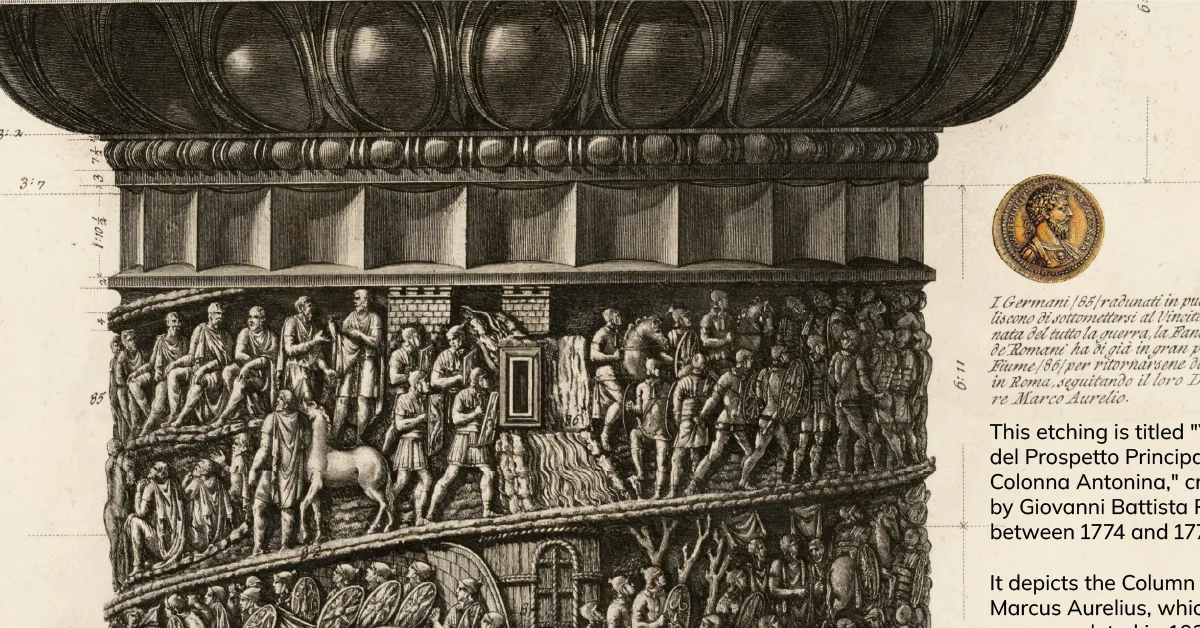
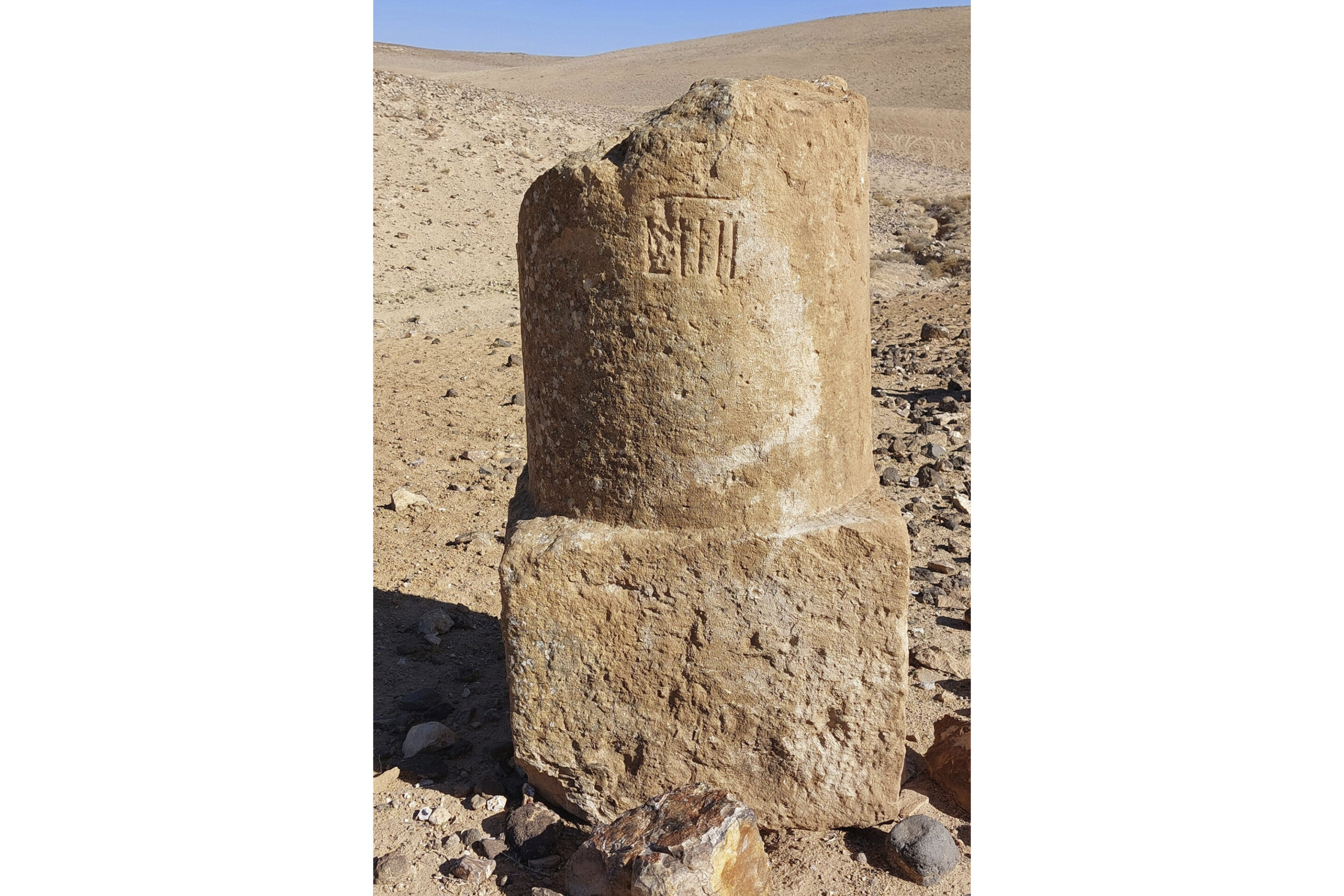
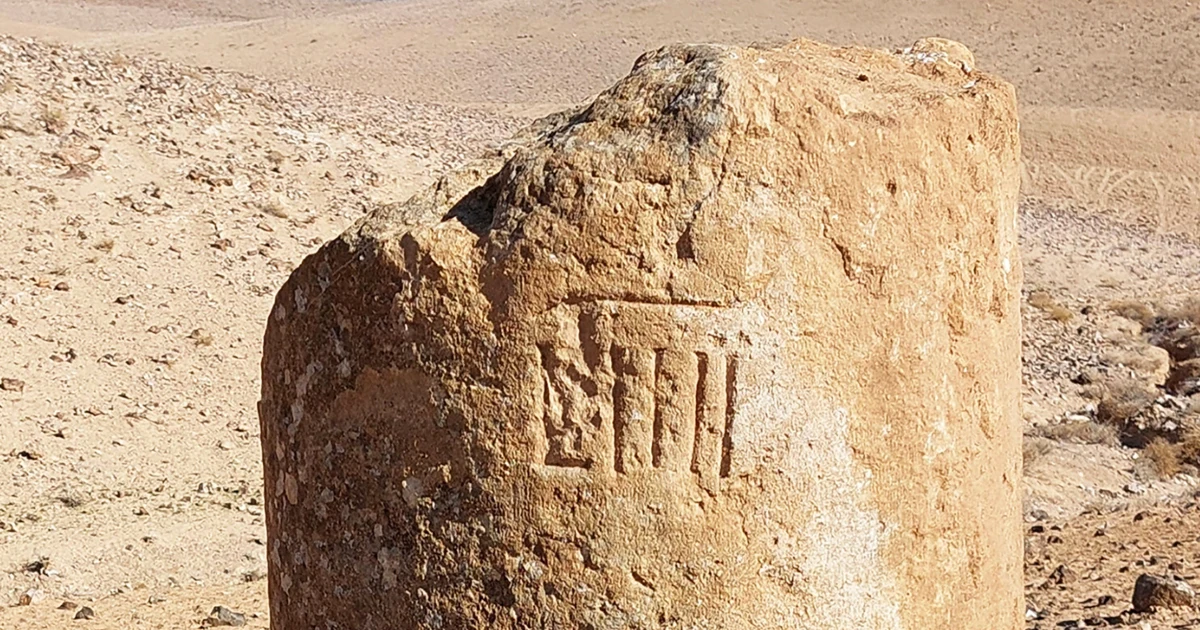
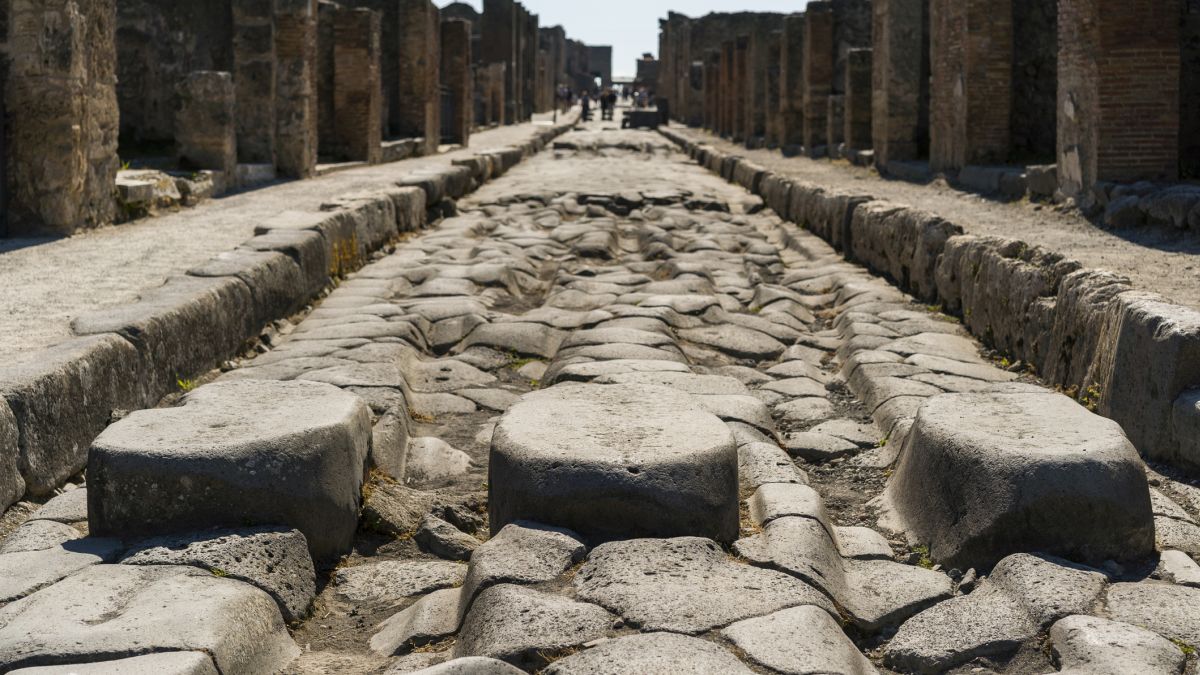
Researchers mapped the Roman Empire’s road network at its peak (2nd–4th centuries AD), totaling about 190,000 miles and showing that central hubs were in Constantinople rather than Rome; roads were built straight with a groma, followed terrain to navigate mountains, and included milestones and desert forts, enabling widespread movement of people, goods, and ideas for centuries after the empire’s height.

Rome’s Hidden Grandeur Unveiled: 1st-Century Painted City and Great Mosaic at Trajan’s Baths
culture1 month ago

Rome’s Hidden Grandeur Unveiled: 1st-Century Painted City and Great Mosaic at Trajan’s Baths

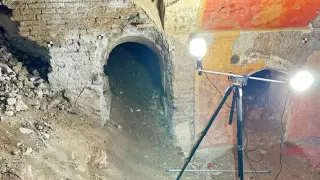
Rome opens a new museum at Trajan’s Baths on Oppian Hill to display what officials call the largest-ever fresco and mosaic complex from ancient Rome: the Painted City and the Great Mosaic, dating to the 1st century AD and uncovered in the 1990s. The artworks, partially restored, reveal a vivid cityscape and intricate architectural scenes, with the site once rising to around 12 meters tall. Access begins with experimental weekend reservations, then expands to Friday–Sunday visits with six daily slots (max 15 people per slot) to protect the heritage.

Emerald the cat and Ocean the dog immortalized in a Roman mosaic from Adramytteion, Turkey
archaeology1 month ago

Emerald the cat and Ocean the dog immortalized in a Roman mosaic from Adramytteion, Turkey

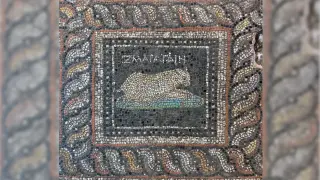
Archaeologists excavating a late 2nd–3rd century AD Roman villa at Adramytteion, Turkey, uncovered a 16-by-11-foot mosaic with 15 panels, including Emerald the cat (named ΖΜΑΡΑΓΔΙΝ, meaning emerald) and Ocean the dog (ΩΚΕΑΝΟΣ), suggesting the pets were household symbols and memory of the villa's inhabitants.

Skeleton in a 1,600-year-old Roman jar hints at a desperate shelter during siege in Bulgaria
archaeology1 month ago

Skeleton in a 1,600-year-old Roman jar hints at a desperate shelter during siege in Bulgaria

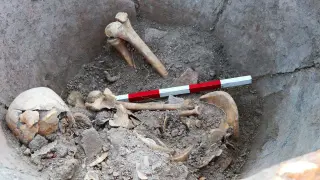
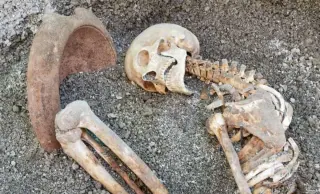
Archaeologists unearthed a giant Roman storage jar (dolium) at Deultum, Bulgaria, containing a young man’s skeleton dating to about AD 400. The find, with two iron knives, a belt, coins, and surrounding burn debris, suggests he sought shelter inside the jar during an attacking force; the team will move the remains to Sofia for analysis and continue excavations of the Late Roman gate.

Dry Tiber Reveals Nero’s 2,000-Year-Old Bridge Ruins in Rome
travel1 month ago

Dry Tiber Reveals Nero’s 2,000-Year-Old Bridge Ruins in Rome

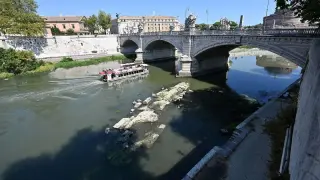
A scorching, dry summer has lowered the Tiber’s flow in central Rome to about 80 cubic meters per second, exposing the remains of the 2,000-year-old Pons Neronianus. While archaeologists believe the bridge dates to Caligula and was later associated with Nero, its visible ruins from the Bridge of Angels offer a rare glimpse into ancient Rome, with full blocks sometimes visible above water this year for the first time since a 2022 drought. The drought, part of a broader heat wave and water crisis in Italy, has also unearthed modern debris upstream and underscores the region’s climate-related challenges.

Ancient Roman Shipwreck off Sicily Unveils Massive Amphora Hoard
world2 months ago

Ancient Roman Shipwreck off Sicily Unveils Massive Amphora Hoard

Divers off Mazara del Vallo, Sicily, uncovered a Roman-era shipwreck dating to the 2nd or 1st century BC, containing hundreds of clay jars (amphorae) used for goods like wine and olive oil; the find spans roughly 70 feet long by 20 feet wide and over 6 feet tall, and authorities call it one of the most important underwater archaeological discoveries in recent years.

Protest Sparks Discovery of a Luxurious Roman Villa Buried Under a Rome High School
science4 months ago

Protest Sparks Discovery of a Luxurious Roman Villa Buried Under a Rome High School

Student protesters at Rome’s Liceo Cavour helped reveal a well-preserved mid-2nd century CE Roman villa buried beneath the school gym, including mosaics and frescoes; historians identified occupants such as senator Fabius Gallus and Umbria Albina. After six years and about €210,000 in restoration, city archaeologists plan to protect the site and eventually open it to the public in collaboration with the school.

AI Reconstructs Pompeii Man Escaping Vesuvius
sciencearchaeology5 months ago

AI Reconstructs Pompeii Man Escaping Vesuvius

Archaeologists near Pompeii used AI to create a digital portrait of a man who died during the AD 79 eruption, reconstructing his appearance as he fled toward the coast with another person. The reconstruction is based on excavation data from near Porta Stabia and is accompanied by artifacts like an oil lamp, iron ring, bronze coins, and a terracotta mortar believed to have shielded him. Conducted by the Pompeii Archaeological Park with the University of Padua, the project aims to make archaeological findings more accessible while grounding images in scientific evidence.

AI Uncovers Hidden Rules of a Roman-Era Board Game
science8 months ago

AI Uncovers Hidden Rules of a Roman-Era Board Game

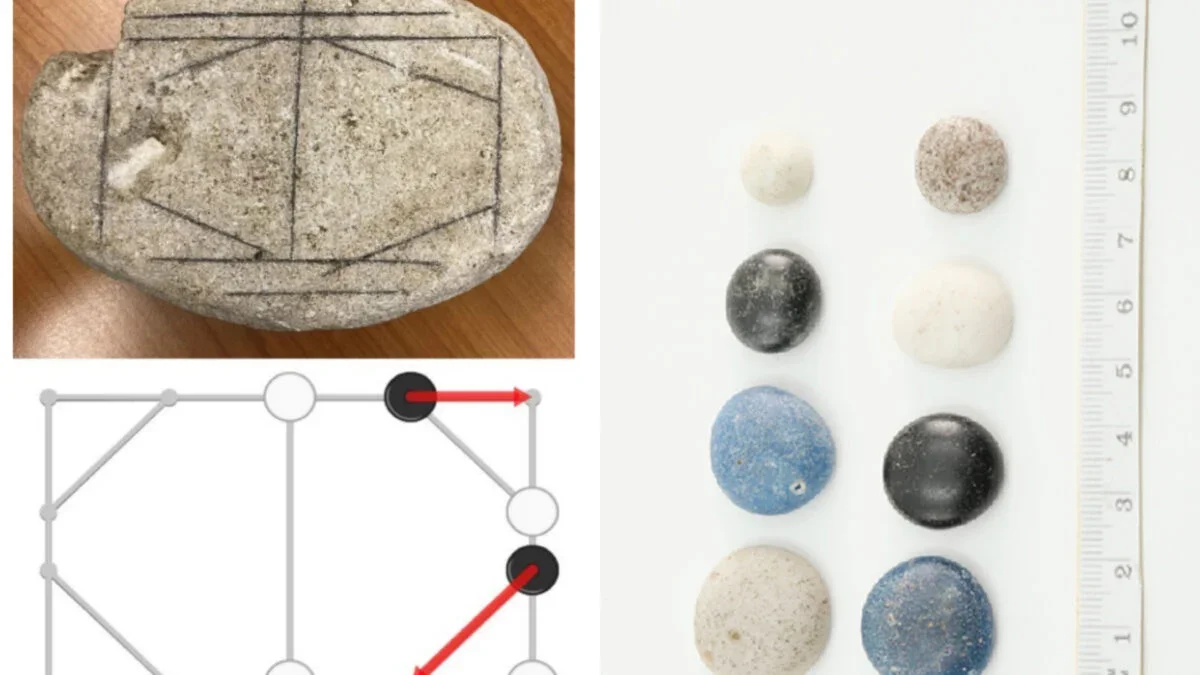
Researchers used AI to model and test possible rules for a stone Roman-era game board found in Coriovallum. Two AIs simulated various European games and produced wear patterns that matched the board, identifying a blocking-type game and marking the first use of AI-driven simulated play to help archaeologists identify an unfamiliar ancient board game, with implications that such games predated medieval Europe.

Ancient Romans Diversified Wealth Beyond Hoards: Metals, Crops, and Auctions
archaeology8 months ago

Ancient Romans Diversified Wealth Beyond Hoards: Metals, Crops, and Auctions

Long before modern markets, Romans grew wealth by diversifying investments: they stored gold and silver in secure vaults and traded metals by weight, while also investing in commodities like grain, olive oil, and wine through landholds that provided steady income. They bought artworks and real estate, and wills often left silver and gold as heirlooms. Prices fluctuated with new finds, imperial taxes, and political turmoil, but a varied portfolio helped preserve and grow wealth in an uncertain ancient economy.

New Digital Map Unveils Extent of Roman Empire's Road Network
history11 months ago

New Digital Map Unveils Extent of Roman Empire's Road Network

A new map called Itiner-e has nearly doubled the known length of the ancient Roman road network to 300,000 km, revealing that only about 3% of these roads are precisely mapped. The project compiles extensive historical and archaeological data, showing that many Roman routes are still in use today and highlighting the need for further research to fully understand the empire's extensive infrastructure.