
Iranian courts finalize death sentences for 2026 protest detainees
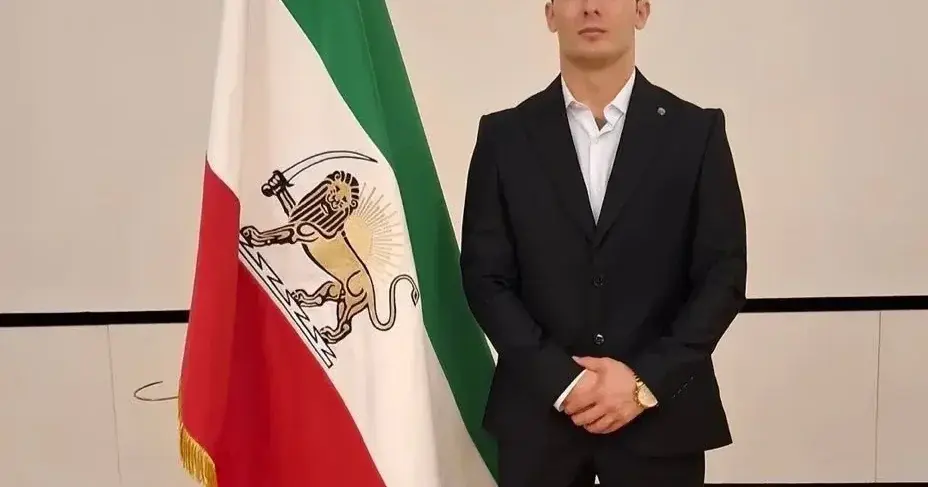
Iranian authorities have finalized death sentences for protesters linked to the 2026 unrest, including a 2022 injury survivor and a 26-year-old arrested in January. While HRANA reports the death sentence of Ali Zarei Doozdarresi, who was blinded during the 2022 protests, the Supreme Court upheld the sentence of Ali-Asghar Peyghambari. These verdicts reflect a broader crackdown, with Amnesty International and Iran Human Rights warning of increased executions and fast-tracked trials to suppress dissent.
Key points
- Ali Zarei Doozdarresi, blinded in 2022, was sentenced to death by Branch 23 of the Tehran Revolutionary Court after returning from Germany and being arrested in April 2026.
- The Supreme Court upheld the death sentence of Ali-Asghar Peyghambari, a 26-year-old arrested during the January 2026 protests, with his lawyer noting the ruling was based on espionage laws.
- HRANA reports that 29 people linked to the January 2026 protests have been executed since March 19, alongside two from the 2022 movement.
- Amnesty International and the Center for Human Rights in Iran accuse authorities of weaponizing the death penalty and using fast-tracked group prosecutions to deter future dissent.
Background
This escalation follows a pattern of severe judicial crackdowns on dissent in Iran. In late August 2026, a Revolutionary Court in Isfahan sentenced 10 protesters to death for the January 2026 demonstrations, a move condemned by exiled Prince Reza Pahlavi as 'brutal and unjust.' Earlier in the year, public executions were carried out in Isfahan, drawing global outcry and UN concerns over due process. The current rulings align with a broader strategy of using capital punishment to suppress political opposition and economic grievances.
How outlets are covering it
HRANA and Iran International emphasize the severity of the crackdown, highlighting the death sentences for Zarei and Peyghambari as part of a systematic effort to repress dissent. Amnesty International and the Center for Human Rights in Iran focus on the procedural violations, describing the trials as 'grossly unfair' and the use of fast-tracked group prosecutions as a deterrent strategy. Crypto Briefing frames these judicial actions through the lens of regime stability, suggesting that the Supreme Court's finality in these cases reduces the perceived likelihood of regime change before 2027, while increasing odds for leadership shifts. The outlets differ in their primary focus: HRANA and Amnesty highlight human rights abuses and international condemnation, while Crypto Briefing analyzes the geopolitical and market implications of the regime's hardline stance.
Why it matters
The finalization of these death sentences signals a deepening of Iran's repressive tactics against political dissent, with potential implications for regional stability and international relations. The use of capital punishment as a deterrent could further isolate Iran and exacerbate human rights concerns, while the economic and political unrest that fueled the 2026 protests remains unresolved. The international community's response to these verdicts will be a key indicator of the regime's future trajectory and the potential for further escalation in the crackdown on dissent.
What to watch
Observers should monitor any international reactions or potential sanctions in response to the finalized death sentences. The preparation of a retrial request and stay of execution for Peyghambari by his attorney may lead to further legal developments. Additionally, the broader crackdown on dissent and the economic grievances that fueled the 2026 protests could continue to drive unrest, with potential implications for regime stability and international relations.
- Protester blinded in one eye sentenced to death after return to Iran Iran International
- Ali-Asghar Peyghambari, Prisoner Sentenced to Death, Held in Ghezel Hesar Prison en-hrana.org
- Iran Supreme Court upholds protester’s death sentence amid crackdown Crypto Briefing
- Alireza Peyghambari Archives - Hrana en-hrana.org
Want the full story? Read the original reporting
Read on Iran International