
6,000 Scholars and Politicians Sign Letter Rejecting Gaza Genocide Charge
An open letter signed by over 6,000 prominent academics, legal experts, and politicians rejects the accusation that Israel committed genocide in Gaza, labeling it a 'blood libel.' The signatories, including figures like Steven Pinker and Boris Johnson, argue that Israel's conduct, including evacuation orders and casualty ratios, does not meet the legal definition of genocide. They contend the accusation is a political weapon used to delegitimize Israel, while critics argue this ignores the scale of civilian harm and the intent required under international law.
Key points
- The letter, released by Creative Community for Peace, was authored by Yossi Klein Halevi, Rabbi Yitz Greenberg, Rabbi Micha Odenheimer, and Jonathan Karp, and surpassed 6,000 signatories.
- Signatories include Harvard professor Steven Pinker, historian Niall Ferguson, former UK Prime Minister Boris Johnson, and former Canadian Justice Minister Irwin Cotler.
- The letter argues that Israel's actions, such as issuing evacuation orders and maintaining a civilian-to-combatant ratio of roughly 2:1, contradict the legal definition of genocide, which requires intent to destroy a group.
- Critics, including The Jewish Star, argue that Hamas uses 'accusation in a mirror' tactics to deflect from its own atrocities, while others contend that the scale of civilian deaths and displacement in Gaza meets the threshold for genocide.
- The letter claims the genocide accusation is a 'blood libel' used to exclude and attack Jews globally, a view disputed by those who emphasize the humanitarian crisis and legal precedents set by the International Court of Justice.
Background
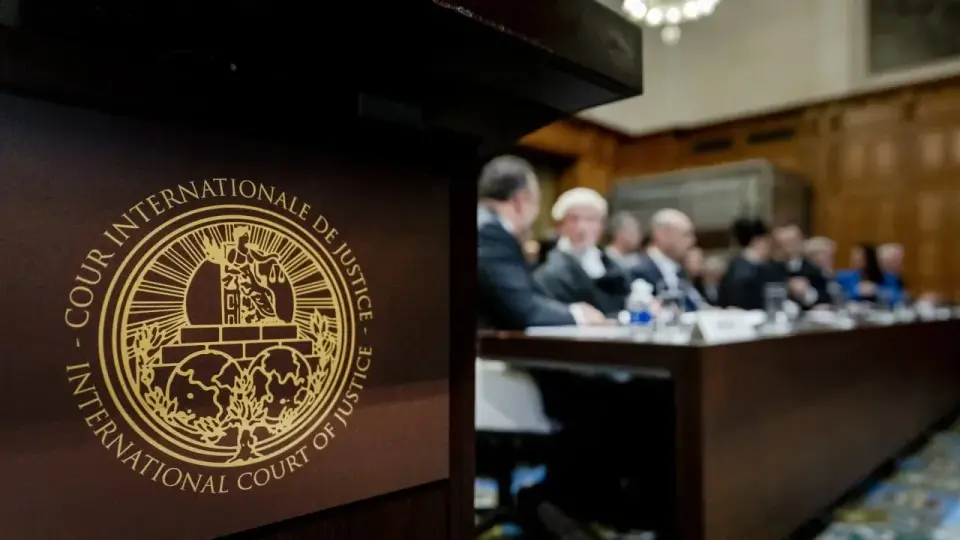
This development follows earlier coverage of a similar open letter signed by Hollywood figures and politicians in September 2026, which also rejected the genocide label. It occurs amid ongoing International Court of Justice proceedings, including a case brought by Nicaragua against Germany for arming Israel, and previous disputes over humanitarian aid and birth rates in Gaza. The debate reflects a broader polarization in international discourse regarding the legal and moral implications of the Israel-Hamas war.
How outlets are covering it
The Jerusalem Post highlights the letter's signatories and their arguments that Israel's conduct does not meet the legal definition of genocide, emphasizing the 'blood libel' framing. The Jewish Star supports this view, arguing that Hamas uses 'accusation in a mirror' tactics to deflect from its own crimes, and that Israel's evacuation orders and casualty ratios prove a lack of genocidal intent. In contrast, The Portland Press Herald and other critics argue that the scale of civilian deaths and displacement in Gaza, along with the intent to destroy a group, meets the threshold for genocide, and that political leaders should not treat accusations as convictions. The uwpexponent.com source raises questions about US complicity, suggesting that the US may be involved in supporting actions that could constitute genocide, a perspective not addressed by the letter's signatories.
Why it matters
The letter underscores the deep divisions in international discourse over the Israel-Hamas war and the legal definition of genocide. It highlights the role of prominent figures in shaping public opinion and the potential for political weaponization of legal terms. The debate has implications for international law, diplomatic relations, and the ongoing humanitarian crisis in Gaza, as well as for the perception of Israel and its allies on the global stage.
What to watch
The International Court of Justice will continue to hear cases related to the Genocide Convention, including the case brought by Nicaragua against Germany. The open letter may influence public opinion and diplomatic discussions, but its impact on legal proceedings or policy decisions remains uncertain. Further developments in the Israel-Hamas war, including casualty figures and humanitarian access, will likely shape the ongoing debate over the use of the term 'genocide.'
- Prominent scholars, legal experts among 6,000 signatories to letter rejecting Gaza genocide charge The Jerusalem Post
- What if Israel Isn’t Committing Genocide in Gaza? newsweek.com
- Facing deceitful genocide accusations in mirror The Jewish Star
- Is the U.S. Complicit in the Gaza Genocide? uwpexponent.com
- Genocide charges don’t match the reality in Gaza | Opinion The Portland Press Herald
Want the full story? Read the original reporting
Read on The Jerusalem Post