
Abu Dhabi talks yield prisoner swap but stall on territorial and security disputes
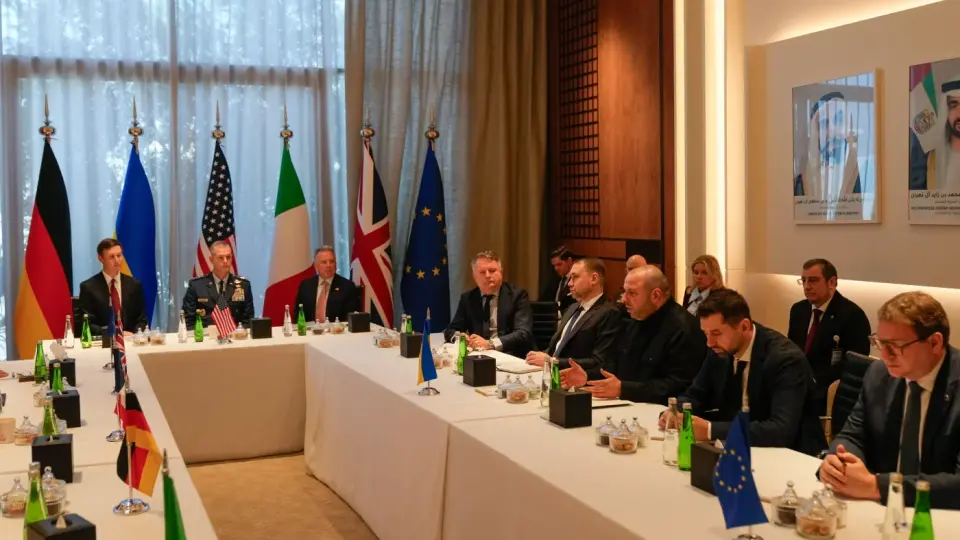
US-mediated peace talks in Abu Dhabi concluded with an agreement for a large prisoner exchange but failed to resolve core disputes over territory and security. Envoys Kushner and Witkoff will now meet Putin and Zelenskyy to push for European inclusion and further progress.
Key points
- Russia and Ukraine agreed in principle to a major prisoner exchange, potentially involving 1,000 to 1,500 individuals per side, to be finalized within two to three weeks.
- No breakthrough was achieved on the central issues of territorial concessions in the Donbas region or post-war security guarantees for Europe and Ukraine.
- US envoys Jared Kushner and Steve Witkoff will travel to Moscow to meet President Putin and then to Dublin to meet President Zelenskyy, aiming to expand the talks to include European nations.
- European officials were present in Abu Dhabi for separate consultations but were excluded from the trilateral negotiations by Moscow, which dismissed their involvement as unproductive.
- Negotiators described the talks as the most difficult since February, with Russia adhering to strict directives and both sides lacking trust after nearly five years of conflict.
Background
These talks mark the first direct negotiations between Russia and Ukraine in nine months, following a failed round in Geneva in February 2026. Previous prisoner exchanges, including one in May 2025, occurred without achieving a ceasefire. The current diplomatic effort follows recent US concessions to Moscow and heightened concerns in Europe regarding US commitment to security guarantees. The conflict has resulted in hundreds of thousands of military deaths and thousands of civilian casualties, with ongoing strikes on energy infrastructure and front-line cities.
How outlets are covering it
While all sources confirm the prisoner exchange agreement, they differ on the tone and prospects. NPR and BBC emphasize the lack of breakthrough and the deep distrust between parties, noting that the talks ended without resolving the 'hardest' issues of territory. CNN highlights the US administration's recent concessions to Moscow and European fears that the US may force a peace deal favorable to Russia. Euronews focuses on the logistical next steps, noting Kushner's admission that a direct meeting between Putin and Zelenskyy is still distant due to lack of trust. Ukrainian negotiators, such as Davyd Arakhamia, described the Russian delegation as operating under 'strict directives,' making the talks exceptionally difficult, while Russian officials dismissed European involvement as unnecessary.
Why it matters
The outcome of these talks determines the trajectory of a war that has lasted nearly five years. A successful prisoner exchange could build minimal trust, but failure to resolve territorial and security issues risks prolonging the conflict. The exclusion of European nations from direct talks raises concerns about the enforceability and long-term stability of any peace deal, as Europe remains central to Ukraine's security and NATO's strategic interests.
What to watch
Kushner and Witkoff will meet with Putin in Moscow on Thursday to discuss the prisoner exchange and push for European inclusion in future talks. They will then travel to Dublin to meet with Zelenskyy. The final numbers for the prisoner exchange are expected to be confirmed within the next few days, with the actual swap potentially occurring within two to three weeks. Further negotiations are expected to focus on post-war security frameworks and the status of occupied territories.
- Russia and Ukraine agree to a prisoner exchange as talks end with no big breakthrough NPR
- Russia and Ukraine say some progress made at talks, US cites a lack of trust Reuters
- Trump envoys to meet Putin in Moscow after latest Ukraine talks end with no breakthrough CNN
- Abu Dhabi peace talks end with prisoner exchange agreement as US envoys prepare to meet Putin Euronews.com
- Russia-Ukraine talks turn to post-war security but end without breakthrough BBC
Want the full story? Read the original reporting
Read on NPR