
Amnesty International Labels Russia's Foreign Military Recruitment as Human Trafficking
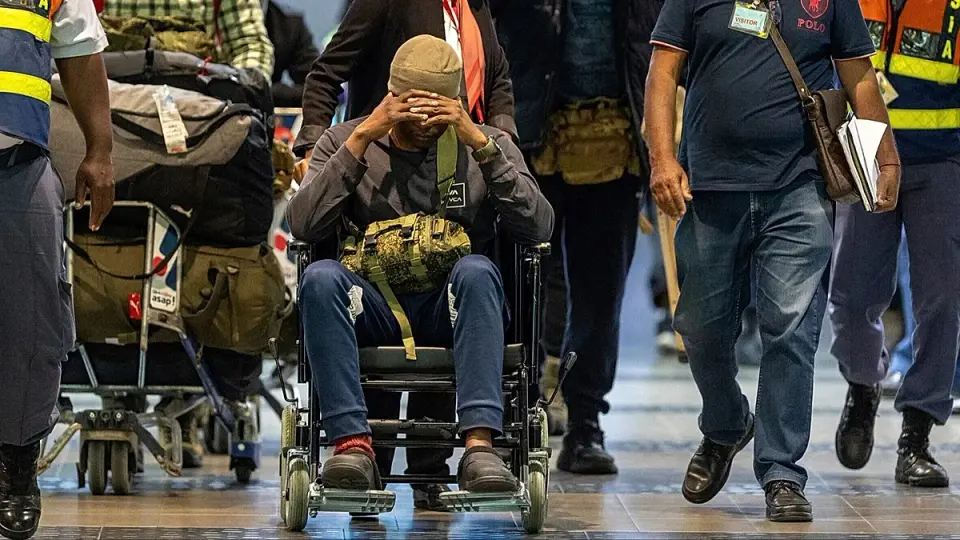
Amnesty International released a report on October 14, 2026, asserting that Russia’s recruitment of foreign nationals for the war in Ukraine constitutes human trafficking under the UN Palermo Protocol. The findings are based on interviews with prisoners of war from over a dozen countries, detailing how migrants were lured via fake civilian job offers or coerced through threats of deportation. By April 2026, Ukraine had identified nearly 28,400 foreign fighters from 136 countries in Russian forces. The Kremlin has not responded to the report, as it designated Amnesty an 'undesirable organization' in May 2025. International reactions include diplomatic protests from nations like India and Kenya, while the European Parliament formally condemned the practice in March 2026.
Key points
- Amnesty International classifies Russia's foreign recruitment tactics, including deception and document confiscation, as human trafficking under international law.
- Recruitment methods include fake civilian job offers with salaries around $2,000 monthly and coercion of migrants facing deportation or imprisonment.
- Ukraine's Coordination Headquarters identified 28,391 foreign nationals from 136 countries fighting for Russia by April 2026, excluding North Korean troops.
- The report is based on interviews with prisoners of war from countries including Brazil, Colombia, and South Africa, who described restricted movement and inadequate training.
- Russia designated Amnesty International an 'undesirable organization' in May 2025, banning its presence and preventing open information collection within the country.
Background
This development follows earlier international scrutiny of Russia's military strategies, including the confirmed deployment of approximately 10,000 North Korean troops to support Russian forces in late 2024. The current report builds on previous concerns regarding the treatment of migrants and refugees in Russia, highlighting a systemic exploitation of vulnerable populations for military purposes. While earlier archive items focused on unrelated human rights issues in Pakistan, China, Lebanon, and Yemen, the current story centers on the specific legal and ethical implications of Russia's foreign recruitment drive in the context of the ongoing conflict in Ukraine.
How outlets are covering it
Euronews emphasizes the legal classification of the recruitment as human trafficking under the UN Palermo Protocol and highlights the scale of foreign involvement, noting the 28,391 identified fighters. It also details specific diplomatic responses, such as Kenya's foreign minister visiting Moscow and Russia's promise to repatriate Kenyan bodies. Amnesty International, the primary source of the findings, focuses on the mechanisms of coercion and deception, such as weaponizing irregular immigration status and using criminal networks. Amnesty stresses the lack of combat readiness and the disregard for human life, noting that recruits often received only two weeks of training. While both sources agree on the exploitative nature of the recruitment, Euronews provides more detail on international diplomatic reactions and specific cases like Kenyan runner Evans Kibet, whereas Amnesty International provides deeper insight into the internal processes of coercion and the testimony of prisoners of war regarding their conditions and the promises made to them.
Why it matters
The designation of Russia's recruitment practices as human trafficking under international law could lead to increased diplomatic pressure and potential legal accountability for Russian officials and intermediaries. It highlights the broader implications of the war in Ukraine, extending beyond the immediate conflict zone to affect vulnerable populations globally. The report also underscores the challenges faced by international organizations like Amnesty International in operating within Russia, as their activities are criminalized, limiting their ability to investigate and report on abuses. This situation may influence how other nations respond to similar recruitment tactics and could impact future international cooperation on human rights and migration issues.
What to watch
Amnesty International has called on Russia to immediately end all abusive recruitment practices and on other states to take proactive protective measures, including issuing public warnings and seeking accountability for those involved. The organization also urges Ukrainian authorities to address the treatment of third-country nationals held as prisoners of war. Given Russia's designation of Amnesty as an 'undesirable organization,' it is unlikely that the Russian government will respond to the report's findings. International reactions may continue to evolve, with more nations potentially lodging formal protests or demanding repatriation of their citizens. The European Parliament's resolution in March 2026 may also influence further diplomatic actions and legal proceedings against those responsible for the trafficking and exploitation of foreign nationals.
- Russia's foreign recruit drive amounts to human trafficking, Amnesty International says Euronews.com
- Russia: Recruitment of foreign nationals to fight in Ukraine amounts to human trafficking Amnesty International
- Ukraine war latest: Russian observers condemn army's 'culture of lying' - as Putin faces 'nightmare' Sky News
- Amnesty accuses Russia of trafficking foreigners to fight in Ukraine Al Jazeera
- Ukraine war latest: Russia's recruitment of foreign nationals 'amounts to human trafficking' kyivindependent.com
Want the full story? Read the original reporting
Read on Euronews.com