
EU Neighbors Reject Ukraine’s Grain Transit Plea Amid Black Sea Blockade
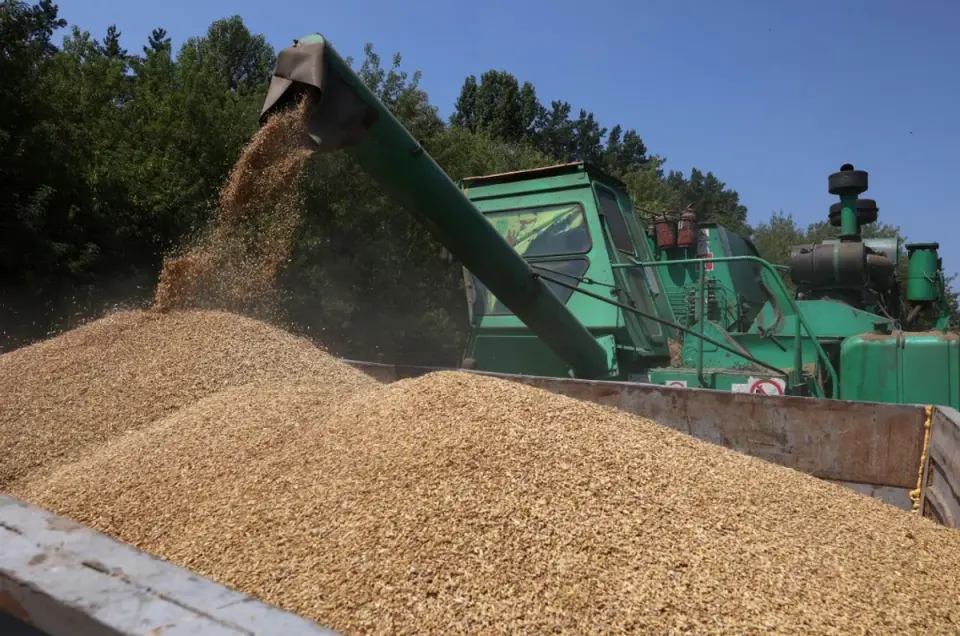
Poland and Romania have refused Ukraine’s request to expand transit corridors and provide €1.1 billion in subsidies to export trapped grain. Ukrainian Agriculture Minister Taras Vysotskyi warned that the blockade could reduce next year’s sown area by 35-40%, while EU officials cited overloaded infrastructure and domestic farm protection as primary reasons for the rejection.
Key points
- Ukraine’s Agriculture Minister Taras Vysotskyi visited Brussels to request increased transit capacity and €1.1 billion in financial assistance to offset high freight costs.
- Poland’s Ministry of Infrastructure stated it has no plans to increase the transit of Ukrainian agricultural products, citing existing infrastructure limits.
- Romanian Agriculture Minister Barna Tánczos rejected the appeal, noting that low Danube water levels and current transit volumes have already overwhelmed ports like Constanța.
- Vysotskyi warned that if the blockade continues until spring, Ukraine’s sown area could shrink by 35-40% due to a lack of working capital for seeds and fertilizer.
- Russian strikes on Black Sea ports have paralyzed maritime exports, with at least 25 Turkish-owned vessels damaged since late June, prompting Ankara to propose a new maritime ceasefire.
Background
This dispute follows a period of heightened tension along the Poland-Ukraine border, where Russian drone strikes in September 2026 led to increased security measures and air defense activations in eastern Poland. The current grain crisis exacerbates existing concerns about European border security and energy infrastructure, as NATO monitors spillover risks from the conflict.
How outlets are covering it
While Kyiv emphasizes the critical nature of the request to prevent a global food crisis, Poland and Romania prioritize domestic agricultural interests and infrastructure capacity. Politico highlights the gap between EU solidarity and domestic political realities, noting that European farmers are struggling with drought and high costs. The Independent focuses on the broader economic impact, while Kyiv Post details the specific diplomatic rebuffs from Warsaw and Bucharest. All sources agree that the blockade is severely constraining Ukrainian exports, but they differ in emphasis: Kyiv Post and Politico focus on the immediate diplomatic failure, while The Independent contextualizes the issue within global food security concerns.
Why it matters
The rejection of Ukraine’s grain transit request threatens to exacerbate global food insecurity, as up to 35 million tons of grain may remain trapped in Ukraine. This could lead to a significant reduction in Ukraine’s future harvests, potentially affecting global supply chains and prices. The situation also highlights the tension between EU support for Ukraine and the protection of domestic agricultural interests in member states.
What to watch
The EU is not ruling out a collective response, with Agriculture Commissioner Christophe Hansen expressing concern for global food security. Germany is reportedly strengthening alternative export routes, and Ukraine is exploring Dutch and German ports as new outlets. However, without immediate changes in Poland and Romania, the transit impasse is likely to persist, potentially leading to further contractions in Ukrainian agricultural output.
- Poland, Romania Refuse Transit Relief for Ukrainian Grain Kyiv Post
- The crippling effect we’re all feeling from the deadlock in Ukraine’s war with Russia The Independent
- EU neighbors shun Kyiv’s plea to free trapped grain politico.eu
- Turkey and UN Broker Talks on Russia-Ukraine Black Sea Truce Bloomberg.com
- Afghan migrant who stabbed dog walker to death sentenced to indefinite hospital order Inbox.eu
Want the full story? Read the original reporting
Read on Kyiv Post