
UK and EU seal post-Brexit reset deal on trade and mobility, but tuition fees remain unresolved
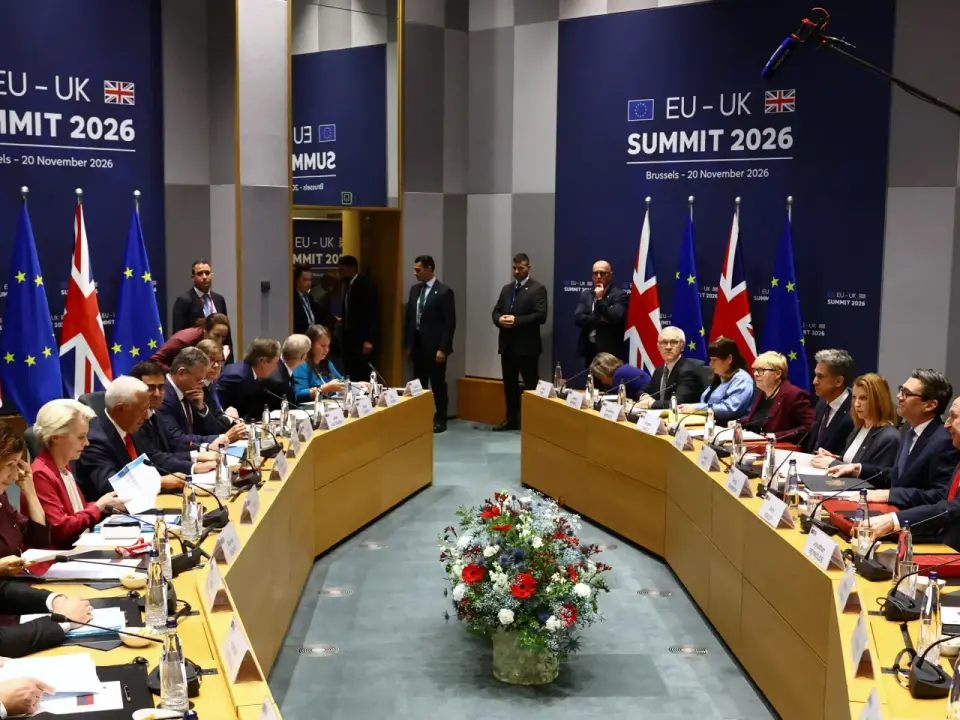
The UK and EU have agreed to a 'reset' of relations a decade after Brexit, finalizing deals on food trade, emissions trading, and youth mobility. While Prime Minister Andy Burnham claims the agreements will boost the UK economy by 0.5%, implementation is contingent on resolving a dispute over tuition fees for EU students. The deal marks a significant shift in British policy but faces strong domestic opposition from eurosceptic parties.
Key points
- Downing Street confirmed that negotiations concluded on Friday, with agreements reached on a sanitary and phytosanitary (SPS) deal, a youth mobility scheme, and a link between emissions trading systems.
- The SPS deal, which reduces controls on animal and plant products, is estimated to be worth 5.1 billion pounds to the British economy.
- The youth mobility scheme will allow 100,000 young Europeans to live and work in the UK for up to three years, with reciprocal access for British citizens.
- The emissions trading agreement will exempt British and EU goods, such as steel, from each other's border carbon levies.
- Implementation of these deals is suspended until a resolution is reached on tuition fees, with the EU demanding that EU students pay domestic rates rather than higher international fees.
- Prime Minister Andy Burnham stated the deals could add 0.5 percent to Britain's GDP, while EU Commission President Ursula von der Leyen called the agreement a 'turning point' in post-Brexit relations.
Background
This summit follows a period of intensified diplomatic efforts by the UK government to 'reset' ties with the EU. Previous coverage noted that Burnham had publicly declared Brexit a failure, arguing that the UK lost more than it gained in the decade since the 2016 referendum. While earlier discussions focused on the possibility of rejoining the EU, Burnham's government maintained strict 'red lines' against restoring free movement or joining the single market. The current agreements represent a pragmatic step to reduce trade frictions, building on the cautious approach of his predecessor, Keir Starmer, who was ousted earlier this year for a technocratic strategy that failed to yield tangible results.
How outlets are covering it
Outlets highlight different aspects of the agreement and its political fallout. Al Jazeera and The Guardian emphasize the finality of the deal, with Downing Street declaring 'the deal is done,' while noting that talks will continue on unresolved areas like tuition fees. The New York Times frames the event as a 'baby step' toward closer relations, quoting Burnham's assertion that Brexit 'has not worked.' CNN provides a more skeptical analysis, noting that while Burnham's rhetoric is more forceful than his predecessor's, the actual policy approach has not changed significantly. CNN also highlights the domestic backlash, noting that eurosceptic figures like Nigel Farage and Kemi Badenoch have criticized Burnham for lacking a mandate to negotiate closer ties. The Guardian points out that the EU is using the tuition fee dispute as leverage, threatening to delay the implementation of the other deals until a satisfactory agreement is reached.
Why it matters
This agreement represents the first major structural change in UK-EU relations since the 2020 trade deal. It signals a shift in British foreign policy toward closer economic integration with the EU, potentially impacting trade costs, labor mobility, and environmental regulations. The unresolved tuition fee issue creates a high-pressure deadline for future negotiations, as the implementation of the other deals is contingent on its resolution. The deal also intensifies domestic political divisions, with pro-EU supporters viewing it as a necessary correction to Brexit's failures and eurosceptic critics warning of a loss of sovereignty and increased financial burdens.
What to watch
Both sides will now enter a legal process to implement the agreed-upon deals, with the SPS deal scheduled to come into force on March 1, 2028, and the youth mobility scheme between 2028 and 2030. However, these timelines are contingent on resolving the tuition fee dispute within the next six months. If no agreement is reached by March 2028, the implementation of the other deals may be delayed. Further negotiations are expected on other areas, including the 'Made in Europe' initiative and potential cooperation on immigration and military ties.
- EU and UK seal reset deal Al Jazeera
- Ten years on, is the UK preparing to undo Brexit? CNN
- 10 years on, Britain reopens the Brexit fight — this time embracing the E.U. The Washington Post
- UK says EU reset deal agreed but talks will continue ‘in some areas’ – live The Guardian
- Easing Back From Brexit: What to Expect at U.K. Summit With E.U. The New York Times
Want the full story? Read the original reporting
Read on Al Jazeera