
NATO Drafts Deep-Strike Doctrine to Disrupt Russian War Machine
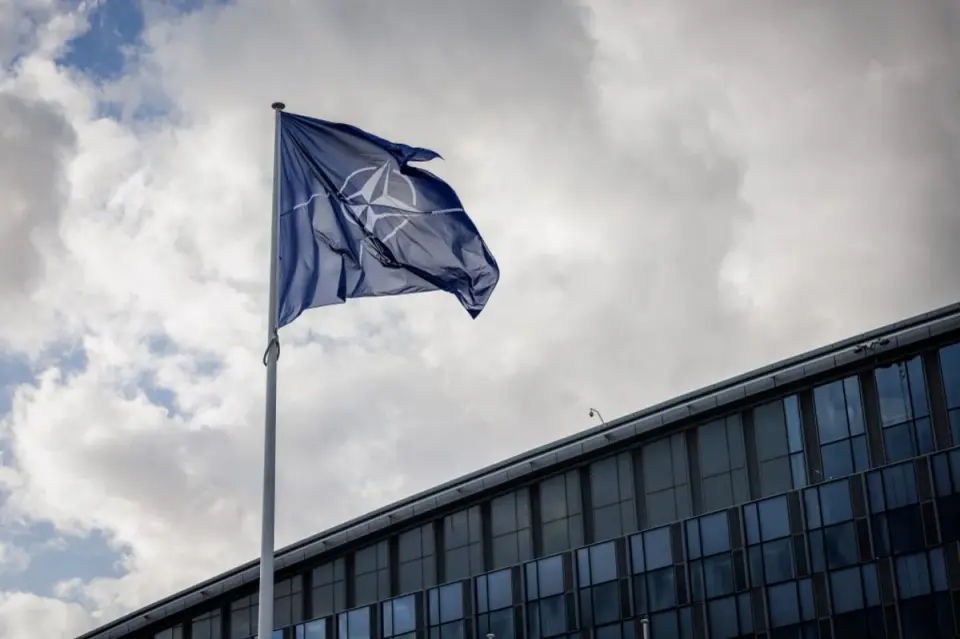
NATO is developing a new defense strategy that authorizes conventional strikes deep inside Russian territory if Moscow attacks alliance members. Led by Supreme Allied Commander Europe Gen. Alexus Grynkewich, the plan shifts from passive border defense to actively disrupting Russian military bases, supply lines, and industrial facilities. The approach, which excludes nuclear weapons, aims to deny Russia the ability to sustain an invasion by targeting its war-fighting system from the rear.
Key points
- NATO strategists now view traditional border barriers as insufficient, favoring active 'denial' through deep strikes.
- The plan targets military bases, supply depots, and industrial facilities 150 km to thousands of km behind the front line.
- Precision weapons like Tomahawk, ATACMS, and Storm Shadow missiles are central, alongside new low-cost drone systems.
- European nations are expanding stockpiles and developing 48 new low-cost cruise missile projects to match Russian capabilities.
- Analysts warn that military plans may not align with political willingness to authorize such offensive actions.
Background
This development follows Gen. Grynkewich’s October 2026 speech in Warsaw, where he outlined a 'theory of victory' to deter Russian aggression. It occurs amid rising tensions, including Danish intelligence warnings of potential Russian hybrid attacks and Ukraine’s recent debut of the FP-7 ballistic missile. The new doctrine reflects lessons from the ongoing war in Ukraine, where positional fighting has persisted due to the inability to disrupt rear-area support networks.
How outlets are covering it
The Wall Street Journal and Kyiv Post emphasize the strategic shift from defensive barriers to offensive deterrence, highlighting Gen. Grynkewich’s vision. Ukrainian Pravda underscores the parallel between NATO’s new doctrine and Ukraine’s current strikes on Russian refineries and drone factories, noting that air defense alone is insufficient. Meta-Defense provides historical context, noting that conventional deep strikes were previously limited by accuracy and cost, but modern drones and missiles have changed this calculus. While military planners advocate for deep strikes, former German official Nico Lange notes a gap between military necessity and political approval, as some European leaders still equate defense with passive barriers.
Why it matters
This doctrinal shift signals a fundamental change in NATO’s deterrence posture, moving from containment to active disruption of an adversary’s war-making capacity. It addresses the vulnerability of static defenses against modern hybrid and conventional threats. However, the political feasibility of authorizing strikes deep inside a nuclear-armed state remains a significant hurdle, potentially straining alliance unity if leaders are unwilling to approve such offensive operations.
What to watch
NATO is expected to finalize these plans, with European nations accelerating the production of low-cost cruise missiles and drones. The next critical step is determining whether political leaders will authorize these operations in a conflict scenario. Continued development of precision strike capabilities by both NATO and Russia will likely define the future balance of deterrence in the region.
- NATO’s New Defense Plan Includes Strikes Deep Into Russia Kyiv Post
- NATO’s New Defense Plan Would Mean Strikes Deep Inside Russia WSJ
- NATO prepares new defence plan foreseeing strikes deep inside Russian territory – WSJ Українська правда
- Is NATO preparing a preemptive strike against Belarus? Fact-checking News.by claims Беларускі расследавальніцкі цэнтр
- NATO considers conventional strategic strikes in Russia if a member is attacked Meta-Defense
Want the full story? Read the original reporting
Read on Kyiv Post