
EU Leaders Select Six-Nation Team to Represent Europe in Ukraine Peace Talks
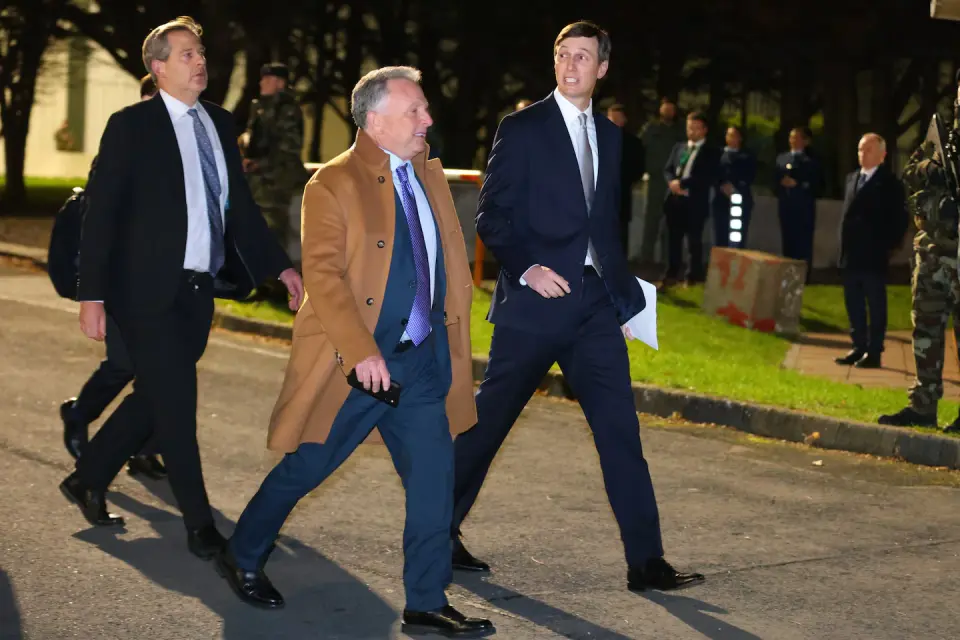
European Union leaders agreed in Dublin to send a team of representatives from Britain, France, Germany, Italy, Poland, and EU institutions to negotiate with Russia on Ukraine, ending months of debate over a single spokesperson. This decision follows US pressure to include Europe in talks, though Moscow remains skeptical of the bloc's commitment to peace.
Key points
- EU leaders chose a multi-nation team over a single negotiator to represent the bloc in Ukraine peace discussions.
- The team includes representatives from Britain, France, Germany, Italy, Poland, and EU executive bodies.
- US envoys Jared Kushner and Steve Witkoff pushed for European inclusion after Moscow demanded changes to European security architecture.
- Kremlin spokesperson Dmitry Peskov stated Russia would decide on European participation after assessing their 'real intentions.'
- European leaders remain divided on representation, with some favoring a single voice and others prioritizing consensus among 27 member states.
Background
Prior to this week, European leaders had been sidelined from direct negotiations between the US and Russia, despite being the primary providers of military aid to Ukraine. Recent US-led talks in Abu Dhabi and Moscow focused on expanding the scope of peace discussions to include European security arrangements, prompting European capitals to demand a formal role. The decision to form a team reflects ongoing tensions within the EU, where larger nations like France and Germany seek influence, while smaller eastern states worry their interests may be overlooked. This follows a pattern of fragmented European diplomacy, as noted in earlier coverage of the Dublin summit, where security concerns and internal disagreements complicated the process.
How outlets are covering it
The Washington Post emphasizes the difficulty of achieving a unified European voice, highlighting internal divisions between major powers and smaller states, as well as the US pressure to present a cohesive front. It notes that while the EU chose a team, critics argue this approach may appear disorganized. The New York Times focuses on the practical outcome: the selection of six representatives, framing it as a resolution to the long-standing question of who speaks for Europe. Both outlets agree that the decision was driven by US and Russian demands for European involvement, but the Post gives more weight to the internal political struggles and the skepticism from Moscow regarding the EU's sincerity.
Why it matters
This decision determines how Europe will engage in negotiations that could reshape the continent's security architecture. A unified or fragmented European voice could influence the outcome of peace talks, the future of NATO, and the level of support Ukraine receives. If Europe fails to present a coherent position, it risks being sidelined or exploited by Russia, potentially undermining its own security interests and the broader Western alliance.
What to watch
The next step is the format of the upcoming talks, which US envoys have not yet specified. European officials will likely coordinate internally to ensure a consistent message, while Moscow will assess whether the EU team is authorized to make binding commitments. The outcome of these negotiations could determine whether a ceasefire is reached or if the war continues, with Europe's role becoming central to the postwar security framework.
- Europeans decide on thorny question of who will speak for bloc in Ukraine talks The Washington Post
- Europe Agrees on a Team to Represent It in Talks With Russia The New York Times
- Ukraine updates: Europe to send united front to potential peace talks DW.com
- EU settles on five-nation group to speak for Europe at Ukraine peace talks Reuters
- Europe to send a diplomat team to Ukraine talks as leaders push for a voice AP News
Want the full story? Read the original reporting
Read on The Washington Post