
Kallas calls Russian peace terms 'absurd' as EU finalizes negotiating team
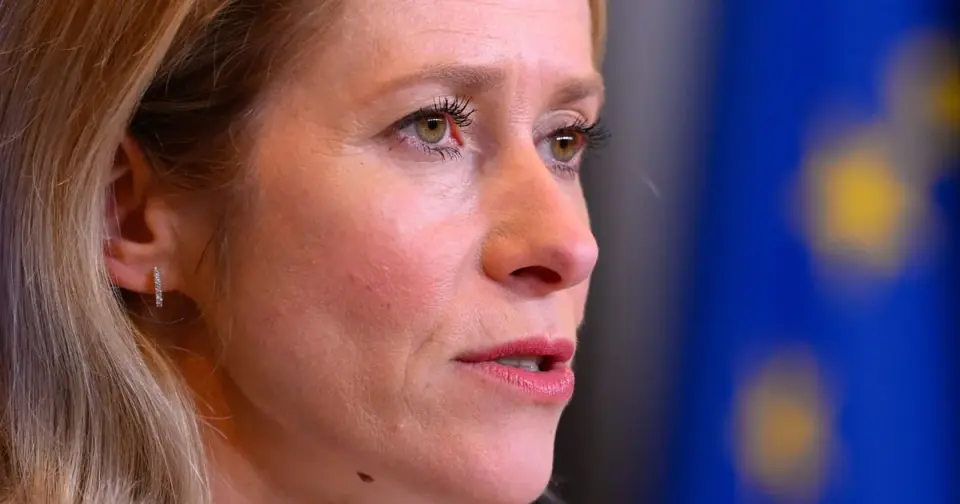
EU High Representative Kaja Kallas dismissed Russian peace demands as 'absurd' on Monday, arguing Moscow must move first to end the conflict it started. She criticized the Kremlin's tactic of presenting maximalist asks, including full Ukrainian withdrawal from Donbas and NATO retreat to 1997 borders, as a strategy to appear reasonable when they later back down. Although Kallas is not part of the newly formed EU negotiating team, she emphasized the bloc's leverage through sanctions and over €200 billion in frozen Russian assets. The EU has agreed on a team comprising Poland, Germany, Italy, France, and the UK, plus the European Council and Commission, to represent the bloc in future talks. These discussions follow a decision by EU leaders in Dublin and precede a potential meeting between Trump, Putin, and Xi in Shenzhen. While Kallas supports the team's mandate, some foreign ministers remain skeptical of the talks' success, urging increased pressure on Russia instead.
Key points
- Kallas labeled Russian demands for Ukrainian withdrawal from Donbas and NATO retreat to 1997 borders as 'absurd' and maximum demands.
- The EU finalized a negotiating team including Poland, Germany, Italy, France, and the UK, along with the European Council and Commission.
- Kallas is not part of the negotiating team, a decision attributed to the absence of US Secretary of State Marco Rubio from the talks.
- The EU holds over €200 billion in frozen Russian assets via Euroclear, which Kallas cited as significant leverage.
- Austria circulated a 15-point paper proposing limited ceasefires and strategic use of sanctions as a basis for the negotiating mandate.
- Swedish Foreign Minister Maria Malmer Stenergard expressed low hopes for the talks, arguing Russia is not seriously interested in peace.
Background
This development follows recent EU debates in Dublin regarding the structure of the negotiating team, where Kallas argued her role as High Representative was sufficient, while others pushed for a unified 'E5' group. Previous coverage noted Kallas's rejection of US-Russia security frameworks that exclude Europe and her insistence that a ceasefire must precede broader negotiations. Earlier reports also highlighted Russian demands for Finland to exit NATO, which were condemned as outrageous by Finnish and Ukrainian leaders. The current situation builds on these tensions, with the EU now formalizing its representation while maintaining a stance that Moscow must accept a ceasefire first.
Why it matters
The EU's formalization of a negotiating team and its assertion of leverage through frozen assets and sanctions signal a shift from reactive diplomacy to structured engagement. Kallas's public criticism of Russian demands aims to set a firm tone for upcoming negotiations, potentially influencing the outcome of the anticipated Trump-Putin-Xi meeting. The internal EU dynamics, including Kallas's exclusion from the team, highlight ongoing tensions over representation and strategy, which could impact the coherence and effectiveness of the EU's position in peace talks.
What to watch
EU capitals must decide on a mandate for the negotiating team before the next round of Ukraine talks, expected after a meeting between Trump, Putin, and Xi in Shenzhen. The Foreign Affairs Council will discuss upcoming sanctions on Russia and the potential mandate. The outcome of these discussions will determine the EU's approach to the peace process and its ability to leverage its economic tools effectively.
- EU chief diplomat Kallas blasts Russian peace demands as ‘absurd’ POLITICO.eu
- Holding talks with Russia on Europe's security now would be premature, EU ministers say Reuters
- EU accuses Russia of stalling Ukraine peace talks to target power plants as winter nears AP News
- The dangers of revising Europe's security architecture DW.com
- Foreign Affairs Council: Press remarks by High Representative/Vice-President Kaja Kallas upon arrival EEAS
Want the full story? Read the original reporting
Read on POLITICO.eu