
Eisenkot demands Netanyahu’s resignation after reports of PMO-planted election interference
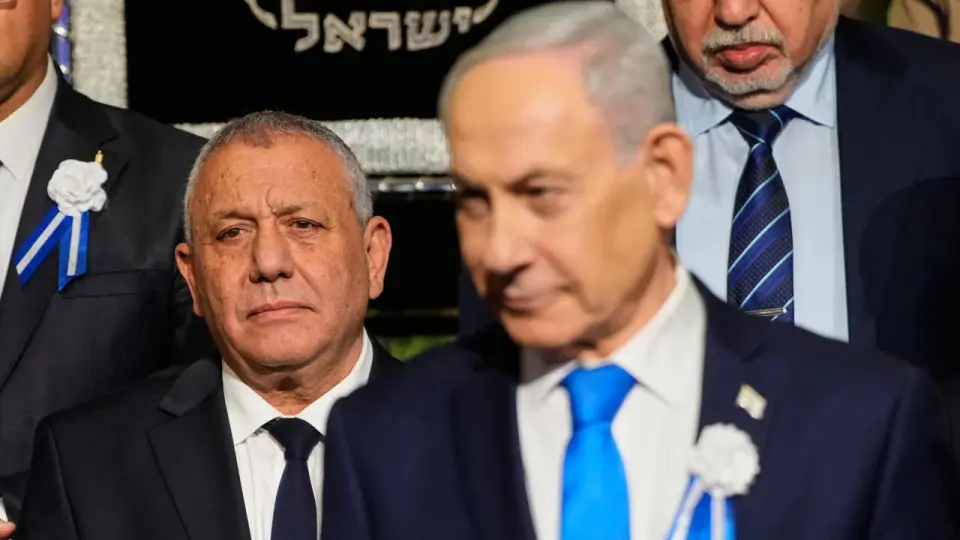
Israeli opposition leader Gadi Eisenkot has demanded that caretaker Prime Minister Benjamin Netanyahu resign immediately, citing reports that Netanyahu’s office orchestrated false arrests to delegitimize the October 27 election. Channel 12 alleges that Netanyahu’s chief of staff, Ido Norden, tipped police to a former PMO employee, leading to the warrantless arrest of three Raam party members on election day. Although the men were released after police found the information unfounded, Netanyahu used the incident to accuse Arab parties of fraud. Eisenkot, tasked with forming a government, called the actions a threat to democracy and demanded an investigation, while Netanyahu’s office denied the allegations, calling them false.
Key points
- Eisenkot stated Netanyahu cannot remain in office, calling his conduct an immediate threat to Israeli democracy.
- Channel 12 reported that Ido Norden, Netanyahu’s chief of staff, directed police to a former PMO employee who provided false intelligence about vote-buying by Raam members.
- Three Raam members were arrested without a warrant on election day but released after police determined the information was unfounded.
- Netanyahu’s office denied the report, stating Norden fulfilled his civic duty, while Likud called Eisenkot’s demands 'outrageous incitement.'
- Attorney General Gali Baharav-Miara and police are probing whether the PMO deliberately used law enforcement to undermine the election’s legitimacy.
- Neither Netanyahu nor Eisenkot secured the 61 seats needed to form a government, with Arab parties holding the balance of power.
Background
This dispute follows the inconclusive October 27 election, where Arab parties won a record 19 seats, blocking both Netanyahu and Eisenkot from forming a majority. Previous reports indicated Netanyahu had already alleged foreign interference and accused Arab parties of fraud, while Eisenkot faced pressure to form a coalition despite lacking a majority. Earlier tensions included accusations that Netanyahu’s office falsified records regarding the October 7, 2023, attack, and ongoing debates over the legitimacy of the election results.
How outlets are covering it
France 24 and Al Jazeera emphasize Eisenkot’s demand for Netanyahu’s resignation and the alleged direct interference by the PMO. The Times of Israel provides detailed procedural context, noting that police and the Attorney General are investigating whether the arrests were a pre-planned effort to delegitimize the vote, and highlights that Likud is preparing to appeal the election results. The New York Times focuses on the broader political fallout, framing Netanyahu’s post-election attacks on Arab lawmakers as a 'racist' campaign that Eisenkot is now leveraging to justify his coalition strategy. While all sources agree on the core allegations, they differ in emphasis: some focus on the legal investigation, while others highlight the political rhetoric and the deadlock in coalition talks.
Why it matters
The alleged interference raises serious questions about the integrity of Israel’s democratic process and the role of state agencies in elections. If the PMO is found to have manipulated law enforcement, it could undermine public confidence in the government and complicate coalition negotiations. The dispute also highlights the growing polarization between Netanyahu’s bloc and the opposition, with Arab parties playing a pivotal role in determining the next government. The outcome of the investigation and coalition talks will shape Israel’s political direction and its ability to address ongoing security and social challenges.
What to watch
Attorney General Gali Baharav-Miara and police are expected to release findings on whether the PMO orchestrated the arrests. Likud has until November 18 to appeal the election results. Eisenkot will continue coalition negotiations, potentially using the investigation as leverage. If no government is formed, Israel may face a repeat election. The outcome of the investigation could also influence public trust in the electoral process and the role of security agencies in politics.
- Eisenkot says Netanyahu ‘cannot remain’ after alleged election interference by aide France 24
- Eisenkot says Netanyahu can’t remain Israel PM amid alleged vote meddling Al Jazeera
- Police, AG said probing whether PM’s office faked Arab vote-buying scandal to undermine election The Times of Israel
- Eisenkot Accuses Netanyahu of Fueling ‘Racist’ Hostility Against Arabs The New York Times
- Netanyahu staff allegedly colluded with police, Shin Bet to undermine Israeli election - report i24NEWS
Want the full story? Read the original reporting
Read on France 24