
Gulf Diplomacy Pushes for Hormuz Reopening and Houthi Withdrawal to Halt US-Iran War
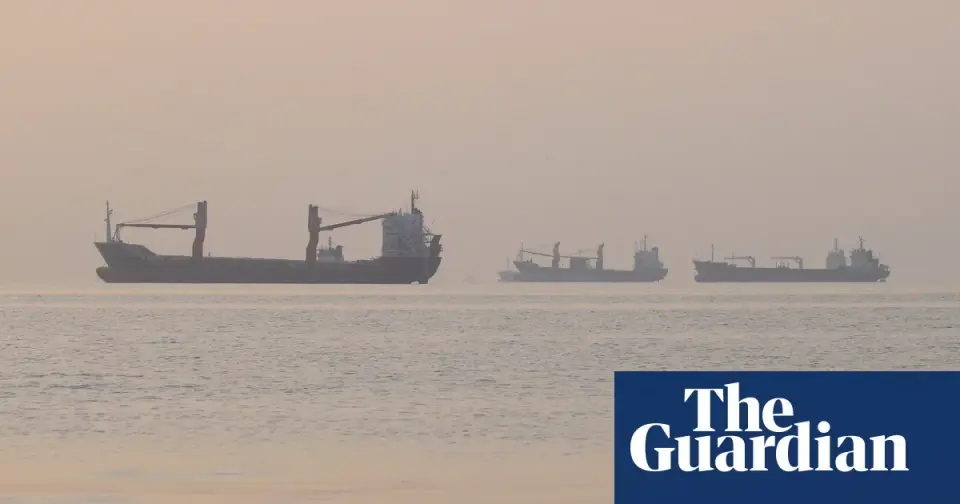
Gulf states are negotiating a multi-part deal to reopen the Strait of Hormuz within four days of sanctions relief and force Houthi withdrawal from Yemen. While Iran offers tactical flexibility, it refuses to readmit UN inspectors, prioritizing economic guarantees over nuclear concessions. European powers view inspector access as a prerequisite for a breakthrough, creating a stalemate as regional powers seek to replace US-led security with an inclusive Gulf pact.
Key points
- Iran’s deputy security council chief, Ali Bagheri, agreed to reduce the timeline for reopening the Strait of Hormuz from seven to four days after sanctions are lifted.
- Iran is engaging with Houthi leaders to facilitate their withdrawal from Yemen, a move aimed at satisfying Saudi demands for ending the regional conflict.
- British Foreign Secretary Ed Miliband urged Iran to readmit UN weapons inspectors, but Tehran rejected this, insisting on sanctions relief before nuclear discussions.
- Oman’s foreign minister, Badr Albusaidi, argued that a new non-aggression pact involving eight Gulf countries would create significant economic potential and reduce US military presence.
- Iran successfully redirected recent talks with Saudi Arabia, Turkey, and Pakistan away from nuclear issues toward a broader regional security architecture.
Background
These negotiations follow a series of failed peace attempts, including a collapsed memorandum of understanding in June 2026 and stalled talks in Oman in September. Previous conflicts, including a 12-day war in June 2025 and renewed airstrikes in February 2026, have eroded trust between Tehran and Washington. Oil prices have fluctuated significantly, recently exceeding $117 a barrel due to fears of renewed strikes and disruptions to the Strait of Hormuz, which previously carried one-fifth of global oil and LNG.
How outlets are covering it
The Guardian emphasizes the structural shift toward a Gulf-led security framework, highlighting Iran’s willingness to adjust Hormuz timelines as a sign of flexibility. Vietnam.vn focuses on Iran’s strategic calculus, noting that Tehran is leveraging economic pressure and US midterm elections to extract long-term guarantees, viewing previous agreements as unreliable. The European Council on Foreign Relations highlights the European push for UN inspector access as a non-negotiable condition, contrasting with Iran’s focus on immediate sanctions relief. While all sources agree on the urgency of de-escalation, they differ on the primary obstacle: The Guardian sees it as a lack of trust, Vietnam.vn sees it as a deliberate power play by Iran, and ECFR sees it as a divergence between European and Iranian priorities on nuclear verification.
Why it matters
A successful deal could stabilize global energy markets by ensuring the free flow of oil through the Strait of Hormuz and reduce the risk of a broader regional war involving the US, Israel, and Iran. It also signals a potential shift in Middle Eastern security architecture, moving away from US dominance toward a regional consensus that includes Iran, which could have long-term implications for US influence in the Gulf.
What to watch
Negotiations will likely continue in the coming days, with the US midterm elections on November 3 serving as a critical deadline. Iran’s refusal to readmit UN inspectors remains a major sticking point. If a deal is reached, it could lead to a new non-aggression pact and reduced US military presence in the region. If talks fail, the risk of renewed airstrikes and further disruption to the Strait of Hormuz increases, potentially driving oil prices higher.
- Gulf states working on multipart peace deal to avert renewal of US-Iran war The Guardian
- Analysis • A Netanyahu-Trump escalation could push the Gulf countries closer to Iran Haaretz
- Iran's risky move in its confrontation with the US. Vietnam.vn
- Iran Calls for United Regional Front Against Israel caspiannews.com
- Two tracks to Tehran: The new efforts to stop another US-Iran war European Council on Foreign Relations
Want the full story? Read the original reporting
Read on The Guardian