
Khamenei Fills Six Key Military Posts After US-Israeli Strikes Decapitate Iran's Command
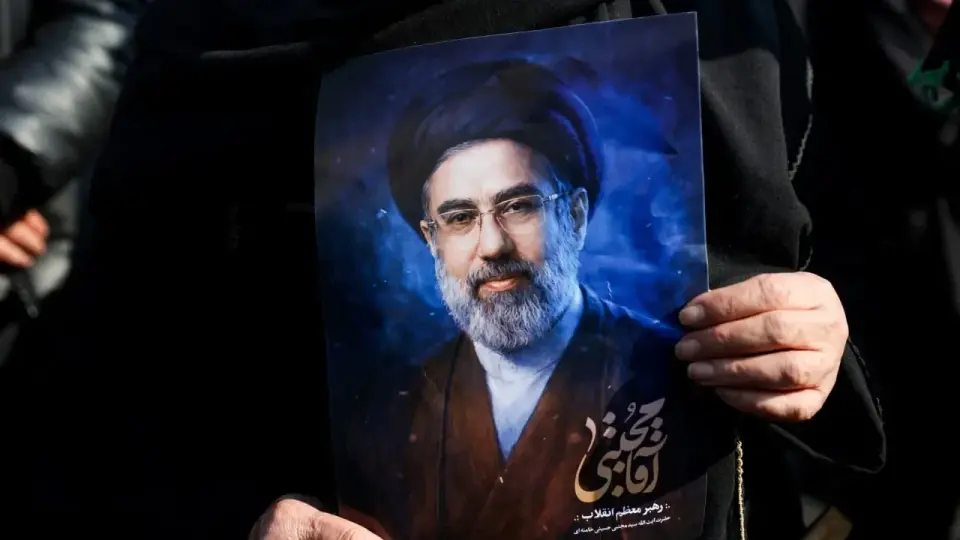
Iranian Supreme Leader Mojtaba Khamenei has formally appointed six senior military and security officials to fill leadership vacancies created by Israeli and US strikes. The appointments include Ahmad Vahidi as the new commander of the Islamic Revolutionary Guard Corps (IRGC) and Ali Abdollahi as the chief of staff of the armed forces. These moves aim to stabilize Iran's military command structure following the deaths of previous commanders during operations Roaring Lion and Epic Fury.
Key points
- Mojtaba Khamenei issued decrees on August 10, 2026, appointing six individuals to senior military and IRGC positions.
- Ahmad Vahidi was named commander-in-chief of the IRGC, while Ali Abdollahi was appointed chief of staff of the armed forces.
- The appointments follow the deaths of previous commanders in Israeli and US strikes during operations Roaring Lion and Epic Fury.
- Vahidi and Ali Ozmaei had been acting in their respective roles without official appointments prior to this decree.
- Khamenei also appointed Mohsen Rezaee and Mohammed Bagher Zolghadr to senior political advisory roles.
Background
These appointments come amid heightened tensions in the Middle East, including previous warnings from Iran regarding US-Israeli strikes on energy infrastructure and nuclear facilities. Earlier reports indicated that Iranian Foreign Minister Abbas Araghchi survived an Israeli strike, highlighting the severity of the conflict. The US had also threatened further strikes if nuclear negotiations collapsed, contributing to the volatile security environment.
How outlets are covering it
The Jerusalem Post and NDTV emphasize the strategic significance of the appointments in restoring command stability after significant losses. WANA News Agency provides detailed background on Ahmad Vahidi's extensive career, highlighting his experience as the first commander of the Quds Force and his recent role as deputy commander. Tasnim confirms the scope of the appointments but offers less detail on the individuals' backgrounds. All sources agree on the names and roles but differ in the depth of historical context provided for the appointees.
Why it matters
The formalization of these appointments signals Iran's attempt to consolidate military leadership and project strength following significant losses. The selection of experienced figures like Vahidi, who has held key positions for decades, suggests a focus on stability and continuity in Iran's security apparatus. This move may influence regional dynamics and the trajectory of the ongoing conflict with the US and Israel.
What to watch
Observers will watch for how the new commanders implement their roles and whether these appointments lead to further escalation or de-escalation in the region. The effectiveness of the new leadership in managing the IRGC and armed forces will be crucial in determining Iran's response to future threats.
- Khamenei names new Iran military, IRGC chiefs after commanders killed in Israeli-US strikes The Jerusalem Post
- Iran announces several new military appointments, including for head of military The Times of Israel
- Leader Appoints Six High-Ranking Commanders in Iran’s Armed Forces تسنیم
- Who Is Ali Abdollahi? Iran's New Military Chief Known For War Threats To US NDTV
- Ahmad Vahidi Appointed Commander-in-Chief of Iran’s IRGC WANA News Agency
Want the full story? Read the original reporting
Read on The Jerusalem Post