
Iran's 'Phantom' Supreme Leader Enables Hardliners to Sabotage US Peace Deal
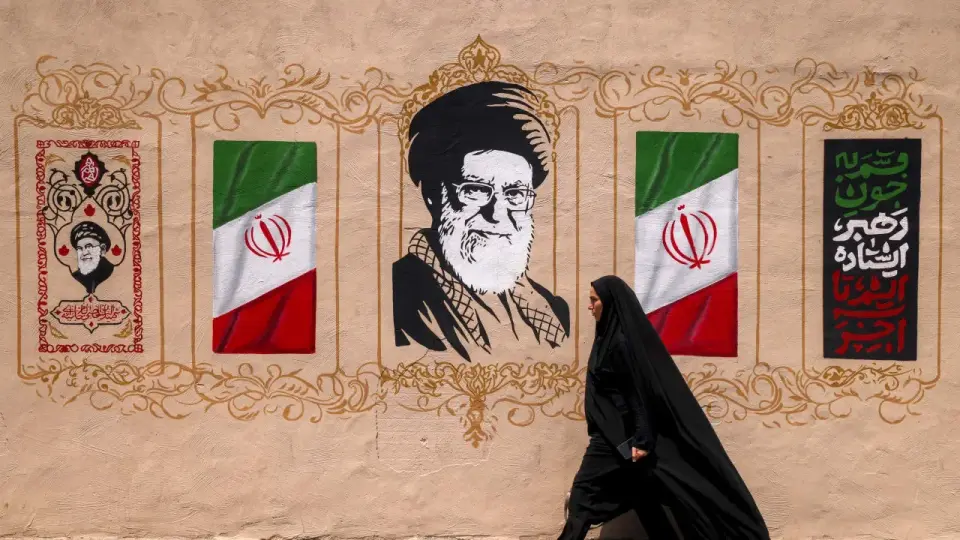
Iranian hardliners sabotaged a US peace deal by attacking ships in the Strait of Hormuz without authorization from the president or security council, exploiting the absence of Supreme Leader Mojtaba Khamenei. The New York Times reports that cleric Hossein Taeb orchestrated the strikes to derail negotiations, while President Masoud Pezeshkian and other moderates warned against escalation. The conflict has left Iran in a stalemate with the US, with hardliners now pushing for a broader war involving regional proxies.
Key points
- The New York Times reports that Iranian forces fired on three commercial ships in the Strait of Hormuz in July without the knowledge or approval of President Masoud Pezeshkian, the IRGC commander, or the Supreme National Security Council.
- The strikes were orchestrated by cleric Hossein Taeb, head of the Basij militia, who opposed the US peace deal from the beginning and sought to destroy the Memorandum of Understanding.
- Supreme Leader Mojtaba Khamenei has not been seen publicly since his appointment in March following his father's death, leading to doubts about the authenticity of his orders and statements among Iranian officials.
- President Pezeshkian and Parliament Speaker Mohammad Bagher-Ghalibaf warned that escalating the conflict would lead to economic disaster and further US airstrikes, but hardliners gained the upper hand as of late September.
- The conflict has resulted in a stalemate, with Iran and the US trading attacks, and hardliners presenting a war plan involving Houthis and Iraqi Shiite groups targeting regional oil facilities.
Background
This development follows a period of intense US-Israeli strikes on Iran, which began in late February 2026 and resulted in the death of former Supreme Leader Ali Khamenei. The subsequent power vacuum and the mysterious absence of his son, Mojtaba, have created a leadership crisis. Previous coverage noted that the Iranian diaspora is deeply divided over the war, with some supporting the strikes as a step toward regime change and others condemning the conflict as imperialistic and harmful to civilians. The current internal sabotage of the peace deal reflects the broader instability and factional struggles within the Iranian government during this period of transition and external pressure.
How outlets are covering it
The New York Times, the primary source for this story, emphasizes the internal sabotage of the peace deal by hardliners, specifically highlighting the role of Hossein Taeb and the absence of Mojtaba Khamenei. The Jerusalem Post, which republished the NYT report, frames the situation as a division within the Iranian leadership, with hardliners actively sabotaging negotiations. France 24 focuses on the influence of Hossein Taeb, questioning whether he is effectively pulling the strings in the absence of the supreme leader. The New York Post highlights the 'phantom' nature of the supreme leader and the ability of hardliners to manipulate events to keep the country at war. All sources agree on the core facts of the sabotage and the internal division, but differ in their emphasis on the specific actors and the implications for the ongoing conflict.
Why it matters
The sabotage of the US-Iran peace deal by hardliners signals a significant shift in Iran's foreign policy and internal power dynamics. It suggests that the peace process is fragile and vulnerable to internal opposition, potentially leading to a prolonged and more intense conflict. The absence of a clear supreme leader and the rise of hardliners like Taeb could result in more aggressive actions by Iran, including attacks on regional oil facilities and increased support for proxy groups. This has implications for global energy markets, regional stability, and the broader US-Iran relationship, as the US and Iran are now in a stalemate with regular attacks in the region.
What to watch
The hardliners have gained the upper hand in Iran's internal power struggle, with the country deciding to escalate the war as of late September. This could lead to increased attacks on regional oil facilities and a broader conflict involving Iran's proxies, such as the Houthis in Yemen and armed Shiite groups in Iraq. The US and Iran are likely to continue trading attacks, with the potential for further escalation and economic consequences for Iran. The future of the peace deal remains uncertain, as the hardliners have actively sabotaged the Memorandum of Understanding and are pushing for a more aggressive stance against the US.
- Iranian leadership divided as hard-liners sabotage negotiations, Khamenei still unseen - report The Jerusalem Post
- How Iran’s Hard-liners Blew Up the Peace Deal with Trump The New York Times
- Iran hardliners launched Hormuz attacks in defiance of leaders, undermining US deal — report timesofisrael.com
- Press Review - Who is Iran's 'influential spymaster' Hossein Taeb and does he pull the strings? France 24
- Hardline Iran faction launched attack to derail peace deal — while'phantom' Supreme Leader is nowhere to be found: report New York Post
Want the full story? Read the original reporting
Read on The Jerusalem Post