
Israel Seizes Strategic Ali al-Taher Ridge, Clearing Hezbollah Tunnels in Southern Lebanon
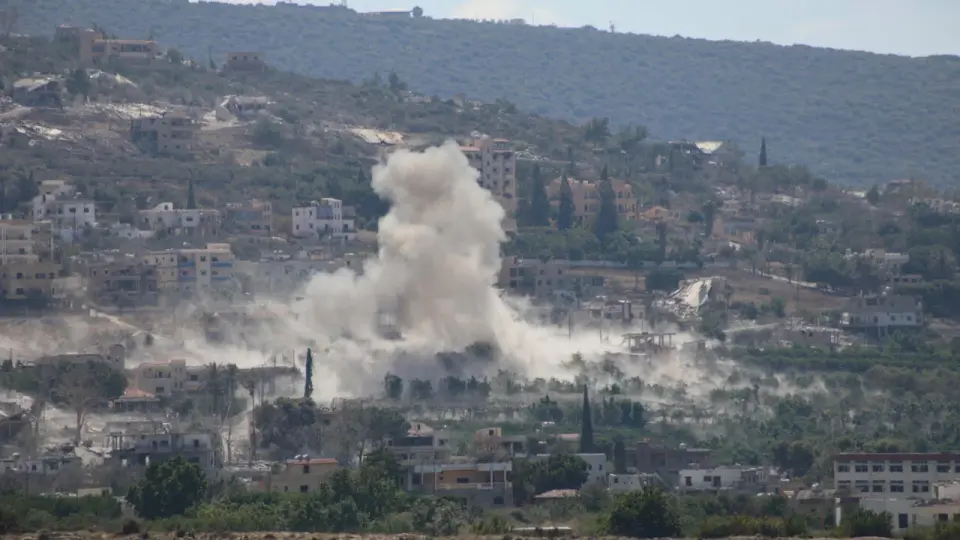
Israeli Defense Minister Israel Katz announced on September 4, 2026, that the IDF has seized the strategically vital Ali al-Taher ridge in southern Lebanon from Hezbollah. The IDF claims to have cleared a two-decade-old underground tunnel network containing command centers and weapons storage, marking a significant tactical shift despite a June ceasefire. While Israel reports the elimination of some fighters and the flight of others, Hezbollah has not confirmed the loss of the highland, which sits approximately 10 kilometers from the border. The operation follows weeks of intense strikes and precedes new warnings of Israeli fire in northern Israel, with Iran having previously threatened a forceful response to such an assault.
Key points
- Israeli Defense Minister Israel Katz confirmed the IDF has achieved operational control of the Ali al-Taher ridge, declaring the tunnel network cleared of 'terrorists.'
- The IDF described the seized infrastructure as a strategic underground network built over 20 years and funded by Iran, containing command centers and weapons storage.
- Hezbollah has not officially confirmed losing the ridge, though the group previously vowed to resist any Israeli assault on the position.
- The ridge is located near the Litani River and Nabatieh, overlooking the Iqlim al-Tuffah area, and is situated about 10 kilometers from the Israeli border.
- The seizure occurred despite a ceasefire announced in June, with Israel expanding its 'security zone' in southern Lebanon since March 2026.
Background
This development follows a series of escalations in southern Lebanon since March 2026, when Hezbollah entered the broader regional conflict. In August, Israel criticized the failure of a pilot program involving the Lebanese Army to target Hezbollah infrastructure, noting that Lebanese forces were not acting on IDF coordinates. Concurrently, civilian tensions rose as Israeli forces detained Lebanese farmers in the Hasbaya area, and reports indicated that roughly 4,300 people had been killed and 350,000 displaced in the Israeli-occupied zone since the campaign began. The current seizure of the Ali al-Taher ridge represents a significant expansion of Israel's physical footprint in the region, moving beyond aerial strikes to ground control of key highlands.
How outlets are covering it
France 24 and The Jerusalem Post both report the seizure as a confirmed military success, citing Katz's announcement that the tunnels were cleared. However, The Jerusalem Post provides additional detail from a Lebanese military officer, suggesting that while Israel seized the southern entrances, the northern entrances remain monitored by drones, and it is unclear if all fighters have fled or if booby traps remain. The New Nation highlights a diplomatic dimension, noting that Israel transferred five detainees to Lebanon via the Red Cross as a confidence-building measure, a detail omitted by the other outlets. While France 24 emphasizes the strategic importance of the ridge for Israeli movement, The Jerusalem Post focuses on the immediate aftermath, including warnings of new strikes in northern Israel and casualties in the Lebanese villages of Rumman and Zutar a-Sharqiya. All sources agree that Hezbollah has not publicly acknowledged the loss of the position, though the group had previously denied the presence of Iranian personnel there.
Why it matters
The seizure of the Ali al-Taher ridge marks a critical shift from aerial bombardment to ground occupation in the Israel-Hezbollah conflict. By controlling a highland that overlooks a wide area and connects to the Litani River, Israel has potentially secured a permanent strategic advantage and a 'security zone' that extends deeper into Lebanese territory. This move challenges the stability of the June ceasefire and tests the limits of the 2024 disarmament agreement south of the Litani. Furthermore, the operation risks triggering a broader regional escalation, as Iran had warned the United States it would respond forcefully to such an assault, potentially drawing in other actors and destabilizing the fragile peace in the Middle East.
What to watch
Analysts expect continued friction along the border as Israel consolidates its hold on the Ali al-Taher ridge. The Upper Galilee Regional Council has already warned citizens of upcoming IDF strikes in southern Lebanon, suggesting further military action is imminent. Diplomatic efforts may intensify as Israel and Lebanon navigate the release of detainees and the potential transfer of remains of Jewish figures killed in the 1980s. The international community, particularly the United States and the UN, will likely monitor the situation closely to prevent a wider escalation, especially given Iran's previous warnings of a forceful response. Hezbollah may attempt to reassert control through asymmetric attacks or by leveraging the Lebanese government's diplomatic channels to pressure Israel into a withdrawal.
- Israeli army has seized Lebanon's key Ali al-Taher ridge from Hezbollah France 24
- IDF to strike Lebanon, explosions expected to be heard in northern Israel The Jerusalem Post
- Lebanon: Post-Ali al-Taher…Israeli Political Pressure Mounts english.aawsat.com
- Israel says it has seized Lebanon's key Ali al-Taher ridge from Hezbollah Inbox.eu
- Israel has cleared Hezbollah from Lebanon The New Nation
Want the full story? Read the original reporting
Read on France 24