
Riyadh Reopens King Khalid Airport Amid Ongoing Houthi Missile Threats
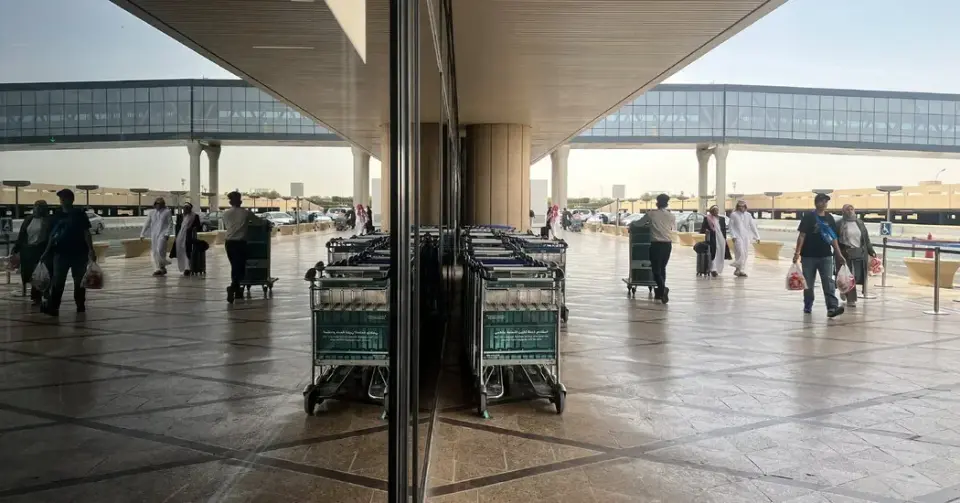
Saudi authorities reopened King Khalid International Airport in Riyadh on Sunday, ending a closure that began after deadly Houthi strikes in early October. The facility resumed limited domestic and international flights despite continued missile and drone attacks from the Iran-backed militia in Yemen. Saudi air defenses intercepted incoming projectiles early Sunday, while the Houthis vowed to continue targeting the capital. The reopening follows a period of severe disruption, including a deadly strike on a passenger terminal that killed at least 13 people and injured over 300. Meanwhile, regional tensions remain high, with Israel intensifying military operations in the West Bank ahead of a national election and Iran dismissing threats of renewed conflict.
Key points
- King Khalid International Airport in Riyadh reopened terminals 1 and 2 for domestic and international flights on Sunday, more than two weeks after deadly Houthi attacks forced its closure.
- The airport had been closed since October 10, when a Houthi cruise missile struck a passenger terminal, killing at least 13 people and injuring over 300, according to The New York Times.
- Saudi military spokesman Maj. Gen. Turki al-Malki reported that air defenses intercepted and destroyed a ballistic missile and a drone fired by the Houthis toward Riyadh early Sunday, along with 10 ballistic missiles aimed at the southern region, per AP News.
- The Houthi militia, based in northern Yemen and backed by Iran, vowed to continue striking the airport despite its reopening, maintaining pressure on Saudi infrastructure.
- The closure followed a series of deadly attacks this month, including one that hit a plane on the tarmac and killed three people, highlighting the vulnerability of Saudi airspace to Houthi projectiles.
- Regional tensions escalated further as Israel pressed ahead with a broad military operation in the occupied West Bank following an attack that killed two Israeli soldiers in Hebron, just days before a pivotal national election.
Background
The reopening of King Khalid International Airport follows a period of severe disruption caused by Houthi attacks in October 2026. Earlier this month, a deadly strike on the airport killed at least 13 people and injured over 300, marking the deadliest attack on Saudi soil in a decade. In response, Saudi Arabia launched extensive airstrikes on Houthi-controlled oil infrastructure in Yemen, escalating the regional conflict. Prior to the full reopening, Riyadh Air had relocated its hub to Al Qassim Airport, 400 kilometers from Riyadh, to maintain limited operations. The current situation reflects ongoing tensions between Saudi Arabia and the Iran-backed Houthis, as well as broader regional instability involving Israel, Gaza, and Iran.
How outlets are covering it
The New York Times emphasizes the resilience of Saudi authorities in reopening the airport despite ongoing Houthi threats, highlighting the deadly impact of the October 10 strike and the militia's vow to continue attacks. AP News provides a broader regional context, noting the simultaneous escalation of Israeli military operations in the West Bank and Gaza, as well as Iran's foreign minister dismissing threats of renewed war. While The New York Times focuses on the airport's reopening and Houthi threats, AP News frames the event within a wider Middle East crisis, including Israel's pre-election crackdown and ongoing violence in Gaza. Both sources agree on the fact of the reopening but differ in emphasis, with AP News providing additional details on Saudi air defense interceptions and regional political developments.
Why it matters
The reopening of King Khalid International Airport is significant as it marks a return to normalcy for Saudi Arabia's main international gateway, despite ongoing security threats from the Houthis. The incident underscores the vulnerability of Saudi infrastructure to Houthi attacks and the challenges of maintaining stability in the region. The continued Houthi threats and Saudi military responses highlight the persistent tensions between Saudi Arabia and the Iran-backed militia, which could have broader implications for regional security and oil infrastructure. Additionally, the simultaneous escalation of Israeli operations in the West Bank and Gaza, along with Iran's dismissive stance on war threats, indicates a complex and volatile Middle East landscape, where multiple conflicts are unfolding simultaneously.
What to watch
Saudi authorities will likely continue to monitor the situation closely, with air defenses remaining on high alert to intercept any further Houthi attacks. The Houthis may continue to target Saudi infrastructure, including the airport and oil facilities, as part of their broader strategy against Saudi Arabia. Israel is expected to maintain its military operations in the West Bank ahead of its national election, potentially leading to further displacement and conflict. Iran may continue to dismiss threats of war while maintaining its support for the Houthis, complicating regional diplomacy. The situation in Gaza may see continued violence, with Palestinian officials reporting ongoing casualties from Israeli strikes. Overall, the region remains in a state of heightened tension, with multiple conflicts and political developments unfolding simultaneously.
- Saudi Arabia Reopens Riyadh Airport After Weeks of Houthi Attacks The New York Times
- The Saudi Airline That Launched Right in the Middle of a War WSJ
- Travel Advisory: Saudi Arabia October 2026 U.S. Embassy & Consulates in Saudi Arabia (.gov)
- Saudi Arabia reopens airport as attacks by Houthi rebels persist, and other Mideast news AP News
- Saudi Arabia Suggests Riyadh Airport May Reopen on Sunday Bloomberg.com
Want the full story? Read the original reporting
Read on The New York Times